
Canada Fighter Jet
Canada is currently undergoing one of the most important military evaluations in decades: a full review of its fighter jet fleet modernization program. With the Royal Canadian Air Force relying on aging CF-18 aircraft, the country faces increasing pressure to finalize a long-term replacement strategy that ensures both national security and international military compatibility.
At the center of the debate is the previously announced plan to purchase F-35 stealth fighter jets, a project that has sparked discussion around cost, technology, industrial benefits, and geopolitical alignment. However, recent developments indicate that the government is taking a closer look at all available options before committing fully to one path.
This review is not just about aircraft—it is about Canada’s defense identity, its role within NATO and NORAD, and its ability to maintain sovereignty in an increasingly complex global security environment.
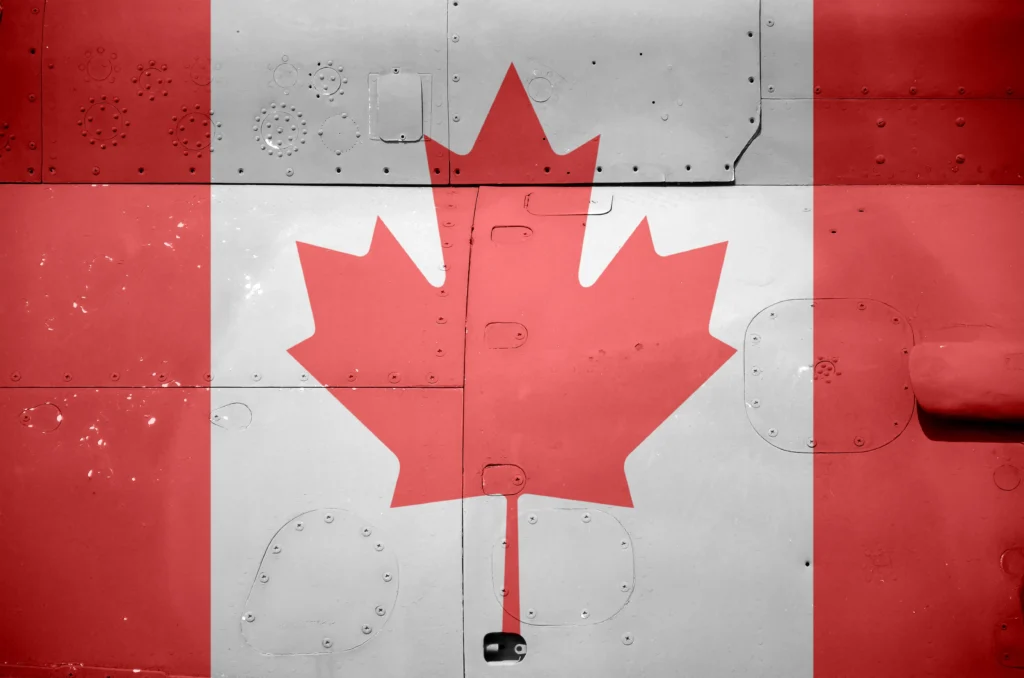
Why Canada Must Replace Its Aging CF-18 Fleet
Canada’s current fighter aircraft, the CF-18 Hornet, has been in service since the 1980s. While upgrades have extended its operational life, the aircraft is increasingly outdated compared to modern fifth-generation fighters used by other global powers.
The CF-18 fleet faces several limitations:
- Aging airframes requiring higher maintenance
- Reduced combat effectiveness compared to stealth aircraft
- Increasing difficulty integrating modern avionics systems
- Rising operational costs per flight hour
As global air defense technology evolves, older fighter jets struggle to remain effective in contested environments. Modern warfare increasingly relies on stealth capability, advanced sensor fusion, and networked battlefield awareness—all areas where the CF-18 is no longer competitive.
Canada’s geography also plays a major role in this urgency. With vast Arctic territory and long coastlines, the Royal Canadian Air Force must maintain rapid-response capabilities over extremely large distances. This makes aircraft range, speed, and reliability essential factors in fleet modernization planning.
Ultimately, replacing the CF-18 is not optional—it is a necessity driven by both time and technology.
The F-35 Fighter Jet Program and Its Strategic Importance
The F-35 Lightning II has been the centerpiece of Canada’s fighter jet replacement strategy for years. Developed as a multi-role stealth fighter, it is widely used among NATO allies and is considered one of the most advanced combat aircraft in the world.
Key advantages of the F-35 include:
- Stealth design that reduces radar detection
- Advanced sensor fusion for real-time battlefield awareness
- Strong interoperability with allied forces
- Continuous software and systems upgrades
- Proven performance in multinational operations
For Canada, one of the strongest arguments in favor of the F-35 is its compatibility with NORAD (North American Aerospace Defense Command). Since Canada and the United States jointly defend North American airspace, using a similar aircraft platform enhances coordination and response speed.
Additionally, the F-35 program offers industrial benefits. Canadian aerospace companies are involved in parts manufacturing and maintenance contracts, which supports high-tech jobs and economic growth.
However, the program also comes with challenges. Critics point to long-term costs, maintenance complexity, and dependence on U.S.-controlled supply chains. These concerns are a key reason why the government is still reviewing the full program before final commitment.
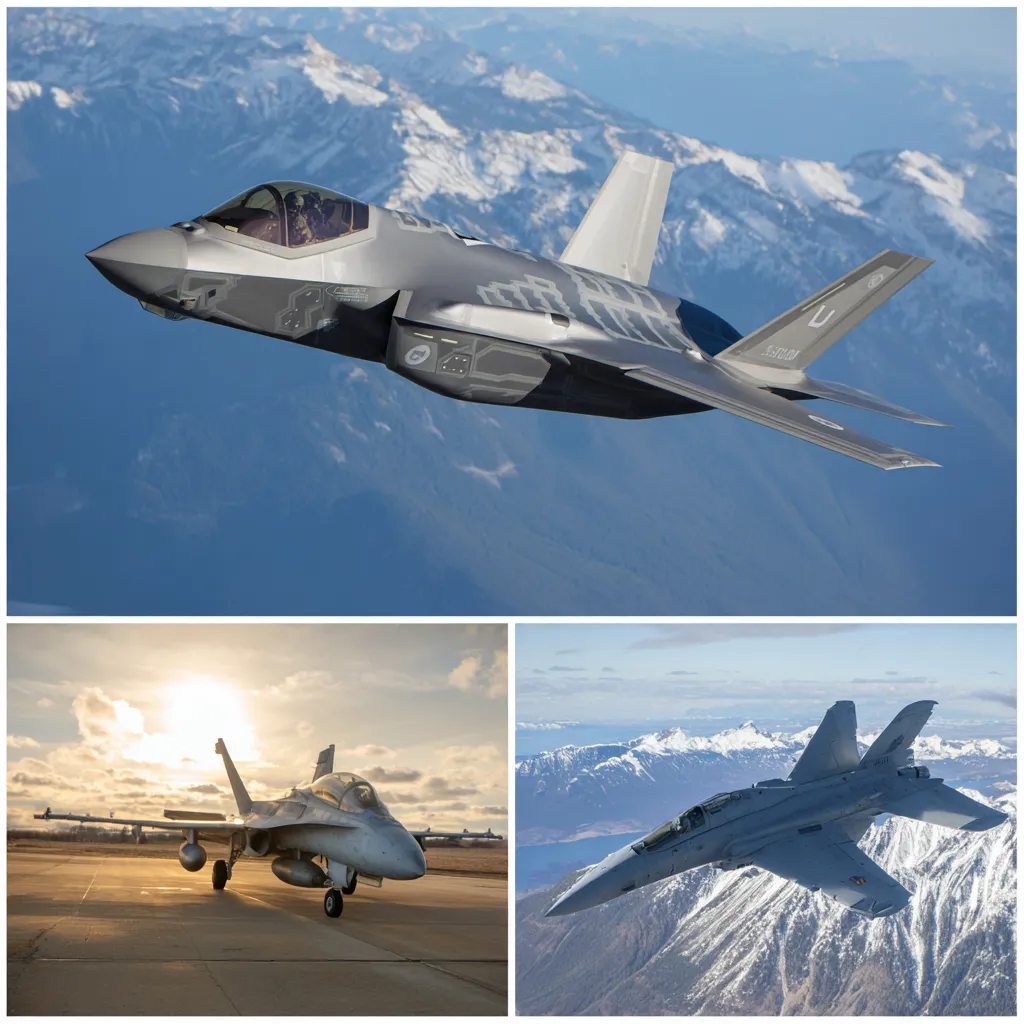
Alternative Fighter Jet Options and Why They Are Being Considered
While the F-35 remains the leading candidate, Canada has not ruled out alternative aircraft. One of the most discussed competitors is the Saab Gripen, a Swedish-built multirole fighter known for its lower operating costs and flexibility.
Alternative options are being considered for several reasons:
- Budget control and long-term affordability
- Faster delivery timelines in some cases
- Potential for greater domestic maintenance control
- Industrial partnerships with different international suppliers
Supporters of alternatives argue that Canada may benefit from a more cost-efficient fleet strategy, possibly even a mixed fleet approach where different aircraft serve different roles.
However, alternatives also come with trade-offs. While potentially cheaper, they may not match the F-35’s stealth capability or sensor integration systems. This creates a strategic debate: should Canada prioritize advanced technology or cost efficiency?
This is one of the central questions in the ongoing review.
Political, Economic, and Defense Implications of the Decision
The fighter jet fleet review is not only a military issue—it is also deeply political and economic.
From a political standpoint, defense procurement decisions often reflect international alliances. Choosing the F-35 strengthens ties with the United States and NATO partners. Choosing alternatives could signal a shift toward more diversified defense partnerships.
Economically, the decision will have long-term impacts on Canadian industry. Aerospace companies depend on defense contracts for innovation, employment, and research development. The final choice will determine billions of dollars in future contracts and job creation opportunities.
On the defense side, the stakes are even higher. The selected aircraft will define Canada’s air power for the next 30 to 40 years. It will influence:
- Arctic sovereignty operations
- Air policing missions
- NATO deployments
- Homeland defense readiness
- International crisis response capabilities
Delaying the decision also carries risk. As other countries modernize their fleets, Canada must ensure it does not fall behind in interoperability or readiness.

What Happens Next for Canada’s Fighter Jet Fleet
At this stage, the Canadian government has not made a final decision. Officials continue to evaluate costs, operational requirements, and long-term strategic benefits before moving forward.
What is clear is that the current CF-18 fleet is nearing the end of its service life, meaning a decision cannot be postponed indefinitely. Whether Canada fully commits to the F-35 program or adjusts its strategy, the outcome will shape national defense policy for decades.
In the coming period, key developments to watch include:
- Final government review outcomes
- Budget allocations for procurement
- Potential adjustments to delivery schedules
- Ongoing discussions with defense contractors and allies
One thing is certain: Canada’s next fighter jet decision will define the future of its air force, its global partnerships, and its role in modern military operations.
Table of Contents
Future Fighter Capability Project – Canada.ca
https://www.trendsfocus.com/u-s-navy-destroyer-incident-report-full-analys/