
If you’ve seen headlines suggesting that the United Arab Emirates may leave OPEC, you’re probably asking yourself the same question as millions of readers: is this real, and what does it mean for me?
Even if you don’t follow oil markets closely, this kind of news can still affect your daily life—fuel prices, inflation, travel costs, and even the global economy you’re indirectly connected to every day.
You don’t need to be an energy expert to understand what’s happening here. You just need a clear breakdown of why this story matters, what could be driving it, and how it may reshape the global oil system you depend on more than you realize.
Let’s break it down step by step.
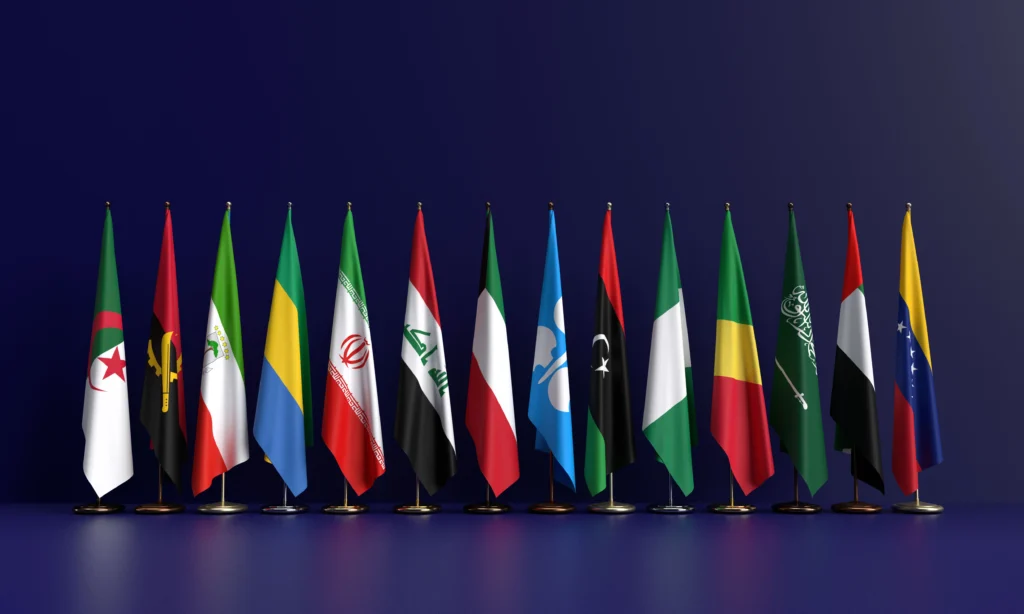
What Does “United Arab Emirates Leave OPEC” Really Mean?
Before jumping into conclusions, you need to understand what is actually being discussed.
When people talk about the United Arab Emirates leaving OPEC, they are referring to a potential shift in one of the world’s most influential oil alliances.
The Organization of the Petroleum Exporting Countries (OPEC) is a group of oil-producing nations that coordinate oil production levels to influence global prices and stabilize the market.
Why OPEC Exists in the First Place
OPEC was created to:
- Control oil supply among member countries
- Stabilize global oil prices
- Protect producer revenues
- Balance global demand and supply
When a major producer like the UAE is mentioned in connection with leaving, it signals a potential disruption in this balance.
The UAE’s Position Inside OPEC
The UAE is not a minor player. It is:
- One of the largest oil producers in the Gulf region
- A key influencer in production decisions
- A country investing heavily in both oil and renewable energy
So any shift in its role raises global attention immediately.
Why Are There Talks About the UAE Leaving OPEC?
Even though there is no confirmed exit, discussions like this usually don’t appear without reasons behind them.
If you follow energy markets closely, you’ll notice that tensions inside OPEC have been growing for years.
Production Quota Disagreements
One of the biggest sources of friction inside OPEC is production limits.
Countries often disagree on:
- How much oil each member can produce
- How revenue is shared indirectly through market pricing
- Long-term energy strategy priorities
For a high-capacity producer like the UAE, restrictions can feel limiting.
Desire for Greater Independence
You may not realize this, but oil-exporting countries are increasingly thinking beyond traditional alliances.
The UAE has been:
- Expanding global trade partnerships
- Investing in energy diversification
- Building stronger direct relationships with major buyers
Leaving OPEC—if it ever happened—could give more flexibility in pricing and production decisions.
Global Energy Transition Pressure
Another factor shaping this conversation is the global shift toward cleaner energy.
Countries like the UAE are:
- Investing in renewable energy projects
- Preparing for a post-oil economy
- Reducing long-term dependency on crude exports
This changes how they view organizations built around oil coordination.
How Would Global Oil Markets React?
If you are wondering whether this would affect you, the answer is yes—even indirectly.
Oil markets are extremely sensitive to political and structural changes.
Short-Term Market Shock
If a major producer signals independence from OPEC, markets typically react with:
- Price volatility
- Speculation-driven trading
- Temporary uncertainty among investors
Even the possibility of change can move prices.
Impact on Oil Supply Balance
OPEC works by coordinating production levels. If one major member becomes independent, you could see:
- Less coordinated output decisions
- Possible oversupply or undersupply scenarios
- Regional competition in pricing
Effect on Global Buyers
Countries that depend heavily on oil imports—like India, China, and many European nations—may face:
- Unpredictable pricing
- Contract renegotiations
- Increased energy security concerns
What This Means for the UAE Economy
From your perspective, it’s important to understand that decisions like this are not made lightly.
The UAE’s economy is deeply tied to energy exports, but it is also rapidly evolving.
Potential Advantages of Leaving OPEC
If the UAE ever moved in this direction, it could gain:
- More control over oil pricing strategy
- Flexibility in production levels
- Freedom to sign independent supply agreements
Risks Involved
At the same time, you should consider the challenges:
- Loss of coordinated price stability
- Potential political tension with OPEC allies
- Short-term market uncertainty
Diversification Strategy Still Matters
The UAE has already been investing heavily in:
- Tourism
- Finance
- Renewable energy
- Technology sectors
So oil is important—but no longer the only pillar.
Geopolitical Impact You Should Watch Closely
This is where things get more complex, but also more important for global stability.
Oil is not just an economic resource—it is a geopolitical tool.
Shift in Middle East Power Dynamics
If OPEC’s structure weakens or changes, you could see:
- Reduced influence of collective oil diplomacy
- More bilateral agreements between countries
- Increased competition among Gulf producers
Relationship With Global Powers
Major global economies will respond strategically:
- United States: Focus on energy security and pricing stability
- China: Strengthen direct oil supply deals
- Europe: Accelerate renewable energy investments
Could This Actually Happen? Realistic Perspective
At this stage, you should treat the idea of the UAE leaving OPEC as a discussion point, not a confirmed event.
Energy analysts generally point out:
- OPEC still provides pricing influence benefits
- Coordination remains valuable for stability
- Full exit would come with significant risks
So what you’re really seeing is likely:
- Strategic signaling
- Negotiation pressure
- Policy positioning rather than a final decision
Possible Future Scenarios
Let’s break down what could realistically happen if tensions continue.
Scenario 1 – Reform Inside OPEC
The most likely outcome is internal adjustment:
- Revised production rules
- More flexibility for members
- Updated coordination strategies
Scenario 2 – Partial Independence Strategy
The UAE could maintain membership while:
- Increasing independent trade deals
- Expanding non-OPEC partnerships
- Reducing reliance on group decisions
Scenario 3 – Full Exit (Low Probability)
If this ever happened, you might see:
- Major oil price instability
- Restructuring of global oil alliances
- Long-term shift in energy governance
What You Should Watch Moving Forward
If you want to stay ahead of global energy changes, pay attention to:
- OPEC meeting announcements
- UAE energy policy updates
- Global oil price fluctuations
- New trade agreements involving Gulf countries
Even small signals can indicate bigger shifts ahead.
Why This Story Matters to You
You might think this is just political or financial news, but it actually affects your everyday life.
Oil influences:
- Transportation costs
- Food prices
- Manufacturing costs
- Inflation rates
So when you see headlines like “United Arab Emirates Leave OPEC”, you’re really looking at a story that could shape your personal cost of living.
Frequently Asked Questions (FAQ)
Is the United Arab Emirates really leaving OPEC?
There is currently no confirmed official withdrawal. Most discussions are based on speculation or analysis of policy tensions.
Why is the UAE linked to OPEC exit discussions?
Because of production disagreements, market strategy shifts, and its growing focus on economic diversification.
How would UAE leaving OPEC affect oil prices?
It could create short-term volatility and long-term uncertainty in global oil pricing.
What is OPEC’s role in global oil markets?
OPEC helps coordinate oil production among member countries to stabilize global prices and supply.
Conclusion
The idea of the United Arab Emirates leaving OPEC is not just another geopolitical headline—it represents a deeper shift in how the global energy system is evolving.
Whether it becomes reality or remains strategic speculation, one thing is clear: the balance of power in global oil markets is no longer fixed.
For you, this means staying informed is no longer optional—it’s essential. Energy decisions made at this level eventually influence everything from the price you pay at the pump to the cost of goods in your daily life.
Call to Action
If you want to stay ahead of major global economic shifts like this one, keep following updates and analysis on energy markets. Share this article if you found it useful, and check back regularly for deeper breakdowns of the world’s most important financial and geopolitical changes.
Table of Contents
Trump DOJ restores firing squads for federal executions, sparking debate – trendsfocus