
Russian attacks on Ukraine are raising new questions about the Trump administration’s response after facilities associated with major American companies reportedly suffered damage from missile and drone strikes. Coca-Cola, PepsiCo, McDonald’s, and other familiar U.S. brands have been linked to incidents affecting commercial operations in the war-torn country. The reports have sparked concerns about the safety of American investments, the future of U.S.-Ukraine relations, and Washington’s approach to ending the conflict.
The controversy centers on an apparent contrast: President Donald Trump’s administration has pressed Ukraine to limit attacks on Russian energy infrastructure, while business representatives have called for a stronger public response to Russian strikes affecting American commercial interests. As the war continues, the issue presents Washington with a difficult challenge—pursuing diplomatic negotiations while addressing the security of U.S. companies operating abroad.
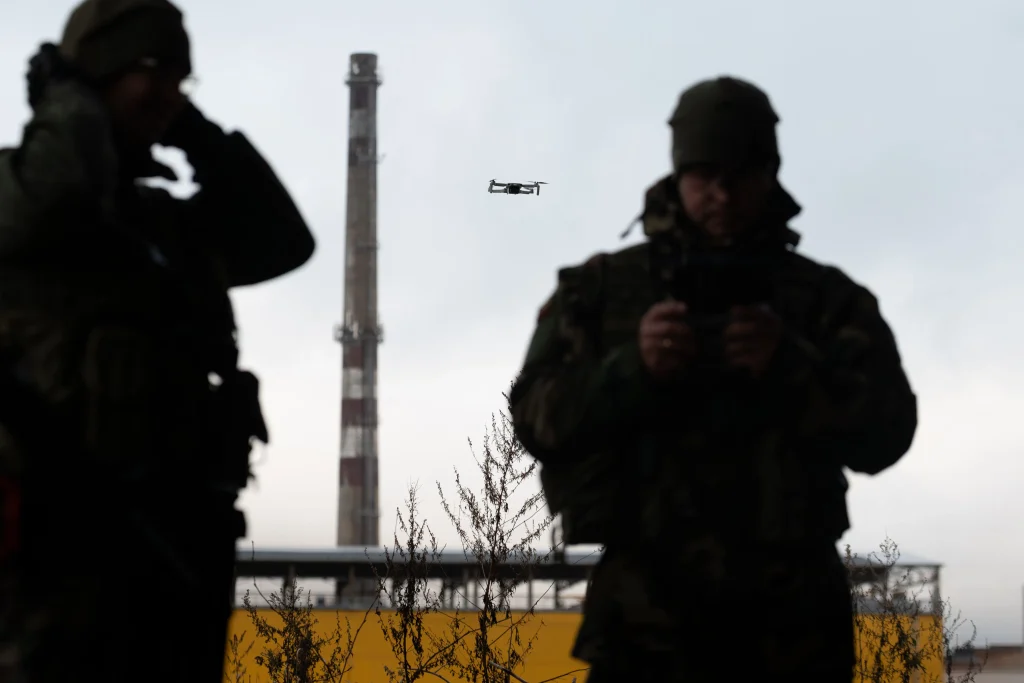
Russian Strikes Raise Concerns for American Companies in Ukraine
American businesses operating in Ukraine face growing challenges as the war continues to disrupt commercial activity and damage infrastructure. According to CNN reporting published in October 2026, facilities associated with major U.S. brands have been affected by Russian missile and drone attacks.
Among the reported incidents, a Russian drone struck a Coca-Cola facility near Kyiv in early September. Later that month, a drone damaged a warehouse operated by a logistics partner of McDonald’s in the Kyiv region. McDonald’s Ukraine reported operational disruptions, including a reduced menu, following the damage. PepsiCo also acknowledged damage to a production facility in the Mykolaiv region in late August, reporting no casualties in that incident.
These incidents highlight the vulnerability of commercial facilities in a country facing repeated attacks. Warehouses, factories, transportation networks, and energy infrastructure are essential to keeping businesses running, but they can become exposed to the consequences of military operations.
For American companies, the impact extends beyond repairing damaged buildings. Disruptions can affect employees, suppliers, deliveries, inventories, and customers. Even businesses whose facilities remain intact can face interruptions when electricity supplies fail or transportation routes become unreliable.
However, damage to a facility associated with an American company does not automatically establish that it was deliberately targeted because of its U.S. ownership. The circumstances of each incident must be assessed individually.
Nevertheless, the reported attacks have intensified concerns among business representatives about whether foreign companies can maintain safe and reliable operations in Ukraine while the conflict continues.
Trump Administration Faces Questions Over Its Response
The political controversy centers on the Trump administration’s response to attacks affecting American business interests. CNN reported that Andy Hunder, president of the American Chamber of Commerce in Ukraine, expressed concern about damage to facilities associated with U.S. companies and sought greater engagement from Washington.
According to that reporting, Hunder said the chamber had requested a meeting with senior U.S. representatives Steve Witkoff and Jared Kushner to discuss the situation but had not received a response.
The issue has attracted attention because the administration has also pressed Kyiv to stop attacks against Russian oil refineries. Washington has cited concerns about the effects of such strikes on energy markets, fuel prices, and American economic interests.
Critics argue that damage to American-linked facilities in Ukraine deserves similarly clear public attention. From their perspective, protecting American businesses should remain a foreign-policy priority even when the administration is attempting to negotiate with Moscow.
The White House has maintained that Trump wants the war to end and that his administration remains committed to diplomatic efforts between Russia and Ukraine. Furthermore, the absence of a prominent public statement does not necessarily establish that officials have taken no action privately.
Governments often use private diplomatic channels to raise concerns, particularly when negotiations are sensitive. However, without clear public information about the administration’s response to individual incidents, questions about its approach are likely to continue.
The central issue is whether Washington can maintain its diplomatic strategy while clearly communicating its concerns about threats to American commercial operations.
Economic Consequences for U.S. Businesses and Investors
The damage reported in Ukraine has implications for American companies, investors, and the broader international business community. Operating in a conflict zone involves risks that can affect profitability, employee safety, insurance costs, and long-term investment decisions.
When a factory or distribution center is damaged, businesses may have to relocate operations, find alternative suppliers, or reorganize transportation routes. These changes can increase expenses and delay deliveries. For companies serving consumers across multiple regions, even a localized disruption can affect a much larger supply chain.
The risks are particularly significant for businesses that depend on reliable electricity, refrigerated storage, transportation infrastructure, and continuous manufacturing. Damage to energy facilities can also affect commercial operations even when individual factories and warehouses are not directly hit.
Investors must consider these uncertainties when deciding whether to maintain existing operations or commit additional capital. Higher insurance costs and security expenses can make projects less attractive, while uncertainty about future attacks can delay expansion plans.
The economic effects also reach Ukrainian workers and communities. Foreign companies provide employment, purchase goods and services, and contribute to commercial activity. When operations are interrupted, local employees and suppliers may experience financial difficulties alongside the companies themselves.
For the United States, the situation raises broader questions about the protection of commercial interests overseas. American companies frequently rely on diplomatic engagement to communicate concerns about security and investment conditions. Their confidence in operating internationally can be influenced by how consistently Washington addresses risks to their personnel and assets.
At the same time, businesses must recognize that operating in an active war zone carries exceptional risks that government statements alone cannot eliminate. The practical priorities remain employee protection, contingency planning, infrastructure resilience, and realistic assessments of the security environment.
Diplomacy and Accountability: What Happens Next?
The future response from Washington could influence how American businesses assess their prospects in Ukraine. The administration faces the challenge of supporting diplomatic efforts to end the war while addressing concerns about damage to facilities associated with U.S. companies.
One possible approach is more visible diplomatic engagement. Washington could publicly raise concerns about attacks affecting commercial infrastructure, discuss specific incidents with Moscow, and work with Kyiv and European partners to reduce risks to businesses and workers.
Another approach is to emphasize private negotiations, allowing U.S. officials to address the incidents without making public statements that could complicate diplomatic discussions. Such a strategy may offer flexibility, although it can leave business representatives and the public uncertain about what steps are being taken.
These approaches are not mutually exclusive. Public messaging and private diplomacy can operate together, depending on the circumstances and the administration’s objectives.
The broader military situation will remain an important factor. Continued attacks on energy infrastructure, transportation networks, and commercial facilities could make it more difficult for companies to operate safely and for Ukraine to attract new investment. Conversely, meaningful improvements in security would help businesses restore normal operations and rebuild confidence.
Several questions remain unanswered. Will the Trump administration publicly address the reported damage to American-linked facilities? Will Washington seek assurances from Moscow about the protection of commercial infrastructure? And can diplomatic efforts produce security conditions that allow American companies to operate with greater confidence?
For now, the reported incidents underscore the risks facing U.S. businesses in Ukraine and the difficult choices confronting Washington. Protecting commercial interests, maintaining diplomatic channels, and pursuing an end to the war are connected challenges that require careful consideration.
The bottom line: Russian strikes affecting facilities associated with American companies have added another dimension to the debate over U.S. policy toward Ukraine. The coming months will help clarify how the Trump administration balances diplomatic negotiations with concerns about American investments, workers, and commercial interests abroad.
Editorial note: This article reflects reporting available as of October 14, 2026. Claims about the circumstances of individual attacks and the administration’s response should be attributed to the cited reporting and updated as further verified information becomes available.
Table of Contents
appened on the Goliath Roller Coaster at Six Flags Over Georgia? – trendsfocus