
Silicon Valley has long been associated with innovation, ambitious entrepreneurs, and technologies promising to change the world. But Hollywood is increasingly telling a different story. In 2026, some of the most talked-about films and television projects are examining the darker side of the technology industry, turning powerful executives and influential founders into controversial figures on screen.
From Facebook’s algorithm controversies to Elon Musk’s extraordinary influence and the leadership crisis at OpenAI, filmmakers are exploring questions that extend far beyond Silicon Valley. Who controls the technology people use every day? What happens when a small number of executives gain enormous influence over public conversation, artificial intelligence, and global business? And can innovation become dangerous when accountability fails to keep pace?
The trend is particularly visible this fall, with several productions examining real-world technology controversies. Aaron Sorkin’s The Social Reckoning, Alex Gibney’s documentary Musk, Luca Guadagnino’s Artificial, and Netflix’s upcoming series The Altruists are bringing some of the technology industry’s most recognizable names and controversies into the entertainment spotlight. Together, they reflect a changing cultural conversation about wealth, power, and the consequences of technological progress. <Cite refs={[“turn197356news5″,”turn197356news8″,”turn197356news6”]}/>
Silicon Valley’s Horror Shows: Hollywood Turns Big Tech Into a Thriller
The technology billionaire has become one of Hollywood’s most compelling modern characters. Instead of traditional movie villains who operate from secret headquarters, today’s unsettling figures may run social media platforms, control artificial intelligence companies, or build businesses worth billions of dollars.
The appeal is easy to understand. Technology companies influence how people communicate, consume news, shop, work, and understand the world around them. Their leaders can make decisions affecting millions of users, while the consequences of those decisions may not become clear until years later.
This creates a natural setting for suspense, investigative drama, and psychological storytelling. A dispute inside a technology company can become a battle over corporate control. An employee’s decision to reveal internal documents can develop into a story about public accountability. A leadership crisis at an AI company can raise questions about who should control technology that may reshape society.
Hollywood is not necessarily arguing that every tech entrepreneur is a villain. Rather, these productions examine what can happen when ambition, concentrated wealth, and powerful technology collide.
The shift also marks a change from earlier portrayals of Silicon Valley. Films about Steve Jobs and other entrepreneurs often focused on innovation, business rivalries, and the personalities behind famous products. The new wave of projects places greater emphasis on the possible consequences of that success.
According to recent coverage of the trend, filmmakers are responding to growing public skepticism toward major technology companies and their leaders. The result is a collection of stories that treat Silicon Valley less as an unquestioned symbol of progress and more as a source of unresolved conflicts. <Cite refs={[“turn197356news5″,”turn197356search0”]}/>
The Social Reckoning Examines Facebook’s Power and Whistleblowers
One of the central projects in Hollywood’s new wave of technology dramas is The Social Reckoning, Aaron Sorkin’s follow-up to The Social Network.
Rather than simply revisiting the creation of Facebook, the new film focuses on whistleblower Frances Haugen and the controversy surrounding the platform’s internal practices. Mikey Madison plays Haugen, while Jeremy Allen White portrays Wall Street Journal reporter Jeff Horwitz. Jeremy Strong appears as Mark Zuckerberg. <Cite refs={[“turn197356search1″,”turn197356search3”]}/>
The story draws on the real-world controversy surrounding the Facebook Files, a series of reports based on internal company documents that brought renewed attention to the potential effects of Facebook’s systems on users and society.
Haugen, a former Facebook employee, became a prominent public figure after providing internal documents to journalists and speaking about her concerns. The disclosures raised questions about how the company assessed risks associated with its products, including issues involving misinformation, political polarization, and the mental health of younger users.
The film’s emphasis on the whistleblower offers a different perspective from the original The Social Network. Instead of concentrating primarily on the ambitions and rivalries involved in building a major social network, it examines the people who challenge a powerful company from the inside.
That approach is especially relevant in an era when social media platforms are central to public debate. Their algorithms influence which content people encounter, while moderation and recommendation decisions can have consequences for public trust and online safety.
The movie is a dramatization, not a substitute for investigative reporting or a court record. Viewers should distinguish between its narrative choices and independently documented events. Nevertheless, its subject reflects a continuing debate over the responsibilities of companies whose platforms shape everyday communication.
By bringing these questions to the screen, The Social Reckoning illustrates why technology companies have become such attractive subjects for contemporary dramas. The central conflict is no longer simply about who built a successful business. It is also about what happens when the business becomes powerful enough to influence society on a massive scale. <Cite refs={[“turn197356search1″,”turn197356search3”]}/>
Musk and Artificial Bring Technology’s Most Powerful Figures Into Focus
Two other major projects broaden the conversation beyond social media.
Alex Gibney’s documentary Musk examines Elon Musk, the entrepreneur associated with Tesla, SpaceX, and other influential ventures. Gibney is known for documentaries exploring corporate conduct and powerful institutions, making Musk a natural subject for an examination of ambition, influence, and public controversy.
Musk’s public profile extends well beyond the technology sector. His companies operate in electric vehicles, aerospace, satellite communications, and artificial intelligence, while his political activities and public statements have made him a major figure in wider American debates.
That combination creates an unusually complicated documentary subject. Supporters point to technological achievements and ambitious projects, while critics raise concerns about his influence, management decisions, and public conduct. A documentary examining such a figure can explore the tension between genuine innovation and the responsibilities that accompany enormous power. <Cite refs={[“turn197356search2″,”turn197356search4”]}/>
Meanwhile, Artificial, directed by Luca Guadagnino, dramatizes events surrounding OpenAI and Sam Altman. Andrew Garfield plays Altman, with Yura Borisov portraying Ilya Sutskever.
The story draws attention to the leadership crisis at OpenAI in November 2023, when Altman was removed as CEO before returning to the position days later. The episode exposed disagreements about governance, leadership, and the challenges of managing an organization developing increasingly influential artificial intelligence technology. <Cite refs={[“turn197356search4″,”turn197356search2”]}/>
The significance of Artificial goes beyond corporate drama. AI has become a major economic and political issue, with companies racing to develop more capable systems while governments and researchers debate safety, accountability, and appropriate oversight.
The film’s subject raises an important question: how should an organization balance commercial pressure, rapid development, and concerns about the broader effects of its technology?
Although a dramatized film cannot resolve that debate, it can make complicated institutional conflicts more accessible to a general audience. It also demonstrates how internal decisions at technology companies can become matters of public interest when the products involved have potentially far-reaching consequences.
Together, Musk and Artificial show that Hollywood’s scrutiny of Silicon Valley is no longer limited to social media. It increasingly includes artificial intelligence, corporate governance, political influence, and the power accumulated by a small group of high-profile technology leaders.
The Altruists Brings the FTX Collapse to Television
The darker side of technology and finance is also at the center of The Altruists, an upcoming Netflix series about the rise and fall of cryptocurrency exchange FTX and its disgraced founder, Sam Bankman-Fried.
The series also examines Caroline Ellison, the former head of Alameda Research, the trading firm closely associated with FTX. Its story draws on one of the most consequential collapses in the cryptocurrency industry, which raised serious questions about financial controls, corporate responsibility, and the risks faced by customers. <Cite refs={[“turn197356news6″,”turn197356search2”]}/>
The FTX scandal differs from controversies involving social media algorithms or AI governance. Its central issues concern financial conduct, the handling of customer funds, and the breakdown of trust in a company that had presented itself as a major player in digital finance.
Yet the story fits the broader Hollywood trend. It follows people who gained extraordinary influence in a fast-moving industry and examines the consequences when confidence in their leadership collapses.
The production has already attracted criticism from former FTX employees. In reporting published on October 11, 2026, Business Insider described objections to the series’ portrayal of the company’s workplace and its depiction of people connected to the collapse. Former insiders argued that aspects of the dramatization were inaccurate or sensationalized. Those objections underline the importance of separating entertainment from the experiences and accounts of real people. <Cite refs={[“turn197356news6”]}/>
The series is scheduled to premiere on November 19, 2026, according to the latest report. Its release will bring renewed attention to a financial scandal that had consequences for customers, investors, and confidence in the cryptocurrency sector. <Cite refs={[“turn197356news6”]}/>
For viewers, the attraction is not simply the prospect of watching wealthy executives lose their status. It is the opportunity to understand how a company that attracted enormous attention and investment could unravel, and why the warning signs were not enough to prevent the damage.
The story also raises a wider question about the relationship between personal reputation and institutional accountability. A charismatic founder can become the public face of a business, but a company’s real strength depends on transparent practices, effective oversight, and systems that protect customers.
By bringing the FTX collapse to television, The Altruists joins a growing collection of productions examining the distance between the promises made by influential entrepreneurs and the consequences of their decisions.
Why Hollywood’s Tech-Billionaire Villains Matter Now
The growing interest in Silicon Valley’s darker stories reflects more than a temporary entertainment trend. Technology has become so deeply embedded in everyday life that the decisions of major companies increasingly affect issues once associated mainly with government, traditional media, and financial institutions.
Artificial intelligence is one example. AI tools are changing workplaces, creative industries, education, and online information. Their potential benefits are substantial, but concerns remain about reliability, privacy, misinformation, job disruption, and the concentration of control among a relatively small number of companies.
Social media presents another challenge. Platforms connect communities and make information easier to share, but questions about content recommendation, online harms, and corporate accountability continue to generate debate.
Financial technology has also shown how quickly excitement about innovation can turn into uncertainty when business practices and oversight fail to meet expectations.
Hollywood can turn these complex issues into personal stories. A whistleblower makes an institutional problem understandable through individual choices. A documentary about a powerful entrepreneur can explore the gap between public image and private conduct. A drama about a corporate leadership crisis can show how competing priorities affect decisions about technology.
However, these productions should not be treated as definitive verdicts on every company or executive they portray. Films and television series use editing, dramatic structure, dialogue, and characterization to tell compelling stories. Real events may be simplified, disputed, or interpreted differently by the people involved.
That is why audiences should approach them with curiosity while checking important factual claims against reliable reporting and primary documents.
The trend also presents an interesting contradiction. Hollywood is increasingly criticizing technology billionaires while the entertainment industry itself relies on major technology companies for streaming, distribution, advertising, and digital tools. That relationship can complicate how boldly studios challenge the people and businesses they depict. <Cite refs={[“turn197356search4″,”turn197356search0”]}/>
Ultimately, Silicon Valley’s new screen villains are compelling because their stories touch on questions that affect ordinary Americans. Who is accountable when technology causes harm? How much power should a private company have over public life? And how can society benefit from innovation without ignoring its risks?
Those questions will remain relevant long after the current wave of films and series leaves theaters and streaming platforms.
Conclusion
Hollywood’s latest Silicon Valley stories reveal a clear shift in how technology power is portrayed. The Social Reckoning examines Facebook and whistleblower Frances Haugen, Musk turns its attention to one of the world’s most influential entrepreneurs, Artificial explores a pivotal leadership crisis at OpenAI, and The Altruists revisits the collapse of FTX.
These projects do not tell exactly the same story, and their portrayals should be evaluated individually. But they share an interest in the consequences of concentrated wealth, corporate ambition, and technological influence.
Silicon Valley once served as a symbol of a future built by visionary entrepreneurs. Today, Hollywood is increasingly asking what happens when the people building that future become powerful enough to escape meaningful scrutiny.
That is what makes these stories more than entertainment. They are part of a broader cultural debate about innovation, accountability, and who gets to shape the digital world.
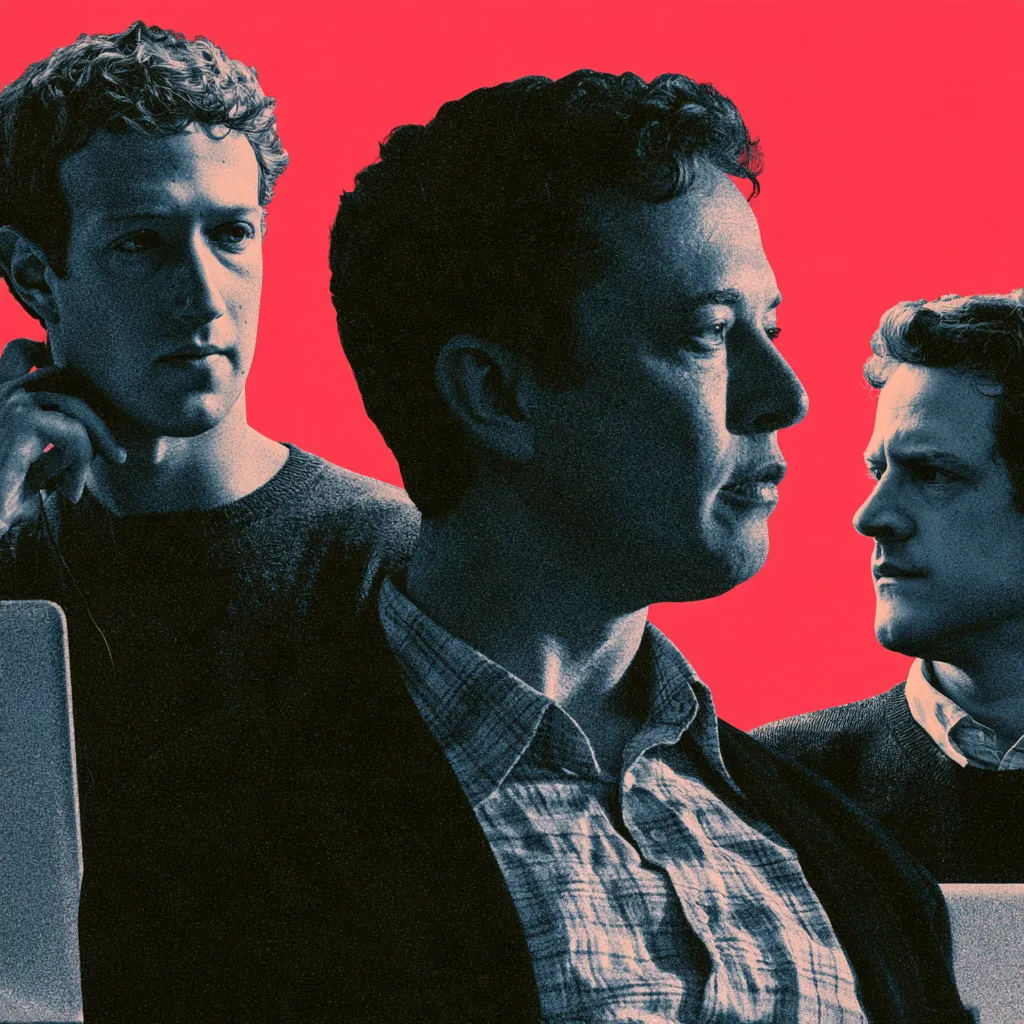
Table of Contents
Hollywood’s hottest villain: Tech billionaires
Carlie Irsay-Gordon Faces New Scrutiny Over Colts Sideline Role – trendsfocus