
A new political controversy has emerged in Washington after reports revealed that President Donald Trump and some of his advisers allegedly discussed the possibility of suspending habeas corpus, one of the most fundamental protections in the United States Constitution. The revelation has sparked intense debate among legal scholars, politicians, civil rights advocates, and ordinary Americans concerned about the balance of power between the executive branch and the judiciary.
The reports come at a time when tensions between the White House and federal courts have been growing. Several judicial rulings have blocked or delayed key administration initiatives, particularly on immigration and national security issues. According to accounts from officials familiar with the discussions, frustration with these legal obstacles led some within the administration to explore extraordinary constitutional options.
Although no such suspension was ultimately enacted, the very idea has generated significant controversy. Supporters argue that presidents must have sufficient authority to address national emergencies and enforce federal laws effectively. Critics, however, warn that limiting constitutional protections could set a dangerous precedent and undermine democratic institutions.
This article examines what habeas corpus is, why it matters, why the issue has become politically explosive, and what the broader implications could be for the future of American governance.

What Is Habeas Corpus and Why Is It Important?
Habeas corpus is one of the oldest legal protections in the democratic world. The term comes from Latin and roughly translates to “you shall have the body.” In practical terms, it gives individuals the right to challenge their detention before a court.
If a person is arrested or detained by the government, habeas corpus allows a judge to review whether that detention is lawful. This safeguard helps prevent arbitrary imprisonment and ensures that governments cannot simply detain people indefinitely without legal justification.
The principle dates back centuries and became a cornerstone of English common law before being incorporated into the American constitutional system. The U.S. Constitution recognizes habeas corpus as such a fundamental right that it can only be suspended under extremely limited circumstances, such as rebellion or invasion when public safety requires it.
Historically, suspensions of habeas corpus in the United States have been rare and controversial. During the Civil War, President Abraham Lincoln suspended the right in certain circumstances, sparking constitutional disputes that continue to be studied by legal scholars today.
Because of its role in protecting individual liberty, many constitutional experts consider habeas corpus one of the most important safeguards against government overreach.
Why Reports of a Possible Suspension Sparked Alarm
The reports that members of the Trump administration considered suspending habeas corpus immediately attracted national attention because of the seriousness of such a move. Even though discussions within governments often explore legal possibilities that are never implemented, the subject matter itself raised concerns.
Critics argue that suspending habeas corpus would dramatically expand executive authority by reducing judicial oversight of government detention practices. Civil liberties organizations contend that courts serve as a crucial check on executive power and that weakening this check could threaten constitutional freedoms.
The controversy has been amplified by the broader political environment. Over the past several years, disputes between the executive branch and federal courts have become increasingly common. Judges have blocked executive actions related to immigration, regulatory policy, and other issues, leading some political leaders to accuse courts of interfering with the will of elected officials.
For opponents of the administration, the reports reinforce concerns about growing presidential power. For supporters, the discussions may be viewed as evidence of officials seeking legal solutions to policy challenges they believed were hindering government operations.
Regardless of political affiliation, many legal experts agree that any serious attempt to suspend habeas corpus would almost certainly trigger immediate court challenges and a constitutional confrontation of historic proportions.
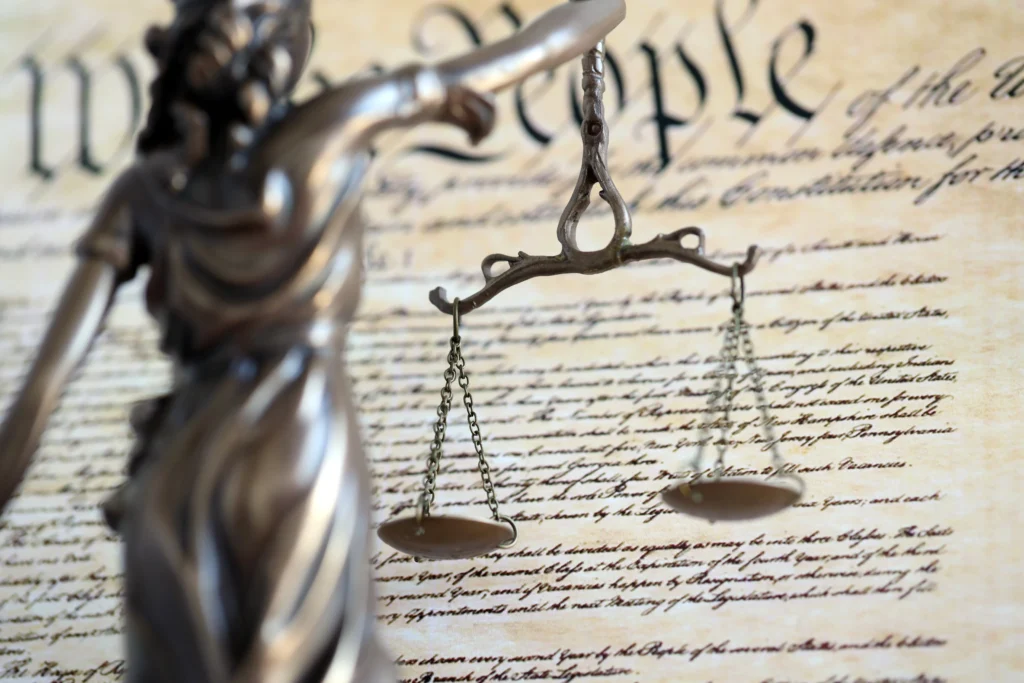
The Ongoing Battle Between the White House and the Courts
The controversy cannot be understood without examining the larger relationship between the executive branch and the judiciary. Throughout American history, presidents have occasionally clashed with courts over the limits of executive authority.
The judiciary’s role is to interpret laws and determine whether government actions comply with the Constitution. When courts block presidential initiatives, administrations often argue that judges are preventing elected leaders from carrying out policies endorsed by voters.
This tension has become particularly visible in recent years. Immigration enforcement, border security measures, and national security policies have repeatedly become the subject of legal battles. Federal judges have issued injunctions, delayed implementation of executive actions, and required additional legal reviews before policies could proceed.
Supporters of judicial intervention argue that courts exist precisely to ensure that government actions remain constitutional. They contend that checks and balances are essential to preventing abuses of power.
On the other hand, some administration officials and supporters believe that courts sometimes exceed their proper role by effectively making policy decisions through judicial rulings. This perspective has fueled frustration among those who view legal challenges as obstacles to enforcing laws and protecting national interests.
The debate reflects a broader question that has shaped American politics for generations: How much power should any one branch of government possess?
What the Controversy Means for the Future of American Democracy
While the reported discussions about suspending habeas corpus may never result in actual policy, they have reignited important conversations about constitutional rights and democratic institutions.
One key lesson from the controversy is that constitutional protections often become most important during periods of political tension. Rights such as habeas corpus are designed not only for times of stability but also for moments when governments face pressure to act quickly or aggressively.
The episode also highlights the enduring significance of checks and balances. The American system was intentionally designed so that no single branch of government could exercise unlimited authority. The executive, legislative, and judicial branches each possess powers that can constrain the others.
Political analysts believe the controversy may influence future debates about immigration enforcement, executive authority, and judicial review. It could also become a significant issue in election campaigns, where candidates may present competing visions of how much power presidents should have during periods of crisis.
For citizens, the discussion serves as a reminder that constitutional debates are not merely academic exercises. They affect real questions about freedom, government accountability, and the rights individuals possess when interacting with state authority.
As legal scholars, lawmakers, and voters continue to debate the implications of the reports, one thing remains clear: the conversation surrounding habeas corpus and executive power is likely to remain at the center of American political discourse for years to come.
Conclusion
The reports that President Donald Trump and members of his administration considered suspending habeas corpus have generated one of the most significant constitutional debates of the year. Although the proposal was never implemented, its mere consideration has prompted renewed scrutiny of executive power, judicial oversight, and the protections guaranteed by the Constitution.
At its core, the controversy is about more than a single legal doctrine. It reflects an ongoing struggle over the balance between security, governance, and individual liberty. Whether viewed as a necessary discussion of executive authority or a troubling challenge to constitutional norms, the episode underscores the importance of democratic institutions and the legal safeguards that protect citizens from potential government overreach.
As America continues to grapple with questions about presidential power and constitutional rights, the debate surrounding habeas corpus is likely to remain a powerful symbol of the nation’s commitment to the rule of law.
Table of Contents
Trump’s clash with judges escalates to ‘all-out war’
Donald Trump at 80: Why Age Takes a Back Seat to Power and Influence – trendsfocus