
Donald Trump at 80
Donald Trump has reached another major milestone, celebrating his 80th birthday while serving as President of the United States. For many public figures, turning 80 would naturally spark conversations about retirement, legacy, and the effects of aging. Yet reports from individuals familiar with Trump’s thinking suggest that the president is not particularly interested in dwelling on his age. Instead, he remains focused on the power, influence, and political authority that continue to define his public life.
The discussion surrounding Trump’s 80th birthday arrives at a time when age has become one of the most debated topics in American politics. Voters, political analysts, and commentators frequently examine whether older leaders can effectively handle the demands of high office. At the same time, supporters argue that experience, resilience, and leadership skills often matter more than chronological age.
As Trump enters his ninth decade, the attention surrounding his birthday offers an opportunity to explore not only his approach to aging but also the broader questions about leadership, political influence, and the role age plays in modern government.
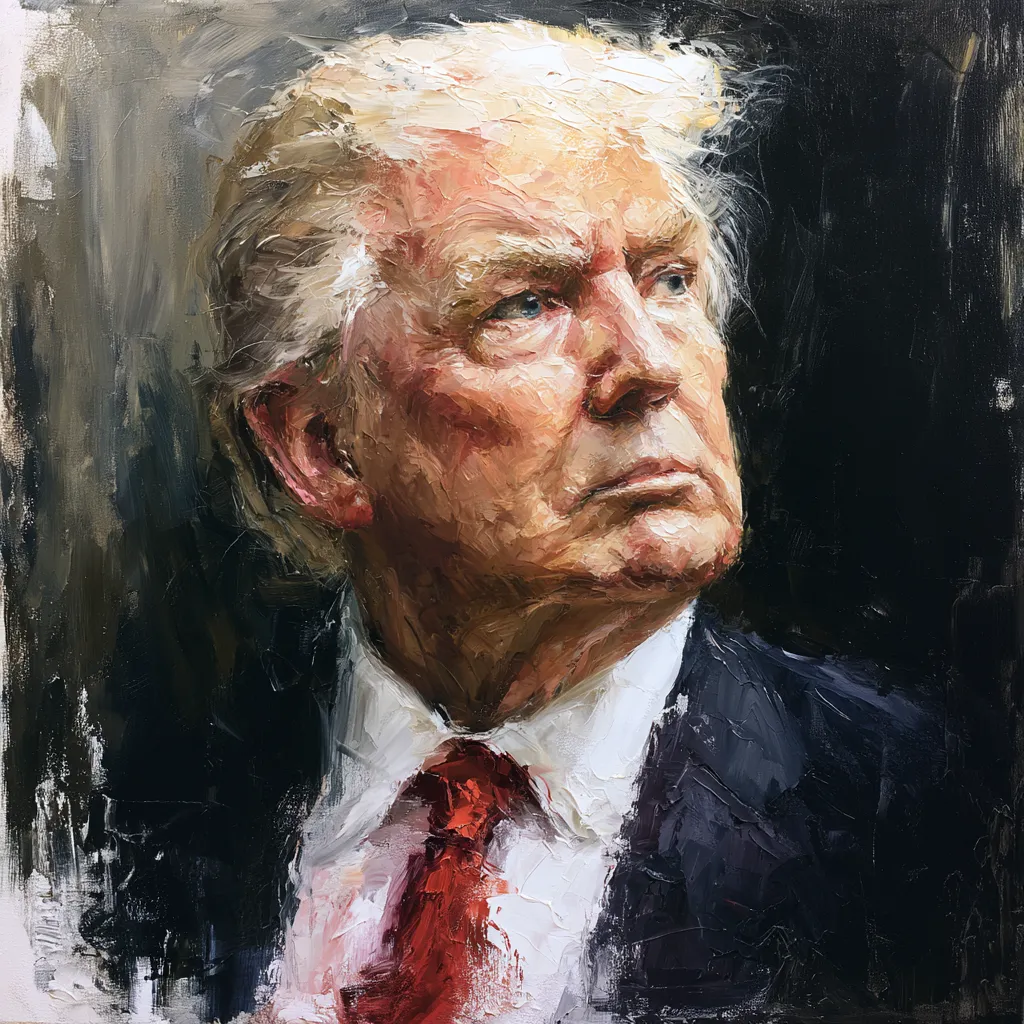
Donald Trump Turns 80 While Remaining Focused on Political Power
Donald Trump’s political career has often defied conventional expectations. From his unexpected rise to the presidency to his continued dominance within Republican politics, Trump has consistently demonstrated an ability to remain at the center of public attention.
Reports surrounding his 80th birthday indicate that he has little interest in reflecting on the passage of time. Instead, those familiar with his mindset suggest that he remains focused on governing, advancing policy objectives, and maintaining his influence over political discussions.
For Trump, age appears secondary to the opportunities and challenges that come with leadership. His public appearances, speeches, and political engagements continue to project confidence and determination, characteristics that have become central to his political identity.
This perspective reflects a broader pattern that has defined much of Trump’s public life. Throughout his business and political careers, he has often emphasized success, achievement, and competition rather than personal limitations. Turning 80 may represent a significant milestone, but according to reports, it has not substantially changed his priorities.
The Growing Debate Over Age in American Politics
Trump’s 80th birthday inevitably reignites a larger national conversation about age and political leadership. In recent years, Americans have become increasingly focused on the ages of elected officials, particularly those holding the nation’s highest offices.
The presidency is one of the most demanding jobs in the world. It requires constant decision-making, extensive travel, national security briefings, public appearances, and the ability to respond to crises at any hour. As a result, many voters consider age an important factor when evaluating candidates.
Supporters of younger political leaders often argue that fresh perspectives and greater physical stamina are beneficial in addressing modern challenges. They believe that political institutions should better reflect the demographics of the broader population.
On the other hand, advocates for older leaders point to the value of experience. Decades spent in business, government, diplomacy, or public service can provide insights that younger leaders may not yet possess. They argue that wisdom, judgment, and strategic thinking often improve with age.
Trump’s milestone birthday places him squarely within this debate. His supporters frequently emphasize his energy and willingness to maintain an active schedule, while critics continue to question whether age should play a greater role in evaluating political leadership.
The discussion is unlikely to disappear anytime soon, especially as voters continue to weigh the advantages and disadvantages associated with older political figures.
How Trump Has Built and Maintained Political Influence
One reason reports suggest Trump remains focused on power rather than age is the extraordinary level of influence he continues to hold within American politics.
Few modern political figures have shaped their parties as dramatically as Trump has shaped the Republican Party. Since entering politics, he has transformed political messaging, campaign strategies, and voter engagement. His ability to command media attention and energize supporters remains one of his most significant strengths.
Political influence extends beyond holding office. It involves the ability to shape conversations, define policy priorities, and influence public opinion. Trump has repeatedly demonstrated this capability throughout his political career.
Even opponents acknowledge that Trump remains one of the most influential political figures in the country. His statements frequently dominate news cycles, while his policy positions continue to generate widespread debate.
This influence may help explain why discussions about aging appear less significant from Trump’s perspective. For a leader accustomed to operating at the center of national attention, maintaining political relevance and authority may naturally take precedence over personal milestones.
As long as Trump continues to shape public discourse and political decision-making, age may remain a secondary consideration in his own assessment of his role.
Public Perception and the Challenge of Political Longevity
Political longevity presents unique opportunities and challenges. Leaders who remain active for extended periods often benefit from strong name recognition and established support networks. However, they also face increased scrutiny regarding their age, health, and ability to continue serving effectively.
Trump’s public image has long been built around strength, confidence, and competitiveness. These qualities have become central to how many supporters view him. Consequently, discussions about aging often intersect with broader questions about leadership and public perception.
Throughout his career, Trump has generally resisted narratives that portray him as slowing down or becoming less active. Instead, he frequently emphasizes his accomplishments and future goals. This approach aligns with reports suggesting that he prefers to focus on power and influence rather than on the significance of turning 80.
The challenge for any long-serving public figure is balancing experience with the expectations of a changing electorate. Younger voters may prioritize different issues than previous generations, while technological and social changes continue to reshape political communication.
Despite these challenges, Trump has demonstrated a remarkable ability to remain relevant in an increasingly competitive media environment. His continued visibility ensures that conversations about his leadership, policies, and future plans remain prominent regardless of his age.
What Trump’s 80th Birthday Means for His Legacy
Birthdays often encourage reflection, especially milestone birthdays. For political leaders, they can also prompt discussions about legacy.
Donald Trump’s legacy remains one of the most debated subjects in modern American politics. Supporters credit him with reshaping the Republican Party, influencing trade policies, prioritizing border security, and challenging traditional political norms. Critics argue that his leadership style and policy decisions have been deeply divisive.
Regardless of political perspective, few observers dispute Trump’s impact on American political history. His influence extends beyond elections and policies to broader questions about media, populism, political communication, and voter engagement.
Turning 80 offers another moment to evaluate that influence. Yet reports suggest Trump himself remains more interested in the present and future than in retrospective analysis. Rather than focusing on the symbolic significance of reaching 80, he appears committed to maintaining his political authority and advancing his agenda.
This mindset may ultimately become part of his legacy as well. Throughout his public life, Trump has consistently projected an image of ambition and determination. Even as age-related discussions intensify, he continues to emphasize action over reflection.
Whether supporters view this as evidence of strength or critics see it differently, Trump’s approach reflects a broader philosophy that has defined much of his career: maintaining influence, pursuing goals, and staying at the center of major political conversations.
Conclusion
Donald Trump’s 80th birthday marks a significant personal milestone, but reports suggest that age is not occupying much of his attention. Instead, the president appears focused on the responsibilities of leadership, the exercise of political influence, and the opportunities that lie ahead.
His milestone birthday has renewed national discussions about age and political leadership, highlighting differing views on the role age should play in evaluating elected officials. While critics and supporters continue to debate the issue, Trump’s own focus appears firmly fixed on power, policy, and political relevance.
As he enters his ninth decade, one thing remains clear: Donald Trump continues to be one of the most influential and closely watched figures in American politics. Whether admired or criticized, his impact on the political landscape remains substantial, ensuring that discussions about his leadership—and not simply his age—will continue for years to come
Table of Contents
Analysis-Trump Setbacks Fuel Lame-Duck Talk as He Turns 80
Senate Democrats Block Bipartisan Bills in US Crisis – trendsfocus