
In today’s hyper-connected world, cybersecurity threats are no longer limited to government agencies or large corporations. Increasingly, everyday devices in our homes—such as smart TVs, security cameras, and especially internet routers—are becoming prime targets for cyberattacks. Recent reports have raised serious concerns that Russian-linked hacking groups may have successfully infiltrated thousands of home routers across the United States.
This alarming development highlights a growing trend in cyber warfare: targeting vulnerable consumer devices as entry points into larger networks. While investigations are still ongoing, cybersecurity experts agree on one thing—home users are far more exposed than they realize. Understanding how these attacks work, who is at risk, and how to protect yourself is now essential for anyone using the internet.
In this article, we will break down what is happening, how these attacks may be carried out, what risks they pose, and most importantly, how you can protect your home network from becoming a target.
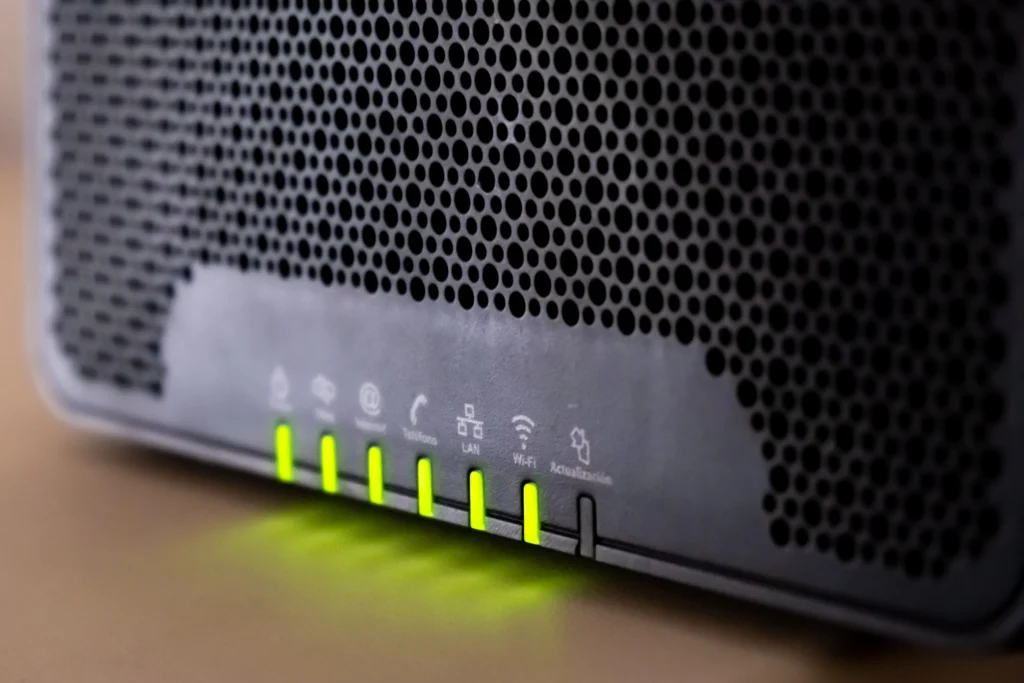
What Is Happening With Home Routers?
Home routers act as the gateway between your devices and the internet. Every phone, laptop, smart device, or gaming console in your home typically connects through a router. Because of this central role, routers are highly valuable targets for cybercriminals.
According to cybersecurity researchers, certain hacking groups—reportedly linked to Russian cyber operations—have been exploiting vulnerabilities in consumer routers. These vulnerabilities often include outdated firmware, weak security settings, and unchanged default passwords that many users never update after installation.
Once a router is compromised, hackers may gain access to:
- Internet traffic passing through the network
- Connected devices on the same Wi-Fi network
- DNS settings, allowing redirection to malicious websites
- Remote access points for future attacks
What makes this particularly concerning is that many users are completely unaware their router has been compromised. Unlike a computer virus that may show clear symptoms, router-level attacks can remain hidden for long periods.
Experts describe this type of attack as part of a broader strategy known as “living off the land,” where attackers use legitimate network infrastructure to avoid detection.
How Hackers Exploit Home Network Devices
The methods used to compromise home routers are often simple but extremely effective. Hackers do not always need advanced tools; instead, they rely on common security mistakes made by users and manufacturers.
One of the most frequent attack methods is exploiting outdated firmware. Router manufacturers regularly release security updates to fix vulnerabilities, but many users never install them. This leaves devices exposed to known exploits that hackers can easily scan for and attack.
Another common method is credential abuse. Many routers still operate with factory default usernames and passwords such as “admin/admin” or “admin/password.” If users do not change these credentials during setup, attackers can gain access in seconds using automated tools.
Phishing attacks also play a role. Cybercriminals may trick users into visiting fake websites that prompt them to enter router login details. Once obtained, hackers can take full control of the device.
In more advanced cases, attackers exploit zero-day vulnerabilities—security flaws that are not yet known to the manufacturer. These are more difficult to defend against and are often used in targeted campaigns.
Once inside a router, hackers can modify DNS settings. This means users attempting to visit legitimate websites could be silently redirected to malicious pages designed to steal passwords, banking details, or personal data.

What Are the Risks for Everyday Users?
Many people assume that router-level attacks only matter for large organizations or government systems, but the reality is that home users can suffer serious consequences.
One major risk is identity theft. If attackers are able to monitor internet traffic, they may capture sensitive information such as login credentials, email access, or even financial data. This can lead to unauthorized access to personal accounts.
Another risk is surveillance. A compromised router can potentially allow attackers to observe online activity. While this does not always mean direct access to cameras or microphones, it can still reveal browsing habits and behavioral patterns.
Home routers can also be turned into part of a “botnet”—a network of infected devices controlled remotely by hackers. These botnets are often used to launch large-scale cyberattacks such as Distributed Denial of Service (DDoS) attacks, which can disrupt websites and online services.
There is also the risk of long-term infiltration. Because router hacks are often silent, attackers can maintain access for months without detection, collecting data over time or waiting for the right moment to strike.
For families, small businesses operating from home, and remote workers, the consequences can be even more severe, especially if sensitive work data is involved.
How to Protect Your Home Router From Cyber Attacks
The good news is that protecting your home network does not require advanced technical knowledge. A few simple steps can dramatically reduce the risk of compromise.
First and most importantly, update your router firmware regularly. Manufacturers release updates to fix security vulnerabilities, and installing them ensures your device is protected against known threats.
Second, change default login credentials immediately after setting up your router. Use a strong password that includes a mix of letters, numbers, and symbols, and avoid using easily guessable information.
Third, enable WPA3 encryption if your router supports it. If not, WPA2 is still acceptable, but avoid older standards like WEP, which are no longer secure.
Fourth, disable remote management features unless absolutely necessary. These features allow access to your router from outside your home network, which can increase risk if not properly secured.
Additionally, consider creating a separate guest network for visitors and smart home devices. This helps isolate potential threats and protects your main devices from exposure.
Finally, regularly check your router’s settings for any unusual changes, such as unknown devices connected to your network or altered DNS configurations.
Cybersecurity experts also recommend rebooting routers periodically and replacing older models that no longer receive security updates from manufacturers.

Why This Cyber Threat Matters for the Future
The reported targeting of home routers is part of a broader shift in global cyber warfare. Instead of focusing only on high-security systems, attackers are increasingly turning to everyday devices as entry points into larger networks.
This trend reflects the growing importance of the “Internet of Things” (IoT), where billions of connected devices create countless potential vulnerabilities. From smart thermostats to home assistants, every connected device can potentially become a target.
Experts warn that as technology becomes more integrated into daily life, cybersecurity must become a shared responsibility. Governments, companies, and individuals all play a role in defending against these threats.
For users, the key takeaway is simple: cybersecurity is no longer optional. Even basic home devices can become gateways for serious attacks if not properly secured.
As investigations continue into these reported hacking activities, one thing is clear—the digital battlefield is no longer distant or abstract. It is already inside our homes, connected through the very devices we use every day.
Table of Contents
Cyberwarfare by Russia – Wikipedia
Cyberattack Hits U.S. Gas Station Fuel Systems Today – trendsfocus