
An unusual and alarming incident in Tel Aviv has recently captured international attention after reports emerged of aggressive crows attacking parents and children outside a local kindergarten. What initially sounded like a strange social media rumor quickly became a real public safety concern as multiple witnesses described birds swooping down at adults and children during school drop-off and pick-up hours.
The incident sparked widespread online discussion, with videos and photos circulating rapidly across social media platforms. While some posts exaggerated the situation with misleading footage, local authorities confirmed that several crow attacks had indeed occurred near the kindergarten area. Experts believe the behavior is linked to nesting season, a period when crows become highly territorial and protective of their young.
Although no serious injuries have been reported, the situation has raised important questions about urban wildlife, public safety, and how cities can respond when nature and crowded urban environments collide. The story also highlights how adaptable animals like crows have become in modern cities—and how human activity increasingly overlaps with wildlife habitats.

Why Are Crows Attacking People in Tel Aviv?
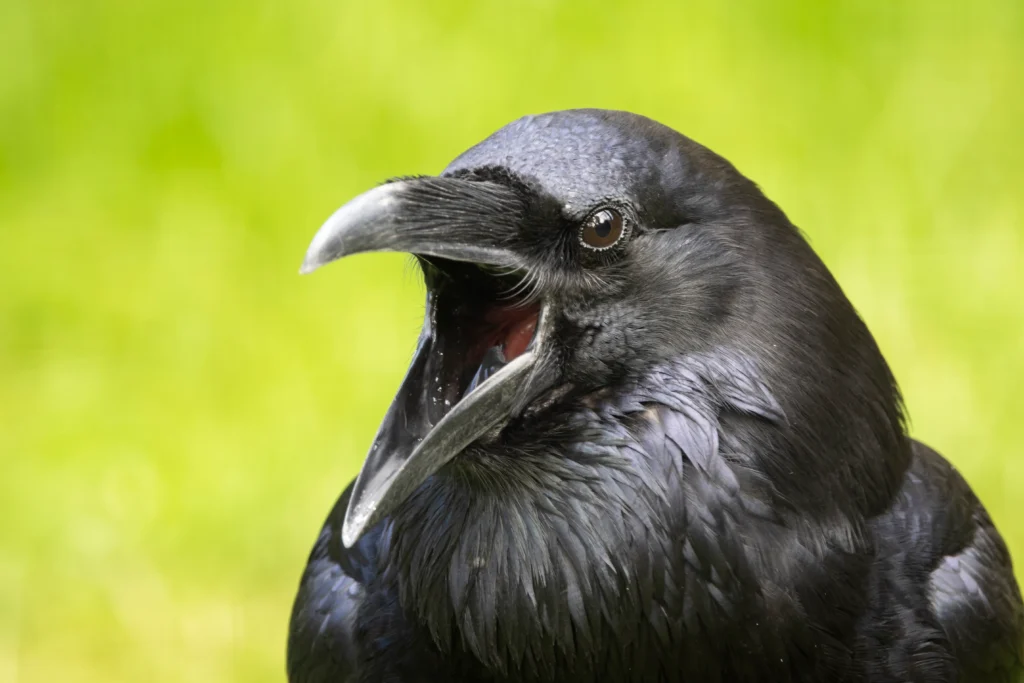
Crows are widely recognized as some of the most intelligent birds in the world. They can recognize faces, remember locations, communicate with each other, and even use tools. However, during certain times of the year, their behavior can become aggressive, especially when they feel their nests or chicks are threatened.
According to wildlife experts, the incidents near the Tel Aviv kindergarten are most likely connected to nesting season. During this period, baby crows sometimes fall from their nests before they are fully capable of flying. Adult crows remain nearby and aggressively defend the area from anything they perceive as dangerous—including humans walking too close.
In urban settings, this protective behavior can become particularly problematic. Streets, sidewalks, schools, and parks often sit directly beneath trees where birds nest. As a result, people may unknowingly enter what crows consider their “protected zone.”
Witnesses reported that birds were diving toward parents carrying children, pecking at heads, and causing panic near the school entrance. Some adults attempted to shield children using bags or jackets while quickly moving away from the area.
Experts stress that these attacks are usually defensive rather than predatory. The birds are not hunting humans; instead, they are attempting to scare away perceived threats.
Still, the experience can be frightening—especially for young children unfamiliar with aggressive wildlife behavior.
The Growing Challenge of Wildlife in Urban Areas
The Tel Aviv crow incidents are part of a much larger global trend: wildlife adapting to life in major cities.
As urban development expands, animals are increasingly forced to share space with humans. Some species struggle to survive in city environments, while others adapt surprisingly well. Crows, pigeons, foxes, raccoons, and even wild boars have become common sights in cities around the world.
Crows are especially successful urban survivors because of their intelligence and adaptability. Cities provide food sources, tall trees for nesting, warm environments, and relatively few natural predators. Garbage bins, parks, outdoor restaurants, and busy streets all create opportunities for birds to thrive.
However, close coexistence between humans and wildlife can create unexpected conflicts.
In many cities globally, aggressive bird incidents increase during breeding seasons. Similar attacks have been reported in Australia, Japan, the United States, and parts of Europe, where territorial birds temporarily become hostile toward pedestrians.
Urban planners and environmental experts now face a difficult challenge: balancing wildlife protection with public safety.
Removing nests or harming protected bird species is often illegal or environmentally harmful. At the same time, parents and residents expect safe public spaces, especially near schools and playgrounds.
The Tel Aviv situation highlights how modern cities may need better strategies for managing wildlife interactions without damaging local ecosystems.
Social Media’s Role in Spreading the Story
The unusual nature of the incident made it an instant viral topic online. Videos showing groups of crows flying around urban streets quickly spread across social media platforms, generating millions of views and reactions.
Some users treated the story humorously, comparing it to scenes from horror films or joking about a “crow invasion.” Others expressed genuine concern for the safety of children and families near the kindergarten.
However, not all of the viral content was accurate.
Fact-checkers later discovered that several dramatic videos supposedly showing massive crow swarms in Tel Aviv were actually old clips from different countries or unrelated events. This misinformation created confusion and exaggerated public fears about the scale of the attacks.
The situation demonstrates how quickly unusual local stories can become distorted online. Social media often amplifies emotional reactions before verified information becomes available.
At the same time, online attention can also pressure local authorities to respond more quickly. In this case, the widespread publicity pushed municipal officials to publicly address the issue and explain the likely reasons behind the birds’ behavior.
The incident serves as another reminder of the importance of verifying information before sharing viral content online.
What Authorities and Experts Recommend
Local officials in Tel Aviv have acknowledged the problem but explained that options for intervention are limited. Since the birds are behaving naturally during nesting season, authorities are hesitant to take aggressive action against them.
Instead, experts recommend practical safety measures to reduce the risk of attacks until the nesting period ends.
Some recommendations include:
- Avoid standing directly beneath trees where crows appear active
- Use umbrellas or hats for temporary protection
- Walk calmly rather than running or shouting
- Avoid approaching fallen chicks
- Supervise children closely near affected areas
Wildlife specialists note that crow aggression is usually temporary and decreases once young birds leave the nest and become independent.
Schools and local authorities may also temporarily adjust entry routes or increase supervision during peak activity periods.
Despite the fear generated by the attacks, experts emphasize that crows play an important role in ecosystems. They help clean waste, control insects, and contribute to environmental balance within cities.
Rather than viewing wildlife solely as a threat, many environmental advocates argue that urban societies must learn how to coexist more effectively with animals adapting to human environments.
The Tel Aviv kindergarten incident may seem unusual, but it reflects a growing global reality: cities are no longer spaces occupied only by humans. As wildlife continues adapting to urban life, unexpected interactions like these may become increasingly common.

Conclusion
The crow attacks near a Tel Aviv kindergarten have become one of the most talked-about local stories in recent days, combining public safety concerns with the unpredictable realities of urban wildlife.
While the incidents caused understandable fear among parents and children, experts believe the aggressive behavior is temporary and linked to nesting season instincts rather than unusual danger. Still, the situation has sparked broader conversations about how cities handle wildlife interactions in densely populated areas.
The story also highlights the powerful role of social media in shaping public perception, sometimes spreading awareness and sometimes spreading misinformation.
Table of Contents
Do Crows Attack People? And Why It Happens – ScienceInsights
U.S. Navy Destroyer Incident Report: Full Analysis! – trendsfocus