
Tensions between NATO and Russia continue to simmer, and recent developments over the Baltic region have once again brought global attention to military activity in European airspace. NATO fighter jets were recently scrambled to intercept Russian military aircraft flying over the Baltic Sea, highlighting the fragile balance between deterrence and escalation.
This incident is not isolated—it reflects a broader pattern of increased military maneuvers, surveillance missions, and strategic signaling between the West and Moscow. As geopolitical tensions remain high, especially in the wake of ongoing conflicts and shifting alliances, such encounters raise important questions about security, airspace sovereignty, and the risks of miscalculation.
Rising Tensions in the Baltic Region
The Baltic Sea has become one of the most sensitive geopolitical hotspots in Europe. Surrounded by NATO members such as Poland, Lithuania, Latvia, and Estonia, the region also borders Russia, making it a strategic zone for both sides.
In recent years, NATO has significantly increased its air policing missions in the region. These operations are designed to monitor and protect the airspace of member states, particularly those with limited air defense capabilities. The presence of Russian military aircraft flying near or along NATO airspace often triggers rapid responses, including the deployment of fighter jets.
Such interceptions are typically precautionary. NATO forces aim to identify and monitor aircraft that do not communicate with civilian air traffic control or fail to file flight plans. While these encounters are usually professional and controlled, they underline the persistent tension between both sides.
What Happened During the Latest Interception
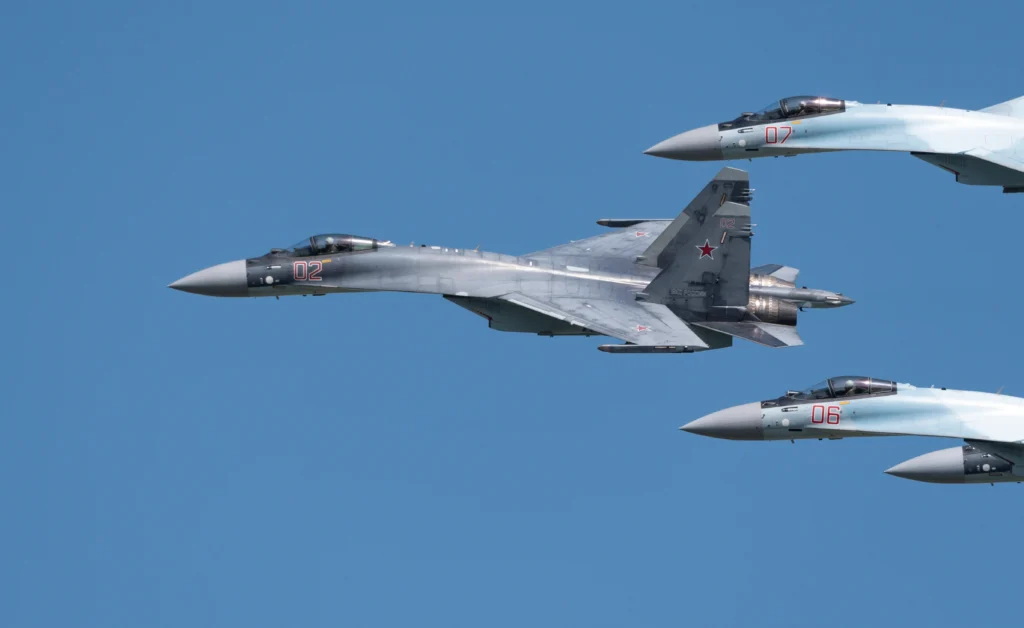
According to military officials, NATO fighter jets were scrambled after detecting Russian military aircraft flying over the Baltic Sea. The aircraft were reportedly operating without proper identification signals, which is considered a potential risk to civilian aviation and regional security.
NATO jets quickly approached and visually identified the aircraft, ensuring that they did not pose an immediate threat. Interceptions like these are standard procedure, but they require precision and discipline to avoid escalation.
The Russian aircraft did not enter NATO sovereign airspace, but their proximity was enough to trigger a response. These actions are often interpreted as strategic messaging, demonstrating presence and capability without crossing into direct confrontation.
Why These Incidents Matter
While no shots are fired during these interceptions, their significance should not be underestimated. Each encounter carries a degree of risk, especially in crowded or sensitive airspace. A minor miscommunication or technical error could potentially lead to a dangerous escalation.
For NATO, intercepting unidentified or non-compliant aircraft is essential to maintaining airspace security and reassuring member states. For Russia, such flights may serve multiple purposes, including reconnaissance, testing response times, and asserting influence in the region.
The situation reflects a broader dynamic of strategic competition. Since the escalation of tensions in Eastern Europe, military activity on both sides has increased—not only on land but also in the air and at sea. These actions are part of a complex balance where both NATO and Russia aim to project strength while avoiding direct conflict.

The Broader Geopolitical Context
This latest interception cannot be viewed in isolation. It is part of an ongoing pattern shaped by larger geopolitical developments, including NATO expansion, regional security concerns, and the evolving relationship between Russia and Western countries.
Countries bordering the Baltic Sea have been particularly vocal about the need for stronger defense measures. NATO has responded by increasing troop deployments, conducting joint exercises, and maintaining a continuous air policing presence.
At the same time, Russia has continued to conduct military operations near NATO borders, often emphasizing its strategic capabilities. This cycle of action and reaction creates an environment where military encounters are becoming more frequent.
Despite the tensions, both sides generally adhere to established protocols during these interactions. Pilots are trained to handle such situations professionally, reducing the likelihood of unintended escalation. However, the growing frequency of these incidents suggests that the margin for error may be narrowing.
Conclusion
The interception of Russian military aircraft over the Baltic Sea by NATO fighters is another reminder of the delicate security environment in Europe. While these encounters are routine from a military standpoint, they carry significant symbolic and strategic weight.
As geopolitical tensions persist, the Baltic region will likely remain a focal point for military activity and international attention. The challenge for both NATO and Russia will be to manage these interactions carefully—maintaining security and deterrence without crossing the line into confrontation.
In an increasingly uncertain world, such moments highlight the importance of communication, discipline, and diplomacy in preventing small incidents from turning into larger crises.
Table of Contents
NATO intercepts Russian military aircraft flying over the Baltic Sea | AP News
Why Cuba Is Trump’s Next Target in 2026 Strategy Now – trendsfocus