
In recent months, Cuba has once again moved to the center of global political attention. Statements and policy directions associated with Donald Trump suggest that the island nation could be the next major focus of U.S. pressure. But why Cuba—and why now?
This is not just a simple diplomatic tension. It reflects a broader geopolitical strategy that blends economic leverage, ideological conflict, domestic political interests, and global power competition. Understanding why Cuba is being targeted requires looking beyond headlines and diving into the deeper forces shaping U.S. foreign policy.
In this in-depth SEO-optimized analysis, we explore the real reasons why Cuba appears to be “next on Trump’s list,” and what it could mean for the future of international relations.
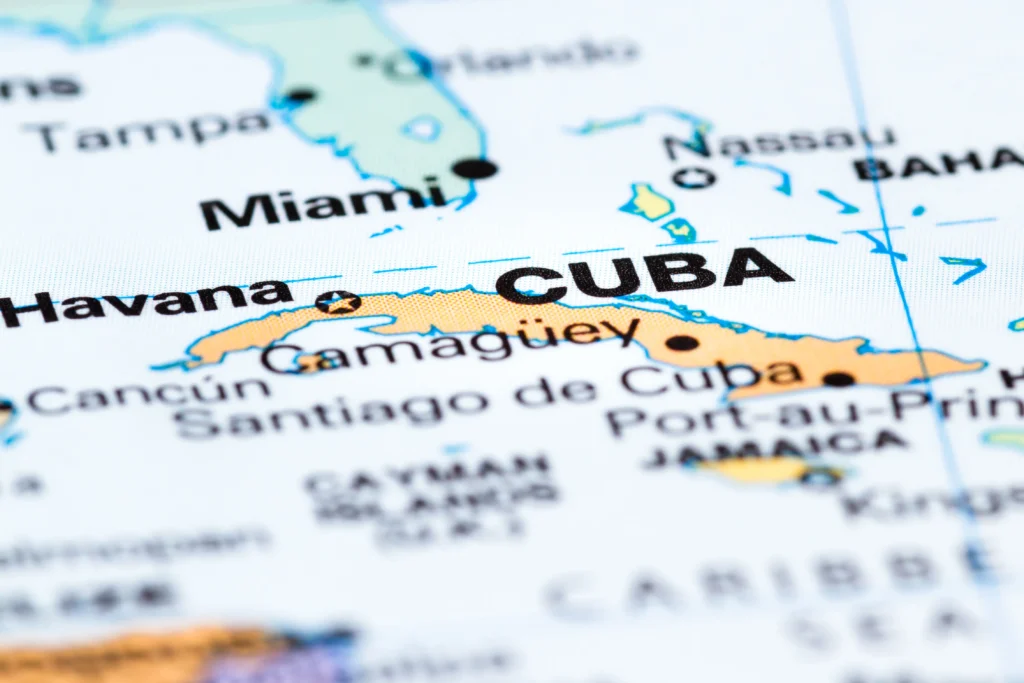
A Global Pressure Strategy: Cuba and the Domino Effect
Continuity in U.S. Foreign Policy
Cuba’s position today cannot be understood in isolation. It is part of a broader pattern in U.S. foreign policy, particularly under the influence of Donald Trump.
Over the years, Washington has applied maximum pressure strategies against countries seen as adversaries, including Venezuela and Iran. These strategies often involve economic sanctions, diplomatic isolation, and indirect destabilization efforts.
Cuba fits naturally into this framework. Rather than being a sudden target, it represents the continuation of a long-term approach aimed at weakening governments that oppose U.S. influence.
This “domino effect” strategy is based on the idea that pressuring one regime can weaken others, ultimately reshaping the geopolitical balance in favor of the United States.
An Ongoing Ideological Conflict
Cuba is not just strategically important—it is symbolically significant. Since the 1959 revolution, the country has represented a political model fundamentally opposed to U.S. capitalism.
For many American policymakers, especially within conservative circles, the existence of a communist regime so close to U.S. borders remains unacceptable.
This ideological dimension fuels a long-standing ambition: transforming Cuba’s political system and ending its role as a symbol of resistance to U.S. dominance.
A Strategic Opportunity: Cuba’s Current Vulnerability
A Deep Economic and Energy Crisis
Cuba is currently facing one of the most severe crises in its modern history. Economic stagnation, widespread shortages, and energy instability have created a fragile internal situation.
Frequent power outages disrupt daily life, businesses struggle to operate, and public frustration continues to grow. This environment increases internal pressure on the government.
From a strategic standpoint, such vulnerability presents an opportunity. A weakened country is more likely to respond to external pressure and less capable of resisting geopolitical influence.
Energy Sanctions as a Key Weapon
One of the most effective tools being used is energy restriction. By limiting Cuba’s access to oil—particularly by sanctioning countries or companies that supply it—the United States applies direct pressure on the nation’s core infrastructure.
The consequences are immediate:
- industrial slowdowns
- transportation disruptions
- worsening living conditions
This strategy is designed to create internal strain that could push the government toward negotiation or structural change.
Domestic Politics: Why Cuba Matters Inside the U.S.
The Florida Factor
U.S. foreign policy is often influenced by domestic electoral considerations, and Cuba is a prime example.
Florida, a key swing state in presidential elections, is home to a large Cuban-American population. Historically, this community has strongly opposed the Cuban government and supports hardline policies against it.
Taking a tough stance on Cuba can therefore translate into significant political support within this critical state.
A Strong Leadership Narrative
Beyond electoral strategy, being firm on Cuba helps project an image of strength and decisiveness.
For Donald Trump, such positioning reinforces a broader narrative of defending American interests and confronting adversaries head-on.
This makes Cuba not only a geopolitical issue but also a powerful communication tool in domestic politics.
Economic and Geopolitical Stakes
Untapped Economic Potential
Behind the political tensions lies a compelling economic reality: Cuba represents a largely untapped market.
If the country were to open up economically or undergo political transformation, it could attract:
- massive U.S. tourism
- foreign investment
- infrastructure development
For American businesses, Cuba offers proximity, cultural ties, and significant growth potential.
A Strategic Location in the Caribbean
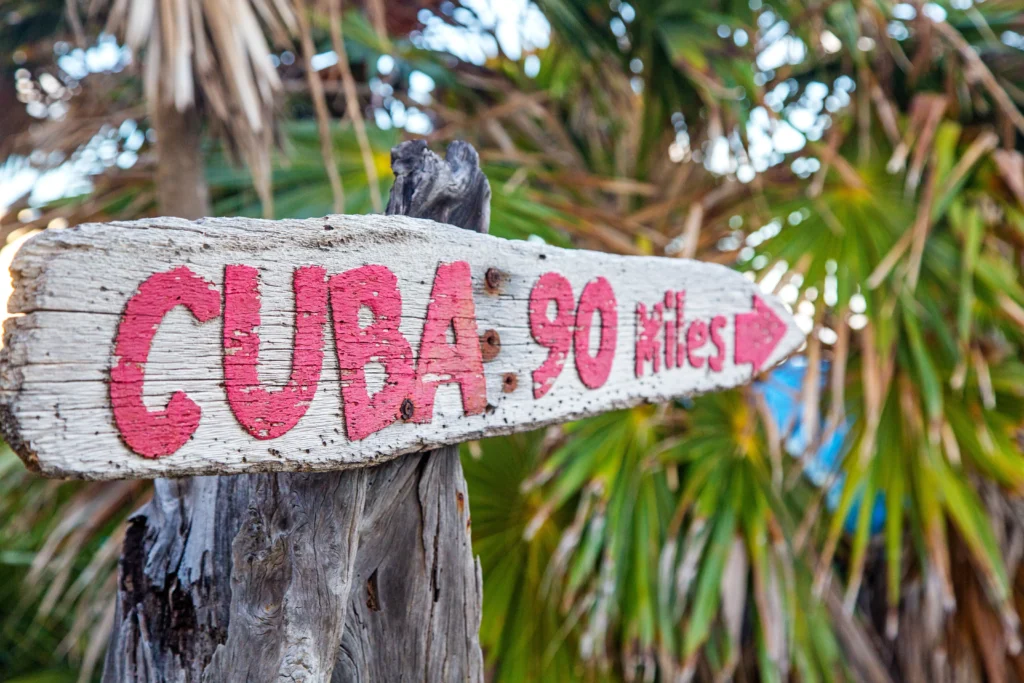
Geography plays a crucial role. Located just 90 miles from U.S. shores, Cuba occupies a key position in the Caribbean.
Influence over Cuba would allow the United States to:
- strengthen regional security
- limit the presence of rival powers like Russia and China
- consolidate its dominance in the Western Hemisphere
This makes Cuba not just a neighbor, but a strategic asset in global power dynamics.
A High-Risk Strategy with Uncertain Outcomes
Humanitarian Concerns
Economic pressure strategies often come with serious humanitarian consequences. In Cuba’s case, sanctions and restrictions can worsen living conditions for ordinary citizens.
Food shortages, limited access to healthcare, and ongoing energy issues may intensify social hardship without necessarily achieving political change.
Rising International Tensions
Aggressive policies toward Cuba could also strain U.S. relations with other countries.
Nations that maintain economic or diplomatic ties with Cuba may push back, leading to:
- diplomatic friction
- competing alliances
- increased regional instability
History has shown that isolating Cuba is not always straightforward, and external pressure can sometimes strengthen internal resistance rather than weaken it.
Conclusion: A Strategic Target, but a Complex Reality
Cuba’s position as a potential next target in U.S. strategy is no coincidence. It sits at the intersection of multiple powerful forces:
- a broader geopolitical pressure strategy
- a moment of internal vulnerability
- domestic political incentives in the United States
- significant economic and strategic opportunities
However, this approach remains highly uncertain. Cuba has demonstrated resilience over decades of external pressure, and any attempt to force change carries significant risks.
The key question moving forward is clear:
👉 Will increased pressure lead to transformation, or will it deepen divisions and prolong the status quo?
One thing is certain—Cuba will remain a critical focal point in global geopolitics for years to come.
Table of Contents
Cuba is on its knees – and ‘next’ on Trump’s list | World News | Sky News
Venezuelan Oil: A Strategic Asset for the United States – trendsfocus