
Michigan Air Quality
Air quality has become a major concern across Michigan as smoke from ongoing wildfires spreads into the region, creating hazy skies and unhealthy conditions in many communities. Residents across the state have been encouraged to pay close attention to air quality reports as pollution levels rise due to fine particles carried by wildfire smoke.
The situation highlights the growing impact of large wildfire events on communities far from the flames themselves. While Michigan is not experiencing widespread wildfires directly, smoke traveling hundreds of miles can still affect the air people breathe, reducing visibility and increasing health risks for vulnerable groups.
Environmental officials and health experts are urging residents to take precautions, especially during periods when air pollution reaches unhealthy levels. Children, older adults, outdoor workers, and individuals with respiratory or heart conditions are among those most likely to experience problems when exposed to poor air quality.
As weather patterns continue to influence smoke movement, Michigan residents are being advised to monitor air quality conditions, limit unnecessary outdoor activities, and take steps to protect indoor air. Understanding what causes these alerts and how to respond can help communities stay safe during wildfire smoke events.
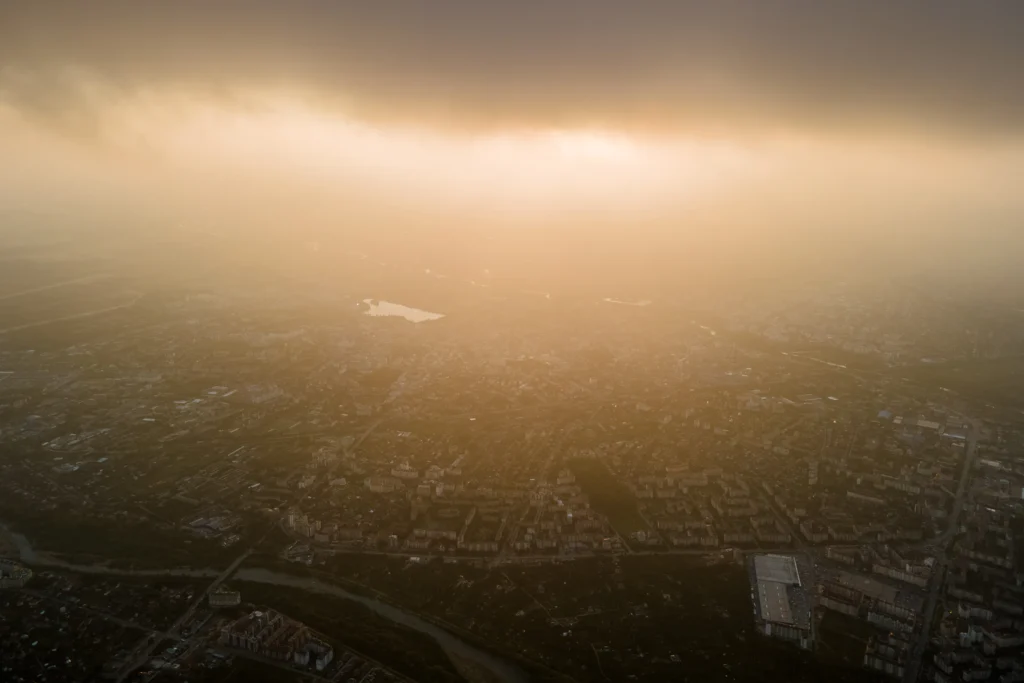
Michigan Air Quality Alert as Wildfire Smoke Spreads
Wildfire smoke has once again become a significant environmental issue affecting Michigan, bringing increased levels of fine particle pollution throughout the state. These tiny airborne particles, known as PM2.5, are one of the biggest concerns during smoke events because they can penetrate deep into the respiratory system.
The smoke affecting Michigan is linked to large wildfire activity in Canada and other northern regions. Winds and atmospheric conditions can transport smoke over long distances, allowing areas hundreds of miles away from active fires to experience unhealthy air conditions.
Residents in cities and rural areas alike may notice several signs of reduced air quality, including hazy skies, unusual odors, decreased visibility, and irritation of the eyes, nose, or throat. While some people may only experience minor discomfort, others can face more serious health challenges when pollution levels increase.
Michigan’s environmental agencies continue to track air quality conditions and provide updates as smoke levels change. Air quality alerts are designed to help residents understand when outdoor exposure may become risky and what actions they can take to reduce potential health impacts.
Why Wildfire Smoke Is Affecting Michigan’s Air Quality
The main reason behind Michigan’s air quality concerns is the presence of fine particulate matter released by wildfires. When forests and vegetation burn, they produce a mixture of gases and microscopic particles that can travel through the atmosphere.
Unlike larger particles that quickly settle, PM2.5 particles can remain suspended in the air for extended periods. Weather conditions, including wind direction, temperature patterns, and atmospheric pressure, determine how much smoke reaches Michigan and how long it remains in the region.
During certain weather patterns, smoke can become trapped near the ground, causing pollution levels to rise. This can create unhealthy conditions even when the sky appears only slightly hazy.
Wildfire smoke events have become more common across North America in recent years, affecting regions that traditionally did not experience frequent air quality problems. Michigan’s location near Canada makes it particularly vulnerable when large fires occur north of the border.
Experts say that climate conditions, including hotter temperatures and prolonged dry periods, have contributed to longer and more intense wildfire seasons. As wildfire activity increases, states like Michigan may continue to experience occasional air quality disruptions caused by smoke traveling across borders.
Health Risks Linked to Poor Air Quality in Michigan
Poor air quality caused by wildfire smoke can affect people differently depending on their health, age, and level of outdoor activity. For many residents, short-term exposure may cause temporary irritation, but individuals with existing health conditions face greater risks.
Common effects associated with exposure to wildfire smoke can include:
- Eye, nose, and throat irritation
- Coughing or breathing discomfort
- Increased sensitivity for people with asthma
- Reduced ability to tolerate strenuous outdoor activities
- Worsening symptoms for individuals with heart or lung conditions
Children are considered more sensitive because their lungs are still developing, while older adults may face increased risks due to existing health concerns. Outdoor workers, athletes, and people who spend long periods outside may also receive higher exposure.
Health officials recommend that residents check daily air quality levels before spending extended time outdoors. When pollution reaches unhealthy levels, reducing outdoor activity and avoiding intense exercise can help lower exposure.
Indoor air quality can also become important during smoke events. Keeping windows and doors closed when outdoor pollution is high, using air filtration systems when available, and avoiding activities that create indoor pollution can help maintain cleaner air inside homes.
Michigan Residents Urged to Take Precautions During Air Quality Alerts
When air quality alerts are issued, officials encourage residents to follow simple steps to protect their health. These measures can reduce exposure to harmful particles and help prevent unnecessary health problems.
One of the most effective actions is limiting outdoor activity during periods of poor air quality. People who normally exercise, work, or spend recreational time outside should consider moving activities indoors until conditions improve.
Residents should also pay attention to air quality monitoring tools and official announcements. Conditions can change quickly depending on wind patterns, weather systems, and wildfire activity.
For those who must spend time outdoors, reducing the amount of time exposed to smoky air and avoiding heavy physical exertion can help. People who experience breathing difficulties or other concerning symptoms should take appropriate health precautions and seek medical advice when necessary.
Communities, schools, and local organizations may also adjust outdoor programs during severe air quality events. These decisions are made to protect public health, especially for children and vulnerable populations.
While air quality alerts can be inconvenient, they serve an important role in helping people make informed decisions about their daily activities.
Weather Changes Could Bring Relief, but Smoke Remains a Continuing Concern
The future of Michigan’s air quality depends heavily on weather conditions and wildfire developments. Changes in wind direction and incoming weather systems can help move smoke away and improve air quality.
However, as long as major wildfires continue burning in other regions, Michigan remains vulnerable to additional periods of smoky conditions. A temporary improvement does not necessarily mean the threat has disappeared completely.
Meteorologists and environmental officials continue monitoring atmospheric conditions to predict how smoke will move across the state. Residents are encouraged to remain aware of updates, especially during active wildfire seasons.
The recent air quality concerns serve as a reminder that environmental events occurring far away can still have a direct impact on Michigan communities. Wildfire smoke is no longer only a regional issue; it has become a broader public health challenge affecting multiple states and countries.
By staying informed, following air quality recommendations, and taking simple protective measures, Michigan residents can reduce their exposure and better manage the effects of wildfire smoke.
As climate patterns continue to change and wildfire seasons become more unpredictable, air quality monitoring and public awareness will remain essential tools for protecting communities across Michigan and beyond.
Table of Contents
How long will smoke last in Michigan? Air quality alert extended
Roger Rogoff’s Dismissal by Trump Sparks Legal Fight Over Presidential Authority – trendsfocus