
If you’ve recently planned a visit to your local Social Security office, you may want to pause and check the situation first. Across different parts of the United States, some Social Security Administration (SSA) offices are temporarily closing or reducing in-person services, creating confusion for many people who rely on them for essential support.
These changes are not happening everywhere at once, but they are scattered enough to affect daily access for thousands of citizens. Whether you’re applying for benefits, updating your records, or seeking assistance with retirement or disability claims, these disruptions can cause delays and frustration.
In this article, you’ll learn exactly what is happening, why offices are changing their operations, how it may affect you, and what practical steps you can take to avoid unnecessary stress.
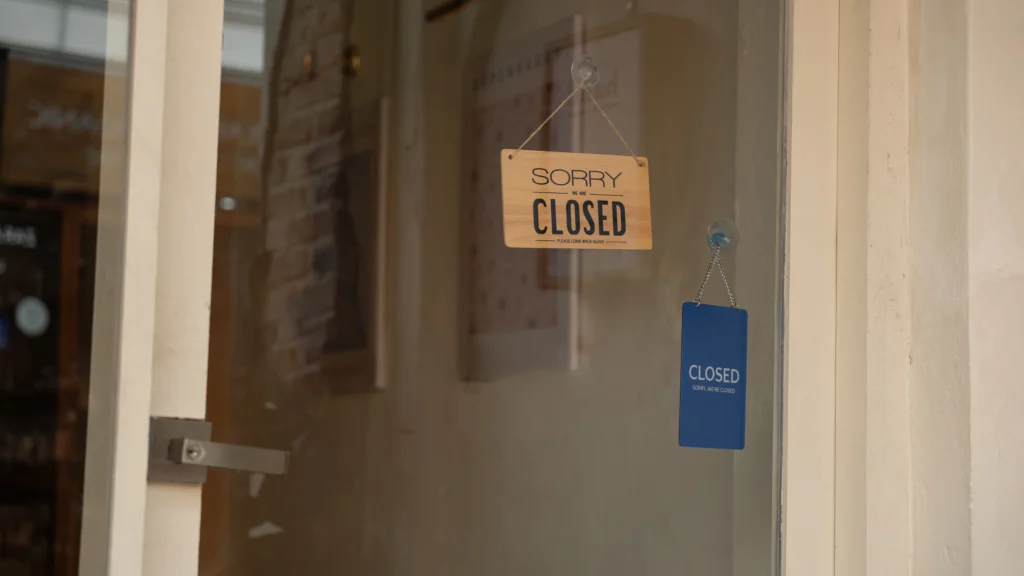
Social Security Offices Are Temporarily Closing: Is Yours One of Them?
H2: What Is Happening With Social Security Offices Right Now?
Across the country, some Social Security offices are not operating under their usual schedules. Instead of full in-person service, certain locations are experiencing:
- Temporary closures for maintenance or operational issues
- Reduced in-person appointments only
- Limited walk-in services
- Temporary shifts to phone and online support
This situation is not a national shutdown. Rather, it is a localized and unpredictable pattern, meaning one office may be fully open while another nearby is partially or fully restricted.
Why this matters
Millions of people depend on SSA services every month, including:
- Retirees applying for or managing benefits
- Individuals with disabilities
- Families updating Social Security records
- New applicants seeking guidance
Even short disruptions can lead to:
- Delayed appointments
- Longer processing times
- Increased pressure on online systems
- Confusion for people who rely on in-person help
For many, visiting an office is not optional—it’s the only comfortable or accessible way to get support.
Why Are Social Security Offices Closing or Limiting Access?
There isn’t just one reason behind these changes. Instead, several factors contribute to temporary closures or reduced services.
1. Staffing Challenges
Many government offices are dealing with staffing shortages, which can lead to:
- Fewer available employees for walk-in service
- Reduced appointment capacity
- Delays in processing paperwork
When staffing levels drop, offices often reduce in-person access to keep essential services running.
2. Maintenance and Facility Issues
Like any public building, SSA offices require maintenance. Some closures are due to:
- Electrical or plumbing repairs
- Safety inspections
- Renovations or upgrades
In these cases, closures are usually temporary but can still disrupt scheduled visits.
3. Increased Demand for Services
The demand for Social Security services has been rising steadily due to:
- An aging population
- More disability claims
- Increased retirement applications
When demand exceeds capacity, offices may temporarily shift toward:
- Phone appointments
- Online service tools
- Priority scheduling for urgent cases
4. Shift Toward Digital Services
The SSA has been gradually encouraging users to access services online. While this improves efficiency for many, it also reduces the need for physical office visits.
However, this shift is not easy for everyone, especially:
- Elderly individuals unfamiliar with digital tools
- People without reliable internet access
- Those who prefer in-person assistance
How This Affects You and What You Should Expect
If your local Social Security office is affected, you may experience several changes in how you access services.
Possible impacts include:
- Appointment delays or rescheduling
- Longer wait times for callbacks or phone support
- Limited availability for walk-in assistance
- More reliance on online accounts
What this means for everyday users
If you depend on Social Security services, you may need to adjust your expectations:
- Planning ahead becomes essential
You can no longer assume same-day service or walk-in availability. - Digital access becomes more important
Many tasks—like checking benefits, updating personal information, or submitting forms—can now be done online. - Flexibility is required
Appointments may need to be scheduled weeks in advance, depending on location.
Who is most affected?
- Seniors who prefer in-person help
- People applying for disability benefits
- Individuals handling urgent benefit issues
- Those in rural areas with fewer office options

What You Should Do Before Visiting a Social Security Office
If you’re planning a visit, preparation is key. A simple check can save you hours of frustration.
1. Confirm Office Status First
Before leaving home, verify whether your local office:
- Is open
- Has limited hours
- Requires appointments only
This step alone can prevent unnecessary trips.
2. Try Online Services First
Many common tasks can be completed without visiting an office, such as:
- Checking benefit status
- Updating contact information
- Requesting documents
- Applying for certain benefits
Using online tools can often be faster than waiting for an appointment.
3. Call Ahead When Needed
If your situation requires in-person support, calling ahead can help you:
- Confirm availability
- Schedule an appointment
- Avoid unexpected closures
4. Prepare Your Documents
When you do get an appointment, make sure you bring:
- Government-issued ID
- Social Security number
- Relevant forms or paperwork
- Supporting documents for your request
Being prepared helps you avoid repeat visits.
The Bigger Picture: What This Means for the Future
These temporary closures and service changes may point to a larger shift in how Social Security services operate in the future.
1. More Digital Services
There is a clear trend toward expanding online access, which may include:
- More self-service tools
- Faster digital applications
- Reduced need for in-person visits
2. Fewer Walk-In Visits
In-person visits may become more structured, with:
- Appointment-only systems
- Limited daily capacity
- Prioritization of complex cases
3. Increased Efficiency—but Uneven Access
While digital systems can improve speed and reduce wait times, they may also create challenges for those who:
- Lack digital literacy
- Have limited internet access
- Need personal assistance
4. A Hybrid Future
The most likely direction is a combination of both:
- Online systems for routine tasks
- In-person offices for complex support
- Phone services for quick assistance
This hybrid model aims to balance efficiency with accessibility.
Conclusion: Stay Informed and Plan Ahead
Temporary closures and service changes at Social Security offices are creating real challenges for many people, especially those who rely on in-person support. While these disruptions are not permanent or nationwide, they highlight an important shift in how public services are being delivered.
The best approach right now is simple: stay informed, plan ahead, and use available online tools whenever possible. A few minutes of preparation can save you hours of waiting and frustration.
If you depend on Social Security services, don’t wait until the last minute. Check your local office status, explore digital options, and stay flexible with your plans.
Call to Action
Have you experienced delays or closures at a Social Security office near you? Share your experience in the comments and help others stay informed.
Table of Contents
Your Social Security office may be temporarily closed. See the list