
A powerful and sudden flash flooding event has hit Oahu, causing widespread destruction, displacing thousands, and prompting massive emergency response efforts. Once known for its serene beaches and lush landscapes, the island now faces one of its most serious natural disasters in decades. Residents are dealing with rising waters, damaged homes, blocked roads, and the looming threat of infrastructure failure. As communities struggle to cope, this disaster serves as a stark reminder of nature’s unpredictability and the importance of disaster preparedness.
What Caused the Severe Flooding?
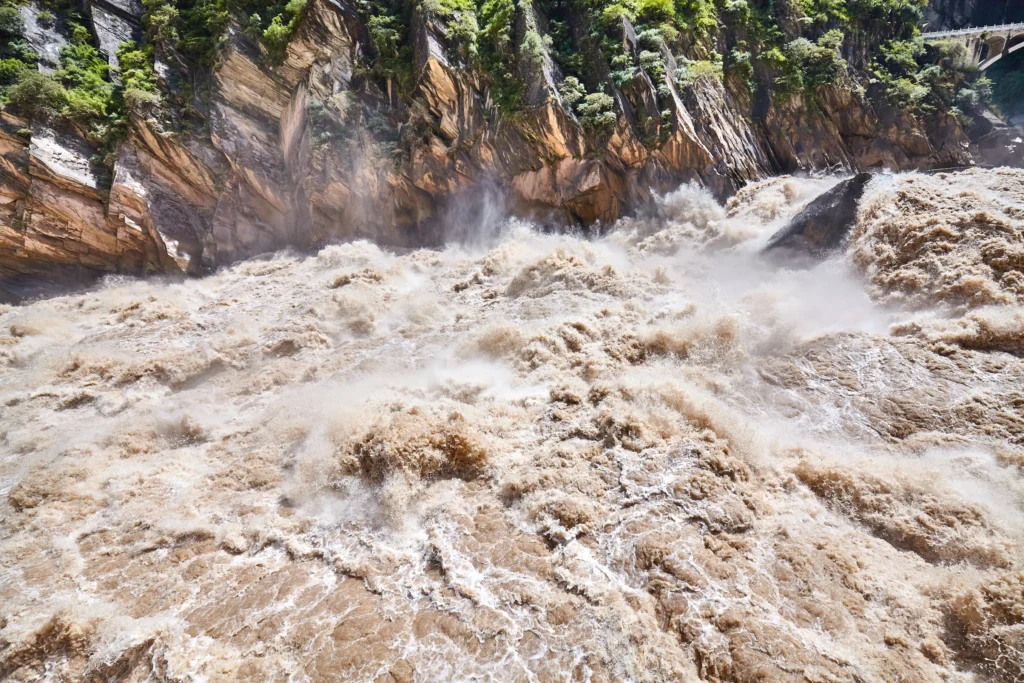
The flooding in Oahu was triggered by a relentless storm system that delivered torrential rainfall over an extended period. Unlike typical seasonal showers, these storms persisted for hours, saturating the ground and causing rivers and streams to overflow. When the soil cannot absorb any more water, it quickly turns into runoff, rushing into residential and urban areas.
Oahu’s geography made the situation worse. Steep mountains funnel rainwater into narrow valleys, causing sudden surges that can flood entire neighborhoods. Low-lying areas were particularly vulnerable, with water levels rising so quickly that residents had little time to escape. Urban development, with its paved roads and concrete surfaces, further reduced the land’s ability to absorb rainwater, amplifying the flooding.
Experts also note that the intensity of this storm is part of a broader trend of extreme weather events. Higher atmospheric temperatures allow the air to hold more moisture, producing heavier rainfall during storms. While floods have always been a risk in Hawaii, this event demonstrates how quickly extreme weather can overwhelm both natural and human-made systems.
Emergency Response and Rescue Efforts
Emergency crews responded immediately to the flooding, launching search and rescue operations across the hardest-hit areas. First responders, including firefighters, police, and local volunteers, worked tirelessly to reach residents trapped in homes, cars, and streets submerged in water.
In some of the most dangerous areas, helicopters were deployed to airlift families to safety. Entire households, including children and the elderly, were rescued from rooftops and flooded structures. Evacuation orders were issued in high-risk areas, and temporary shelters were opened to provide food, medical care, and safe housing for displaced residents.
Coordination between local agencies and emergency teams was critical. Communication through social media, public alerts, and emergency hotlines helped keep residents informed and guided them to safety. Despite these efforts, challenges remain. Flooded roads and damaged infrastructure slowed rescue operations, and emergency workers risked their own safety navigating fast-moving floodwaters.
Impact on Communities and Infrastructure
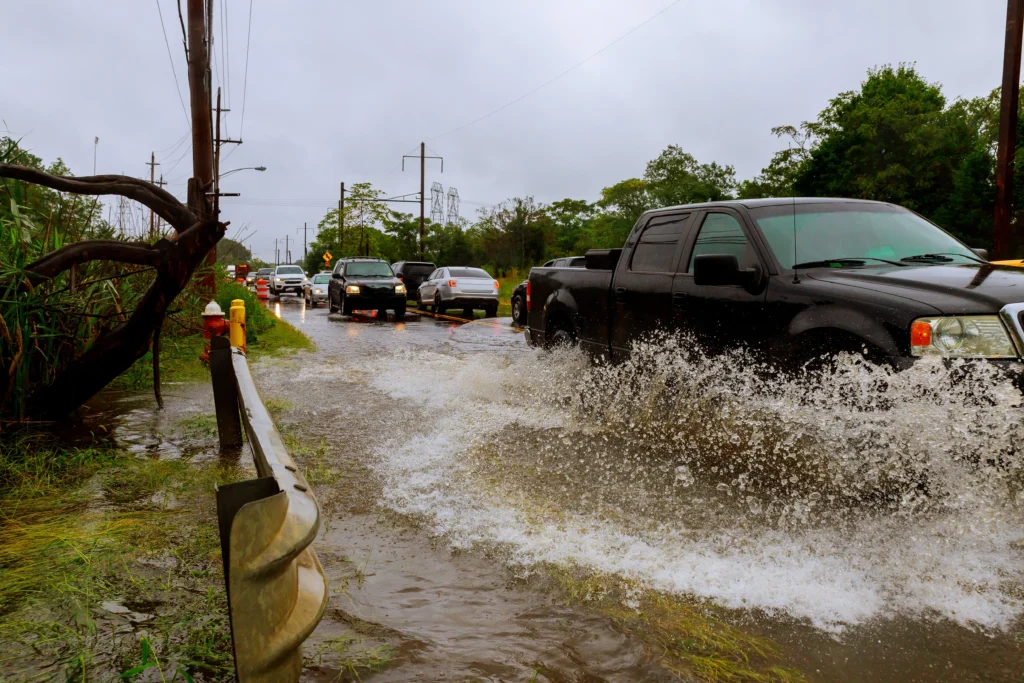
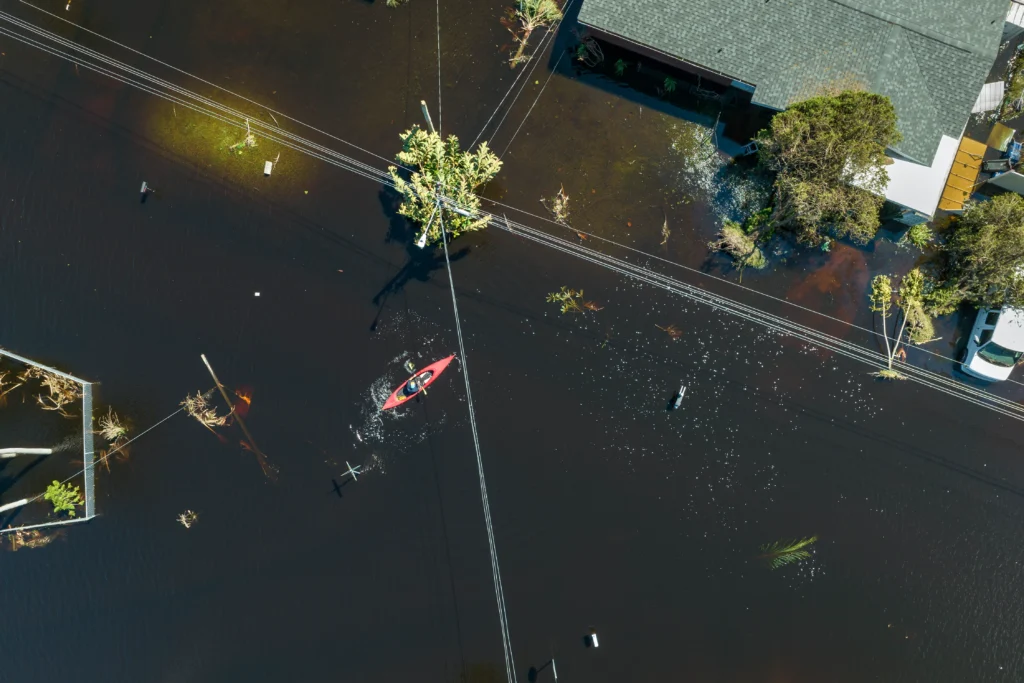
The flooding has caused widespread damage to homes, businesses, and public infrastructure across Oahu. Many neighborhoods were submerged, leaving residents displaced and personal belongings destroyed. Vehicles were swept away, streets turned into rivers, and entire communities were temporarily cut off from access to emergency services.
Infrastructure suffered heavily. Roads and bridges were damaged or destroyed, disrupting transportation and making it difficult for rescue crews to reach isolated areas. Schools and public institutions were forced to close, and power outages affected thousands of households. Water systems were compromised in some neighborhoods, creating additional challenges for families returning to their homes.
The economic impact is expected to be significant. Businesses, particularly small shops and local services, have been forced to close due to flooding and structural damage. The cleanup and rebuilding process will be lengthy and costly, and for many residents, recovery will take months or even years.
Ongoing Risks and Recovery Efforts
Even as floodwaters begin to recede in some areas, risks remain. Continued rainfall could worsen conditions, while weakened infrastructure—such as roads, bridges, and dams—remains vulnerable. Residents are urged to remain cautious and avoid returning to flooded zones until officials confirm it is safe.
Health risks are also a concern. Standing floodwaters can become a breeding ground for bacteria and insects, increasing the risk of disease. Contaminated water may affect households that have returned to their homes, making cleanup both difficult and hazardous.
Recovery efforts are underway, with authorities focused on providing shelter, medical aid, and essential supplies. The community is working together to rebuild homes, clear debris, and restore basic services. These efforts highlight the resilience of residents and the importance of preparedness for future disasters.
Looking ahead, this disaster underscores the need for stronger infrastructure, improved drainage systems, and early warning technologies. Urban planning and emergency response protocols may need to be reevaluated to protect communities against increasingly extreme weather events.
Conclusion
The flash flooding in Oahu is one of the most severe natural disasters the island has faced in decades. Thousands of residents have been displaced, homes destroyed, and infrastructure severely damaged. Emergency teams continue to rescue and protect affected communities, but the road to recovery will be long and challenging.
This event is a clear reminder of the increasing power of extreme weather and the need for vigilance, preparedness, and investment in resilient infrastructure. While the immediate focus remains on safety and rescue, long-term planning will be essential to reduce the impact of future disasters and protect the people of Hawaii.
Table of Contents
Hawaii suffers its worst flooding in 20 years
Chuck Norris Dies at 86: Martial Arts and Film Legend – trendsfocus