
The Strait of Hormuz is one of the most strategically vital waterways in the world, connecting the Persian Gulf to the Gulf of Oman and the Arabian Sea. It serves as a lifeline for global energy markets, with nearly 20% of the world’s oil shipments passing through daily. Recently, former President Donald Trump made a startling admission: Iran can continue to assert dominance over the Strait of Hormuz “no matter how badly defeated they are.”
This statement has significant implications, highlighting the ongoing geopolitical tension in the Middle East and raising serious questions about global energy security, international trade, and the limits of military power. In this article, we explore the meaning of Trump’s admission, Iran’s continued influence over the strait, international efforts to maintain security, and the global ramifications for energy and trade.
what happened
Trump’s candid acknowledgment underscores a reality that many military analysts have long warned about: Iran possesses the ability to control or disrupt maritime traffic through the Strait of Hormuz, regardless of the level of military pressure applied. This admission is significant because it highlights the resilience of Iran’s strategic capabilities and the challenge of ensuring safe passage in such a geopolitically sensitive corridor.
The former president emphasized that even with heavy sanctions and military interventions, Iran retains the capacity to leverage its geographic and military advantages to influence the flow of global oil. This recognition is a major point of discussion among policymakers, as it illustrates the limits of conventional military solutions in the face of asymmetric strategies employed by Iran.
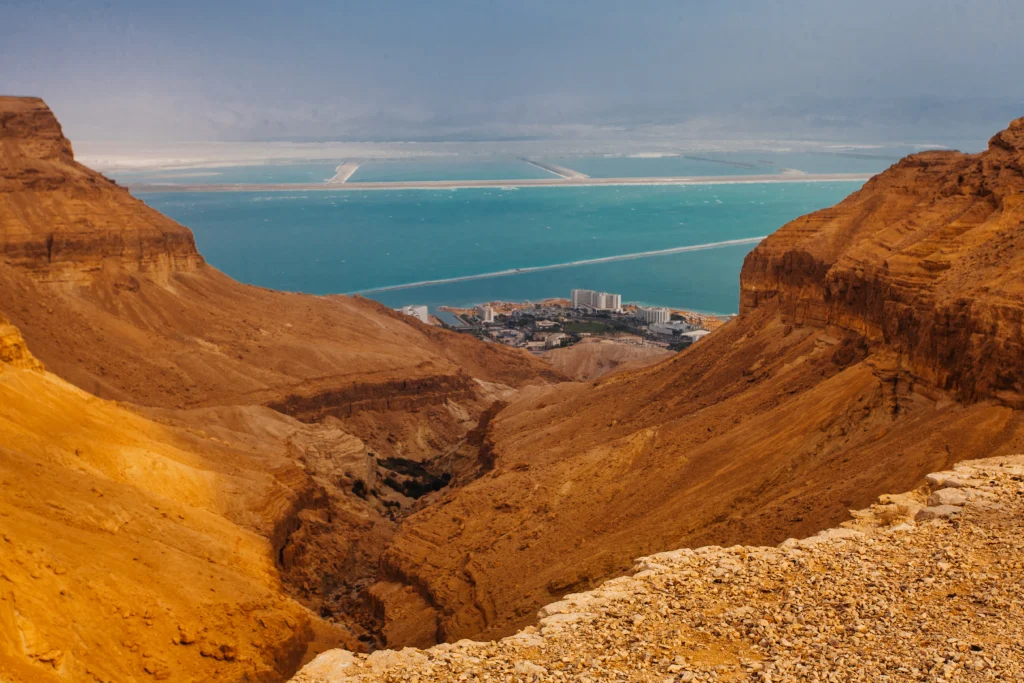
The Strategic Importance of the Strait of Hormuz
The Strait of Hormuz is only about 21 miles wide at its narrowest point, yet its significance cannot be overstated. Around 20% of global crude oil shipments pass through the strait each day, making it one of the most critical maritime chokepoints in the world. Any disruption in this corridor can have immediate and far-reaching consequences on energy markets, trade, and the global economy.
For Iran, the strait represents both a strategic advantage and a bargaining tool. Its narrow channels and geographic positioning allow even small naval and missile forces to threaten larger military powers and commercial shipping. This asymmetric advantage means that Iran can exert influence without engaging in a full-scale military confrontation.
The vulnerability of the Strait of Hormuz is not just theoretical. Historical incidents, including previous Iranian threats to close the strait and attacks on oil tankers, have proven that even a small-scale disruption can significantly impact global oil prices and shipping schedules. Trump’s statement serves as a reminder of the strategic leverage Iran continues to hold.
How Iran Maintains Its Leverage
Iran’s influence over the Strait of Hormuz is built on a combination of military strategy, geography, and innovative asymmetric tactics. Key methods include:
- Naval Forces: Iran’s navy, particularly its fast-attack craft and small missile boats, can maneuver quickly and threaten larger vessels with precision attacks.
- Drones and Missiles: Unmanned aerial vehicles and missile systems allow Iran to conduct long-range monitoring and strike capabilities, increasing the risk for foreign ships passing through the strait.
- Naval Mines: Laying mines in strategic areas creates persistent threats to navigation, forcing commercial vessels and naval forces to reroute or adopt protective measures.
Even when conventional military engagements leave Iran “defeated” in one sense, these tools allow Tehran to maintain significant influence over maritime traffic. Trump’s admission effectively recognizes that Iran’s strength lies not just in raw military power, but in its ability to exploit geography and asymmetrical tactics.
International Efforts to Secure the Strait
Given the strategic importance of the Strait of Hormuz, multiple nations have a vested interest in keeping it open and secure. Trump suggested that countries like China, France, Japan, South Korea, and the United Kingdom could contribute naval forces to help ensure safe passage for commercial vessels.
However, coordinating such international efforts is complicated. The Middle East is a region of complex political rivalries, competing interests, and ongoing conflicts. While multinational patrols and collaborative security measures are possible, they require diplomatic alignment, logistical coordination, and clear rules of engagement to avoid escalation.
Past efforts have included joint naval exercises, escorting oil tankers through the strait, and deploying surveillance technologies to detect and neutralize threats. Despite these measures, the strait remains vulnerable to Iranian actions, as Trump’s recent comments highlight
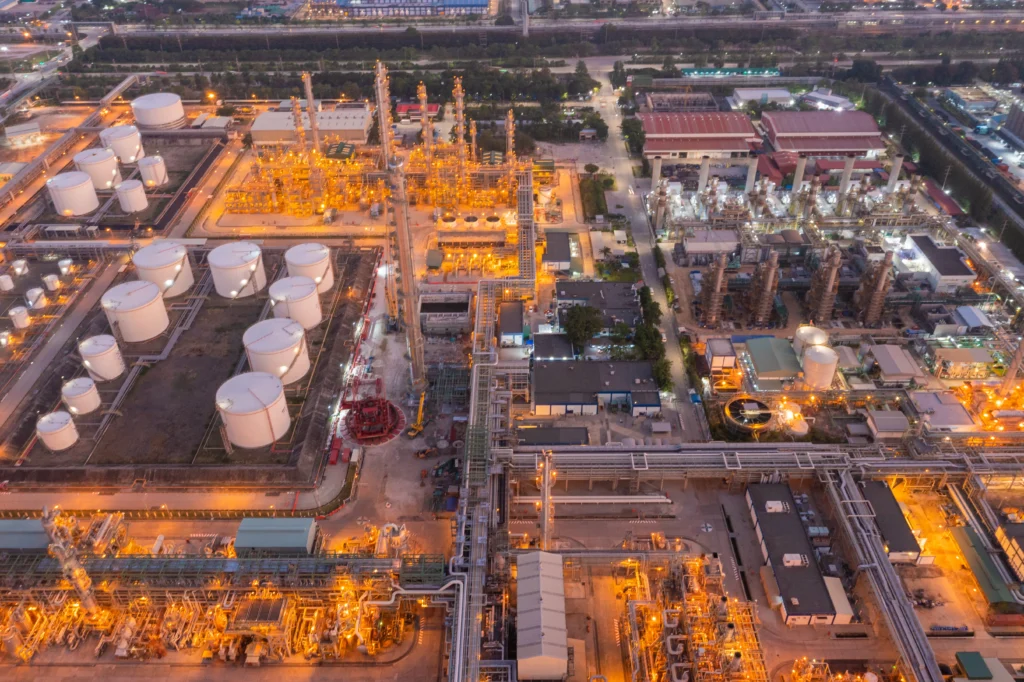
Global Implications for Energy, Trade, and Security
Trump’s acknowledgment of Iran’s ongoing power over the Strait of Hormuz has global consequences.
Energy Markets
Any disruption to the strait directly affects global oil prices. Even minor threats can trigger spikes in crude prices, influencing everything from gasoline costs to energy sector investments worldwide. Countries that rely heavily on Middle Eastern oil are particularly sensitive to instability in this region.
Global Trade
The strait is also critical for international trade, as a large portion of maritime traffic passes through it. Disruptions in shipping routes can delay deliveries, increase shipping costs, and affect global supply chains. This makes the strait not only a regional concern but a worldwide economic risk.
International Security
Trump’s admission highlights the limits of military solutions in ensuring free navigation. While naval forces and security patrols are essential, Iran’s geographic advantage and asymmetric tactics mean that complete control of the waterway cannot be guaranteed. The situation emphasizes the need for diplomatic, economic, and cooperative measures alongside military presence to stabilize the region.
Conclusion
The Strait of Hormuz remains a central point of tension in global geopolitics. Former President Trump’s admission that Iran can continue to assert dominance “no matter how badly defeated they are” underscores the enduring challenges of securing this critical passage.
Even with international military pressure, Iran’s strategic use of geography, naval capabilities, and asymmetric tactics ensures that it retains significant influence over the strait. For global energy markets, trade, and security, the situation in the Strait of Hormuz will continue to be closely monitored. As countries navigate this delicate balance of power, the lessons of resilience, leverage, and diplomacy in this vital region remain highly relevant for the world today.
Table of Contents
Strait of Hormuz: Iran Says All Nations Except US and Israel Can Pass – trendsfocus