
The Middle East remains at the center of global attention as Iran’s Foreign Minister recently issued a statement regarding the Strait of Hormuz, one of the world’s most important maritime routes. This narrow but highly strategic waterway connects the Persian Gulf to the Gulf of Oman and beyond, serving as a lifeline for international oil and gas trade. In a bold announcement, Iran stated that the strait is open for most nations to transit, except for the United States and Israel, citing ongoing hostilities and regional tensions.
This statement comes amid heightened military and diplomatic pressure in the region, including recent confrontations involving the U.S., Israel, and Iran. The Strait of Hormuz, through which a significant portion of global oil and liquefied natural gas shipments passes, has long been considered a geopolitical chokepoint. Any restriction or disruption here could have far-reaching consequences for energy markets, global trade, and regional security.
In this article, we explore the strategic importance of the Strait of Hormuz, the implications of Iran’s announcement, and how this decision may impact global trade, energy prices, and international relations.
Iran’s Statement on the Strait of Hormuz
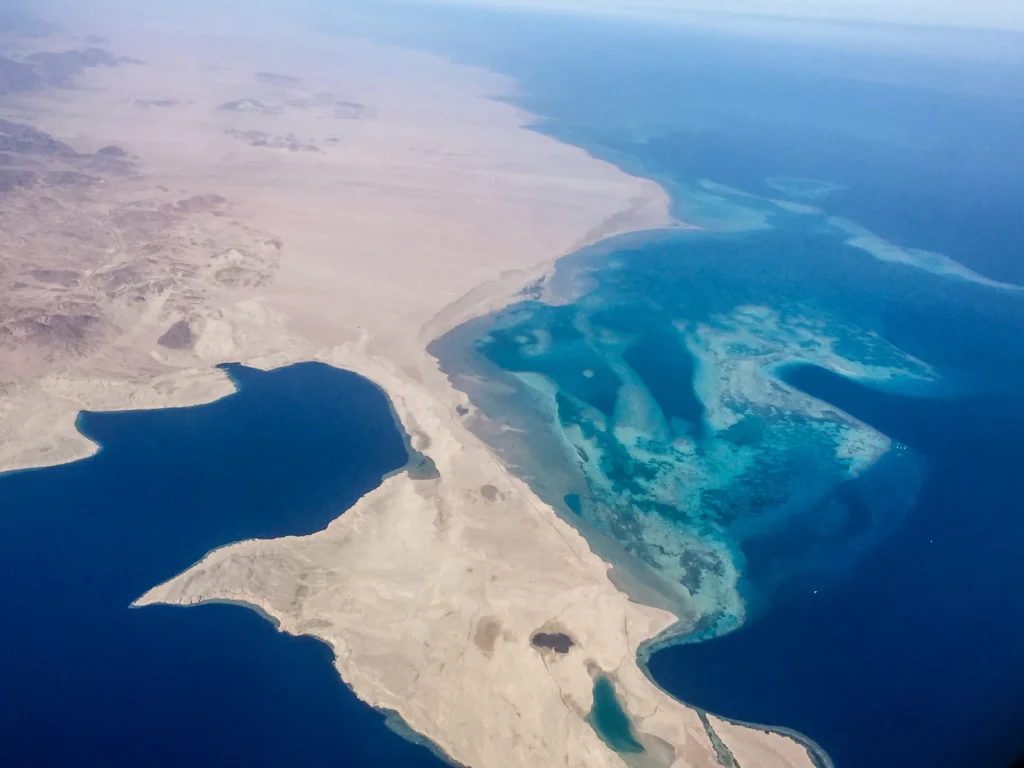
Iran’s Foreign Minister announced that the Strait of Hormuz will remain open for almost all countries. However, the United States and Israel were explicitly excluded from this permission due to their perceived roles in ongoing conflicts in the region. The statement underscores Iran’s determination to maintain influence over this critical maritime route while sending a clear geopolitical message.
The announcement also highlights Iran’s dual approach: asserting regional control and influence while balancing economic realities. By allowing most nations to continue transiting the strait, Iran signals that it does not intend to completely disrupt global trade, which could provoke international condemnation and economic repercussions. Yet, by excluding the U.S. and Israel, Iran conveys a message of strength and political defiance, particularly amid tensions over recent military actions and diplomatic disputes.
Iran’s approach emphasizes the delicate balance between national security, regional power projection, and global economic considerations. The statement has already sparked international discussion and raised questions about how nations will respond to these restrictions in the days and weeks ahead.
Strategic Importance of the Strait of Hormuz
The Strait of Hormuz is one of the most strategically significant waterways in the world. Located between Oman and Iran, it serves as the sole exit point from the Persian Gulf to the open waters of the Arabian Sea. This narrow channel is critical for the transportation of crude oil and natural gas, with estimates suggesting that roughly 20–30% of the world’s crude oil passes through the strait annually.
Control over the strait provides any regional power significant leverage over global energy supplies. Iran, by virtue of its geographic position, has long been able to influence maritime traffic and energy markets, making the strait a key factor in geopolitical strategy. Even minor disruptions or threats to navigation can ripple across international markets, affecting oil prices, shipping insurance rates, and the stability of energy supplies for importing nations.
The strait’s narrowness also makes it a natural chokepoint, meaning that any conflict, blockade, or miscalculation could quickly escalate into a crisis. Shipping companies often monitor geopolitical developments closely to avoid potential hazards, which can result in rerouting or delays that impact global trade.
Exclusion of the U.S. and Israel
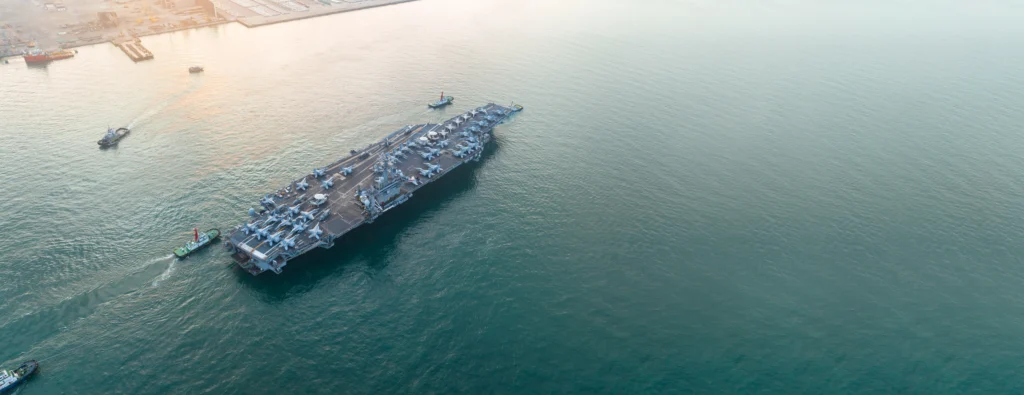
One of the most notable aspects of Iran’s announcement is the explicit exclusion of the United States and Israel from transiting the Strait of Hormuz. This decision reflects the heightened tensions between Iran and these two nations, both of which have been involved in regional military operations and strategic initiatives that Iran views as threatening.
By excluding the U.S. and Israel, Iran sends a clear message about its geopolitical stance and its willingness to assert control over the waterway. While commercial vessels from other nations are still permitted to pass, this selective restriction has drawn international attention, raising concerns about potential escalation. Analysts warn that any misstep in this delicate situation could trigger military confrontations or economic disruptions, with global implications.
The exclusion also has symbolic significance. It represents Iran’s assertion of sovereignty over its territorial waters and its ability to influence strategic global trade routes. At the same time, it challenges the naval and diplomatic strategies of the U.S. and Israel, potentially complicating their operations and planning in the Persian Gulf.
Implications for Global Trade and Energy Markets
The Strait of Hormuz is essential to global energy markets, and any changes to its accessibility can have immediate economic consequences. Even though Iran’s announcement allows most nations to transit, the explicit exclusion of two major powers and the ongoing regional tensions have already contributed to market uncertainty. Oil prices may fluctuate in response to perceived risks, and companies may adjust shipping routes or insurance policies to mitigate potential hazards.
Energy-importing countries, particularly those heavily reliant on Middle Eastern oil, are closely monitoring the situation. Any disruption in the strait could lead to supply shortages, increased fuel costs, and the need for alternative arrangements, such as rerouting shipments through longer maritime paths or relying on storage reserves. The announcement also emphasizes how geopolitical disputes can directly impact the global economy, illustrating the interconnectedness of energy security and international politics.
Moreover, the situation highlights the importance of diplomatic engagement and conflict prevention. Nations that depend on the Strait of Hormuz for energy shipments must balance economic interests with security concerns, often requiring careful coordination with regional powers, maritime organizations, and international allies.
Regional Security and Diplomatic Considerations
Iran’s decision reflects a complex balance between asserting regional power, protecting national interests, and mitigating international backlash. By keeping the strait open for most nations, Iran avoids a total blockade that could provoke severe diplomatic and economic consequences. Yet, by restricting the U.S. and Israel, it signals a strong stance on national security and sovereignty.
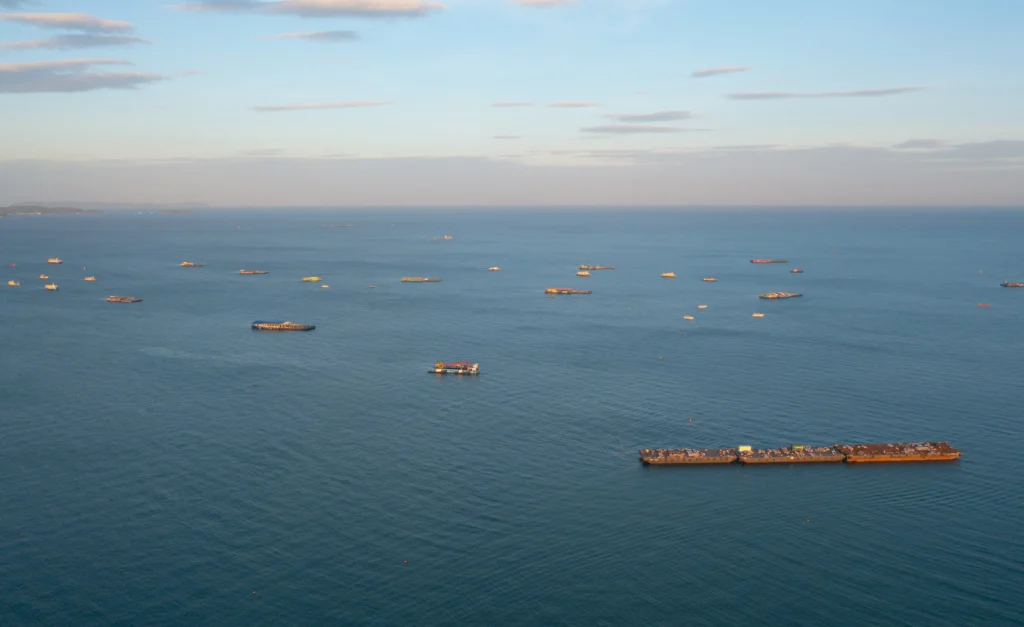
The situation underscores the fragile nature of security in the Persian Gulf. Naval forces, diplomatic channels, and international organizations must work together to prevent escalation and ensure safe passage for commercial traffic. Effective communication, transparency, and conflict management are critical to avoiding incidents that could spiral into broader confrontations.
Diplomatic efforts in the coming weeks will be closely watched, as the actions of Iran, the United States, Israel, and other regional powers could shape the security dynamics of the Strait of Hormuz for years to come. The balance between maintaining open trade routes and asserting national authority remains delicate and could have lasting implications for global stability.
Conclusion
The Strait of Hormuz remains one of the world’s most strategically important waterways. Iran’s recent announcement that it is open to all nations except the U.S. and Israel highlights the intersection of geopolitics, regional security, and global trade. While the strait remains operational for most countries, the decision underscores the potential risks and far-reaching consequences of regional tensions.
Global energy markets, shipping companies, and governments around the world continue to monitor developments closely. The situation serves as a reminder that even a narrow waterway can have profound effects on international relations, economic stability, and energy security. How Iran and other nations manage this delicate balance will influence both regional peace and the global economy for years to come.