
The recent news of the death of Nemesio Rubén Oseguera Cervantes, better known as “El Mencho,” the leader of the infamous Jalisco New Generation Cartel (CJNG), has sent shockwaves throughout Mexico and beyond. This pivotal moment in Mexico’s ongoing battle with cartel violence is both a significant blow to one of the most dangerous criminal organizations in the world, and a grim reminder of the continuing violence that affects countless innocent civilians. As the government continues its fight against cartel operations, the aftermath of El Mencho’s death raises several critical questions—what happens next, and will this lead to a safer Mexico or more turmoil?
In this article, we will delve into the details surrounding El Mencho’s death, the rise of CJNG, the immediate repercussions of his killing, and what all of this means for Mexico’s future. If you’re concerned about the safety of tourists or wondering how this tragedy will impact Mexico’s security, keep reading for an in-depth look at the situation.
The Killing of El Mencho: What We Know So Far
On February 22, 2026, a well-coordinated military operation by Mexican authorities led to the death of Nemesio Oseguera Cervantes, the feared leader of CJNG. The operation, carried out by elite forces in Tapalpa, a small town in Jalisco, was part of Mexico’s ongoing effort to combat cartel violence that has plagued the nation for years.
El Mencho had been on the run for over a decade, one of the most wanted men in Mexico. He commanded one of the largest and most ruthless criminal organizations in the country. Under his leadership, CJNG became notorious for its violent tactics, which included bombings, assassinations of public officials, and attacks on law enforcement.
Despite the heavy security surrounding his operations, El Mencho’s cartel was highly successful, primarily through its involvement in drug trafficking, extortion, kidnapping, and money laundering. His cartel is particularly infamous for trafficking fentanyl and methamphetamines into the United States, significantly contributing to the opioid crisis.
The Aftermath: Retaliation and Rising Violence
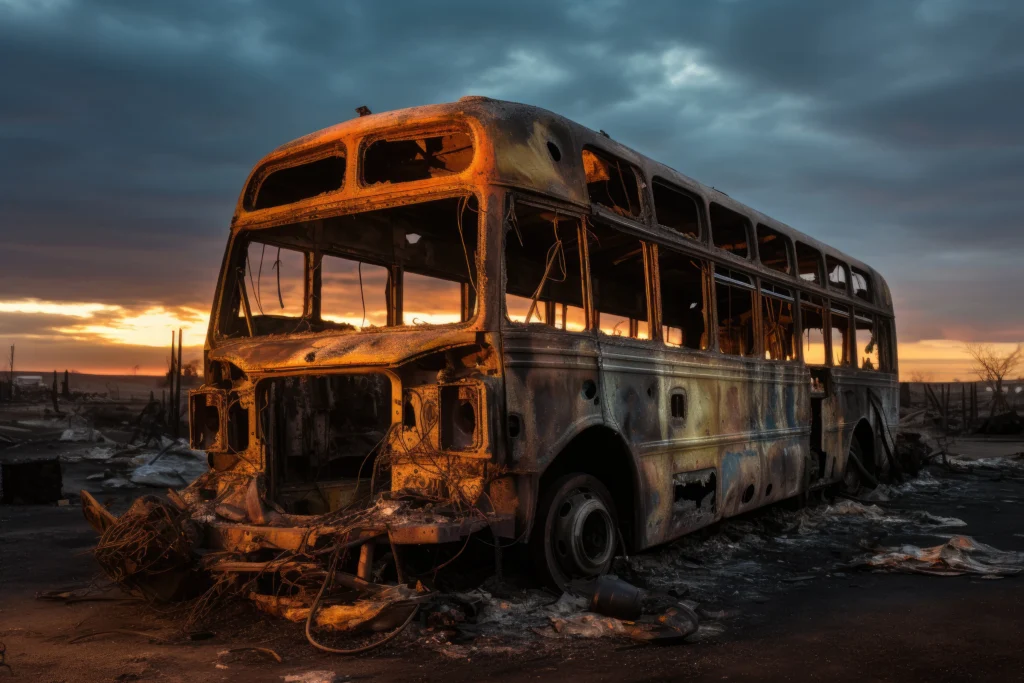
Following news of El Mencho’s death, violence erupted across Mexico, particularly in regions where CJNG had a strong presence. Road blockades, vehicle burnings, and shootouts between cartel members and law enforcement have been reported in multiple states, including Jalisco, Michoacán, and Guerrero.
The immediate aftermath of the killing led to chaos, as rival factions within the cartel began fighting for control, leading to escalating violence. Security forces were forced to deploy additional troops to control the situation, while citizens, especially in cartel-heavy regions, were left feeling vulnerable and uncertain.
This kind of violent retaliation is common after the death of a cartel leader, as power vacuums often result in bloody struggles for control of criminal operations.
CJNG: Mexico’s Most Dangerous Cartel
The Jalisco New Generation Cartel (CJNG), led by El Mencho, has been one of Mexico’s most powerful and violent criminal organizations. Established in the early 2000s, the cartel initially grew by leveraging alliances with other drug trafficking groups, but El Mencho’s leadership quickly elevated the organization to new heights.
Under his control, CJNG became known for its ruthlessness and military-style tactics, which included ambushes on police forces, targeted killings of public officials, and intense violence toward rival cartels. The cartel’s rise is linked directly to its involvement in the methamphetamine and fentanyl trade, with the drugs flooding not only the U.S. market but also impacting Mexico’s internal security.
CJNG’s international operations have extended beyond just drug trafficking, involving other illicit activities such as human trafficking, illegal logging, and extortion of local businesses. These operations have had a devastating effect on the local economies of areas where the cartel holds power, leaving communities in fear and uncertainty.
The Cartel’s Global Reach
CJNG has established itself as an international criminal network, engaging in trafficking across Mexico’s borders to the United States, Canada, and beyond. The cartel’s leadership has made significant profits by producing methamphetamine and fentanyl, two drugs that have been widely linked to the opioid epidemic in the U.S.
The U.S. government had placed a $15 million bounty on El Mencho’s head, signaling the high level of cooperation between the two countries in combatting the cartel’s operations. The cartel’s global reach and influence have made it one of the most significant threats to international security.
Immediate Consequences of El Mencho’s Death
While the death of El Mencho is seen as a significant blow to the CJNG, experts warn that his demise could lead to an escalation of violence in Mexico. As often happens when a prominent cartel leader is killed, rival factions will fight to fill the power vacuum left behind, which could result in even greater instability and bloodshed.
Increased Violence Across Mexico
Within hours of the announcement of El Mencho’s death, violent confrontations were reported in several cities. Cartels and criminal organizations that were once under CJNG’s control may now seek to seize territories or challenge CJNG loyalists in a bid to assert dominance.
In addition to these internal struggles, rival cartels such as Sinaloa and Los Zetas are likely to attempt to capitalize on the power shift in the cartel world. These groups, although not as dominant as they once were, have the resources and manpower to instigate a wave of violence that could affect cities, towns, and tourist hotspots.
Terrorizing Civilian Populations
For the people living in cartel-dominated regions, this kind of violence can be terrifying. The lives of ordinary citizens are disrupted daily by extortion, kidnapping, and the fear of crossfire. The violence often leads to displacement of entire communities, who are forced to leave their homes in search of safety.
The Mexican government, although making efforts to combat cartel violence, has faced challenges due to corruption, lack of resources, and bribery within law enforcement. These factors allow cartels to maintain a degree of control over vast territories, even in the face of military intervention.
What’s Next for Mexico? Can the Cycle of Violence Be Broken?
The question on everyone’s mind is whether Mexico can break the cycle of cartel violence or if this tragedy will simply lead to more bloodshed. While the death of El Mencho is a significant step, it is far from the end of the violence. Here’s why:
The Need for Reform in Mexico’s Security Forces
One of the key challenges to ending cartel violence is Mexico’s own corruption problem. The fact that cartels can infiltrate law enforcement agencies at all levels means that even when arrests are made or leaders are killed, the problem persists.
Reforms are desperately needed within Mexico’s police and military forces. Mexico must create accountability systems to ensure that corrupt officers are removed and replaced with individuals who have the integrity to combat criminal organizations effectively.
Addressing the Root Causes of Cartel Power
The long-term solution to Mexico’s cartel problem must address the root causes of cartel power: poverty, lack of opportunity, and weak governance. Cartels thrive in regions where local governments are either too weak to fight back or are actively complicit in cartel activities.
Investing in education, economic development, and community programs could help break the hold of cartels in many areas. However, such changes would require significant resources and time—something Mexico’s government has struggled to provide in the face of ongoing violence.
Conclusion: A Long Road Ahead
The death of El Mencho, one of Mexico’s most dangerous cartel leaders, is undoubtedly a significant development in the ongoing struggle against organized crime. However, as the Jalisco New Generation Cartel and other criminal organizations continue to wield power, Mexico’s road to peace is far from clear.
The question remains: can the government create the conditions for lasting peace, or will the cycle of violence continue to plague the country? Only time will tell, but for now, Mexico remains on the frontlines of a battle against some of the world’s most dangerous criminal organizations.
This article provides a comprehensive understanding of El Mencho’s death and its implications for Mexico’s ongoing fight against cartel violence. With continued vigilance from both local governments and international partners, there may still be hope for breaking the cycle of violence. Keep following the latest developments, and stay safe if you are traveling in affected areas.
Table of Contents
US tourists stranded in Mexico amid ‘really scary’ cartel violence | CNN
Lake Tahoe Avalanche: Skiers Missing, Rescues Underway – trendsfocus