
A moment that made you stop scrolling—and start questioning
You probably remember where you were when you first heard it. A headline so unexpected it felt unreal, yet serious enough to demand attention. The idea that the United States might buy Greenland wasn’t framed as satire—it was presented as a genuine proposal. In that instant, politics felt less distant and more personal, because it asked you to reassess what leadership, diplomacy, and strategy look like in a rapidly changing world.
Years later, Trump’s Greenland Controversy still lingers. Not as a punchline, but as a case study in how one unconventional move can ripple across domestic politics, international relationships, and electoral strategies. As 2026 approaches, the controversy is resurfacing—not because it might happen again in the same form, but because of what it reveals about power, communication, and voter trust.
This article helps you understand why the controversy still matters, how it reshaped political narratives, and what it could mean for you as a voter looking ahead to 2026.
What was Trump’s Greenland Controversy?
To grasp the fallout, you need to understand the spark.
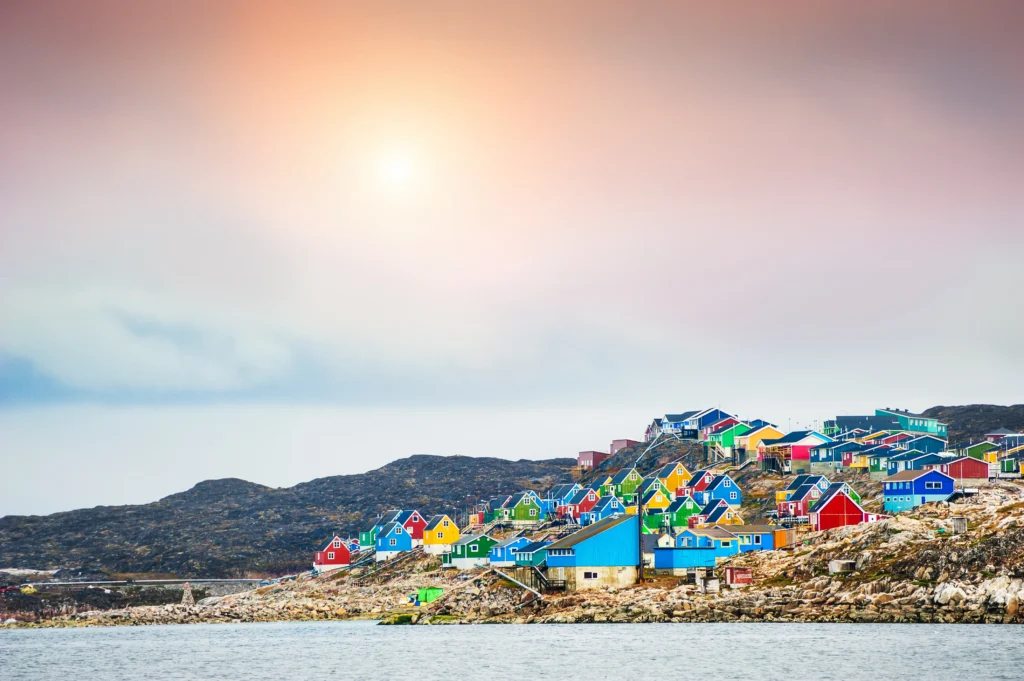
Trump’s Greenland Controversy began when the idea of purchasing Greenland—an autonomous territory within the Kingdom of Denmark—entered public discussion. While territorial acquisitions are not new in U.S. history, the way this proposal surfaced caught nearly everyone off guard.
The origin of the controversy
At its core, the proposal raised eyebrows because:
- Greenland is not for sale in any traditional sense
- Denmark and Greenland both emphasized sovereignty and autonomy
- The idea was shared publicly before diplomatic groundwork was visible
What made this moment explosive wasn’t just what was suggested, but how it was communicated. Diplomatic initiatives typically unfold quietly. This one arrived loud, fast, and without context—leaving room for confusion and criticism.
Why it captured global attention
The proposal landed at the intersection of geopolitics, media culture, and public perception. It:
- Challenged diplomatic norms
- Sparked reactions from allied governments
- Became a fixture in global media cycles
For you as a reader, this matters because it shows how quickly a single statement can evolve into a lasting political narrative.
Domestic political reaction to Trump’s Greenland Controversy
Inside the United States, the response was immediate and divided.
Lawmakers react across party lines
Members of Congress responded in different ways:
- Some dismissed the proposal as unserious
- Others defended the strategic interest behind it
- Several questioned the diplomatic process involved
This split response added fuel to an already polarized environment. Instead of settling the issue, it amplified debate about leadership style and foreign policy priorities.
Public opinion and voter perception
Public reaction followed familiar lines:
- Supporters viewed the idea as bold thinking
- Critics saw it as reckless or embarrassing
- Undecided voters questioned judgment and credibility
For many voters like you, the controversy wasn’t about Greenland alone. It became shorthand for a broader question: What kind of leadership do you want guiding international decisions?

International fallout of Trump’s Greenland Controversy
While domestic debate was loud, the international response carried long-term consequences.
Impact on U.S.–Denmark relations
Denmark’s response was firm and public. Officials emphasized:
- Greenland’s autonomy
- Respect for sovereignty
- The importance of diplomatic norms
This created visible tension between long-standing allies. Even after formal relations stabilized, trust required rebuilding.
Greenland’s response and self-determination
Greenlandic leaders used the moment to assert:
- Political autonomy
- Cultural identity
- Resistance to being treated as a bargaining asset
For you, this highlights a critical shift in global politics: smaller regions and autonomous territories are increasingly vocal about their place on the world stage.
Why Greenland matters strategically
To understand why the idea emerged at all, you need to look beyond headlines.
Greenland’s geopolitical importance
Greenland holds strategic value because of:
- Its location in the Arctic
- Proximity to key shipping routes
- Military positioning opportunities
- Access to rare earth minerals
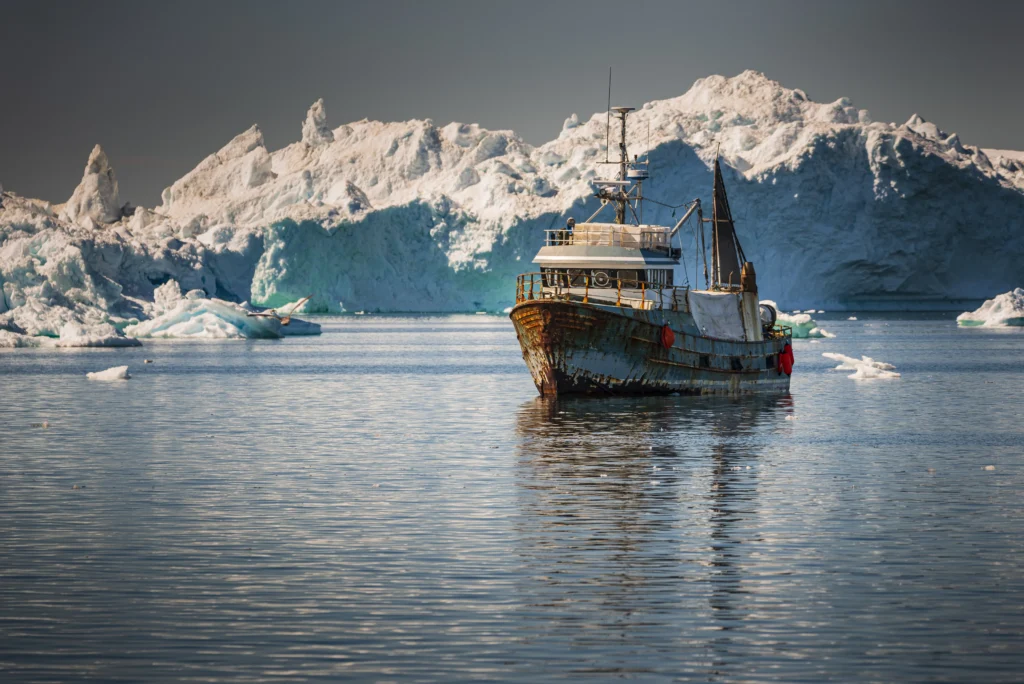
As climate change reshapes the Arctic, interest in the region is growing—not just from the U.S., but from global powers.
Strategy versus communication
Many analysts agree that strategic interest in Greenland is not new. What changed was the delivery. The controversy shows how even sound strategic ideas can fail when communication misfires.
Media framing and the life of political narratives
The way Trump’s Greenland Controversy was covered shaped its longevity.
How media amplified the moment
News outlets focused on:
- The novelty of the proposal
- Diplomatic reactions
- Political satire and commentary
This framing turned a policy discussion into a cultural reference point. Once that happens, nuance becomes harder to recover.
Why the controversy didn’t fade
Some political moments disappear quickly. This one didn’t because it:
- Symbolized unconventional leadership
- Became shorthand for diplomatic disruption
- Was repeatedly referenced in debates and campaigns
For you, this is a reminder that perception often matters as much as policy.
How Trump’s Greenland Controversy influences the 2026 political landscape
As election cycles approach, past controversies resurface with new meaning.
Campaign narratives heading into 2026
You’re likely to hear the controversy used in different ways:
- Supporters framing it as creative geopolitics
- Opponents presenting it as evidence of instability
- Analysts citing it as a turning point in foreign policy tone
The story becomes a tool—not because Greenland is central to 2026, but because the controversy reflects leadership style.
Voter trust and leadership perception
For undecided voters, trust matters. Episodes like this influence:
- Confidence in decision-making
- Perceived respect for allies
- Comfort with unpredictability
As a voter, you may not agree on policy—but you’ll likely assess competence and judgment.
Lessons modern politics can’t ignore
Beyond elections, Trump’s Greenland Controversy offers lasting lessons.
Diplomatic communication in a digital age
Foreign policy now unfolds in real time. That means:
- Messaging spreads instantly
- Allies respond publicly
- Mistakes are amplified
This environment rewards clarity and punishes improvisation.
Institutional limits and safeguards
The controversy highlighted:
- The role of diplomatic institutions
- Checks on executive proposals
- The importance of process
For you, it reinforces why systems—not just personalities—matter in governance.
Why this controversy still resonates with voters
Political memory isn’t always logical, but it is powerful.
Symbolism over specifics
Many people remember the controversy not for details, but for what it symbolized:
- A break from tradition
- A test of diplomatic boundaries
- A moment of global scrutiny
Symbols endure because they’re easy to recall and hard to reinterpret.
The emotional imprint
Politics is emotional. Moments that provoke surprise, embarrassment, or pride tend to stick. This one did all three, depending on perspective.
FAQ: Trump’s Greenland Controversy explained
What is Trump’s Greenland Controversy?
It refers to the proposal and public discussion around the idea of the United States acquiring Greenland, which sparked diplomatic and political backlash.
Why did Trump want Greenland?
The interest centered on strategic, military, and resource-based considerations tied to the Arctic region.
How did Denmark respond to Trump’s Greenland Controversy?
Denmark firmly rejected the idea, emphasizing sovereignty and diplomatic norms.
Why does Trump’s Greenland Controversy matter for 2026?
Because it influences how leadership style, foreign policy judgment, and credibility are discussed in upcoming political debates.
Could a similar controversy happen again?
Unlikely in the same form—but unconventional proposals will continue to test diplomatic norms in modern politics.
What Trump’s Greenland Controversy reveals about modern leadership
At its heart, the controversy exposes a tension between:
- Populist communication
- Traditional diplomacy
- Media-driven politics
You’re living in an era where leadership is judged not just by outcomes, but by optics, tone, and timing.
Conclusion: what this means for you heading into 2026
Trump’s Greenland Controversy wasn’t a passing distraction. It became a lens through which voters, allies, and analysts evaluate leadership in a complex world. As 2026 approaches, the controversy serves as a reminder that political moments don’t vanish—they evolve.
For you, the takeaway is simple but important: stay informed beyond headlines. Understand context. Question narratives. And recognize how past events shape future choices.
Your call to action
Engage thoughtfully. Discuss the issues that matter to you. Share informed perspectives. And as 2026 approaches, remember that the future of politics isn’t shaped by slogans alone—but by the lessons you choose to remember.
Table of Contents
ICE Shooting in Minneapolis Fuels National Backlash!! – trendsfocus
1 thought on “Trump’s Greenland Controversy:Fallout for 2026”
Comments are closed.