
For thousands of wildlife lovers across the United States and millions of viewers around the world, Jackie was much more than a bald eagle living in the mountains of Southern California. Through a live camera overlooking her nest in Big Bear Valley, she became a familiar presence in people’s homes, offering an intimate look at the challenges, beauty, and unpredictability of life in the wild.
Now, nearly two months after her death, wildlife officials have released important findings that help explain what happened to the beloved eagle. According to the California Department of Fish and Wildlife, a necropsy and additional laboratory testing confirmed that highly pathogenic avian influenza, commonly known as bird flu, was the primary underlying cause of Jackie’s decline.
The findings also revealed a complicated medical condition involving severe stomach ulceration, internal bleeding, anemia, and a serious secondary bacterial infection. Although testing detected a rodenticide in her liver, officials did not identify it as the primary cause of her illness or death.
Jackie died in August 2026 after receiving weeks of intensive veterinary care. Her passing marked the loss of one of California’s best-known wild bald eagles and a bird whose story helped connect people to wildlife conservation in an extraordinary way.
Here is what the latest official report reveals, why the medical findings matter, what is known about her longtime mate Shadow, and how Jackie’s legacy continues to inspire people who care about America’s national bird.
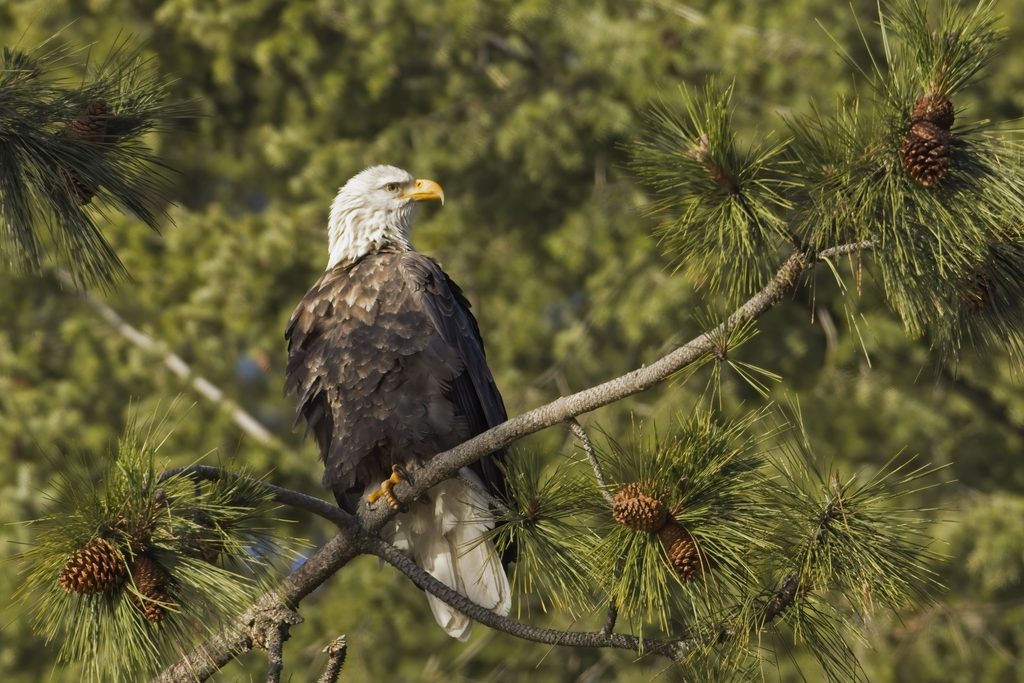
What the Latest Necropsy Reveals About Jackie’s Death
The most significant development came on October 14, 2026, when the California Department of Fish and Wildlife released the results of the necropsy and additional diagnostic testing conducted after Jackie’s death.
The examination was performed by veterinary pathologists at the San Diego Zoo Wildlife Alliance, working alongside the California Department of Fish and Wildlife and the Ojai Raptor Center, where Jackie had received medical treatment.
The investigation identified highly pathogenic avian influenza, or HPAI, as the primary underlying cause of her decline. However, the report also showed that her illness involved several interconnected medical problems rather than a single isolated symptom.
According to the veterinary findings, the infection caused an unusual and severe ulcer in the ventriculus, the muscular portion of a bird’s stomach commonly called the gizzard. The damaged tissue contributed to persistent internal bleeding, which led to severe anemia.
The ulceration also allowed bacteria to enter her body, resulting in bacterial sepsis, a serious condition involving the body’s response to infection. Investigators additionally identified severe inflammation and blood clot formation in the heart and several major blood vessels.
Laboratory testing detected genetic material from the avian influenza virus in multiple tissues, including the ulcerated stomach tissue. These findings helped experts connect the virus to the damage observed during Jackie’s hospitalization.
The results provided an important explanation for why veterinarians had struggled to stabilize her condition despite extensive treatment. Anemia had been one of the most persistent concerns during her care, and the newly released findings helped explain how ongoing internal bleeding and other disease processes contributed to her deterioration.
Toxicology testing also detected brodifacoum, an anticoagulant rodenticide commonly associated with rat poison, in Jackie’s liver. Environmental contaminants were detected as well.
However, officials specifically noted that the necropsy did not identify the uncontrolled bleeding typically associated with anticoagulant rodenticide poisoning. Brodifacoum was therefore not identified as the primary cause of her illness or death.
The examination also ruled out West Nile virus. Heavy-metal levels, including lead, were within acceptable limits and were not associated with the disease progression identified by investigators.
These distinctions matter because the discovery of a contaminant does not automatically establish that it caused an animal’s death. In Jackie’s case, the official findings point to bird flu as the primary underlying cause, alongside multiple severe and interconnected complications.
The results do not diminish the importance of investigating environmental threats to wildlife. Instead, they provide a more complete picture of the medical evidence and help separate confirmed findings from speculation.
For readers following this story, the central takeaway is clear: Jackie’s death followed a complex illness, and the completed diagnostic investigation has given wildlife specialists a much better understanding of what happened.
The official report is available through the California Department of Fish and Wildlife.
How Jackie Became One of America’s Most Beloved Bald Eagles
Jackie’s popularity grew through years of livestreamed footage showing her life in Big Bear Valley, in California’s San Bernardino Mountains. The nonprofit Friends of Big Bear Valley installed a camera overlooking the nest in 2015, allowing people to watch the eagles during nesting seasons.
Unlike wildlife documentaries that capture selected moments and present them later, a live nest camera allows viewers to witness events as they unfold. The experience can be unpredictable. Some days bring quiet periods of incubation, while others reveal powerful storms, territorial disputes, feeding behavior, and the demanding work of raising eaglets.
Jackie and her longtime mate, Shadow, became the center of this remarkable window into the natural world.
Their story offered viewers an opportunity to see the everyday realities of bald eagle life without disturbing the birds. People could observe how the pair maintained their nest, responded to changing weather, and cared for their young.
Jackie was particularly memorable for her persistence during difficult conditions. In February 2024, viewers watched as she remained on her eggs through a major winter storm that covered the nest in snow. The episode became one of the defining moments in the eagle’s online story, illustrating the extraordinary demands of incubating eggs in a wild mountain environment.
Over time, the livestream attracted a devoted international audience. Viewers returned season after season, following the pair’s successes and disappointments with a level of emotional investment rarely associated with individual wild animals.
Jackie’s importance also extended beyond online popularity. Her life represented a broader conservation success story involving the American bald eagle.
In summer 2012, Jackie became the first documented bald eagle chick hatched in Big Bear Valley, according to California wildlife officials. Her life and subsequent nesting history became part of a larger story about the recovery of a species that had once faced severe population declines.
During the 20th century, widespread use of the pesticide DDT damaged bald eagle reproduction, while habitat loss, persecution, and other human pressures created additional challenges. Restrictions on DDT and stronger wildlife protections helped populations recover.
Bald eagles were removed from the federal endangered species list in 2007, although they remain protected under federal law and continue to face environmental threats.
Jackie’s story made those conservation issues personal for many viewers. Rather than reading only about population numbers or government policies, people could follow an individual eagle’s life and observe the responsibilities that come with raising young in the wild.
That connection is part of what made news of her illness so difficult for her audience. People had watched her through multiple nesting seasons and developed a strong attachment to the bird and the landscape she inhabited.
Her death is a reminder that wildlife recovery does not eliminate every danger. Even a resilient adult eagle living in a protected environment can face infectious disease and other medical challenges that cannot always be overcome.
Jackie’s Final Weeks, Veterinary Treatment, and Bird Flu Concerns
Jackie’s final chapter began when she was found grounded near Big Bear Lake in July 2026 and brought into wildlife care. The California Department of Fish and Wildlife reported that she entered the Ojai Raptor Center’s care on July 18.
Initial examinations identified several concerning abnormalities, including dehydration, low body weight, severe anemia, low blood protein, and kidney and lung abnormalities.
Veterinary staff began intensive treatment, including fluids, oxygen therapy, nutritional support, and round-the-clock monitoring. As her condition developed, specialists worked to determine why she was experiencing such significant health problems.
On July 22, Jackie received a blood transfusion using donor blood from Spirit, an ambassador bald eagle at the California Living Museum in Bakersfield. The treatment was intended to help stabilize her anemia.
Although she showed temporary improvement, her blood values later declined again. Additional diagnostic procedures included advanced imaging, a bone marrow biopsy, and testing for heavy metals and other possible causes of her illness.
Veterinarians also identified blood clots affecting her wing and an area near one kidney. Despite extensive treatment and consultations with specialists, Jackie’s condition continued to deteriorate. She died in August while receiving care at the Ojai Raptor Center.
The final necropsy results now provide a clearer explanation for the combination of symptoms that challenged her caregivers. The bird flu infection, severe stomach ulceration, internal blood loss, anemia, and secondary bacterial infection formed a complicated chain of medical problems.
Highly pathogenic avian influenza is an infectious disease that has circulated among wild bird populations in the United States. Waterfowl and shorebirds are natural hosts for avian influenza viruses, while eagles and other birds of prey may be exposed through contact with infected birds or by consuming infected prey.
The discovery of HPAI in Jackie is significant because it highlights the risks that infectious diseases can pose to wild raptors. Eagles occupy an important position in the food web, and their feeding behavior can expose them to pathogens carried by other birds.
However, Jackie’s case should not be interpreted as proof that every bald eagle in Big Bear Valley is infected. Wildlife officials reported no evidence, based on available camera data, that Shadow or the eaglets were sick.
The case also illustrates why wildlife rehabilitation can involve uncertainty. Animals admitted with severe symptoms may have several underlying conditions, and some diagnoses become clear only after extensive testing or a postmortem examination.
Jackie’s caregivers continued working to identify and treat her medical problems, even when the cause remained uncertain. The final results have helped explain the course of her illness and may provide useful information for professionals treating other birds with similar symptoms.
Her remains were cremated through the U.S. Fish and Wildlife Service’s National Eagle Repository under established procedures intended to prevent transmission of highly pathogenic avian influenza.
While many people had hoped for a different outcome, the investigation has delivered answers that were unavailable during her final weeks.
What Happens to Shadow, and How Jackie’s Legacy Lives On
Jackie’s death leaves an emotional void for the people who followed her life, but her longtime mate, Shadow, remains in Big Bear Valley.
According to the California Department of Fish and Wildlife, officials have no evidence from camera data that Shadow or the eaglets were sick. That is an important distinction: it indicates that no signs of illness were documented in those birds through the available observations, but it should not be treated as a guarantee about their future health.
Shadow’s behavior and the activity around the nest will continue to attract attention from viewers who have followed the pair for years. Reports have also noted that another female eagle, known as KD1 and referred to by some viewers as Katie or Kaydee, has been seen near Shadow.
What that means for Shadow’s future is not yet certain. Bald eagles form breeding partnerships, but observers should avoid assuming that sightings alone establish the nature or permanence of a new relationship.
For now, the most respectful approach is to allow the birds to live undisturbed while following updates from trusted wildlife observers and conservation organizations.
Jackie’s legacy extends well beyond the nest camera. Her story helped introduce people to bald eagle behavior, wildlife rehabilitation, and the challenges involved in protecting wild animals. It also demonstrated the power of technology to connect people with nature without requiring direct contact with the animals themselves.
For some viewers, watching Jackie and Shadow may have been their first sustained experience of a wild eagle’s life. They learned that nature is not always dramatic or predictable. It includes long periods of waiting, difficult weather, failed nesting attempts, territorial conflict, and the constant demands of survival.
Those lessons are valuable because conservation depends not only on laws and scientific research but also on public understanding and support.
The findings surrounding Jackie’s death also reinforce the importance of responsible environmental practices. Wildlife can be affected by infectious diseases, habitat changes, contaminants, and other pressures. Investigating these threats requires careful scientific work rather than assumptions based on a single test result.
Although rat poison was detected in Jackie’s liver, officials did not identify it as the primary cause of death. The discovery nevertheless underscores why toxic substances in the environment deserve attention and why accurate interpretation of veterinary evidence is essential.
People who want to honor Jackie can support reputable wildlife rehabilitation centers, protect local habitats, follow guidance about reporting injured wildlife, and avoid approaching or handling sick wild birds. Anyone who finds a potentially ill or dead wild bird should contact the appropriate wildlife agency rather than attempting to handle it.
The Friends of Big Bear Valley livestream remains a way for viewers to learn about the eagles and their environment. The Ojai Raptor Center’s patient page also documents Jackie’s medical journey and the work undertaken to care for her.
Ultimately, Jackie’s story is both a personal loss for her many followers and a reminder of the importance of science-based wildlife conservation. The official findings have answered a central question about her death, while leaving room for continued learning about avian influenza and the challenges facing wild birds.
Final thoughts: Jackie, the beloved Big Bear bald eagle, died in August 2026 after a complicated illness in which highly pathogenic avian influenza was identified as the primary underlying cause. Her necropsy revealed severe stomach ulceration, internal bleeding, anemia, and secondary bacterial sepsis. Although rodenticide was detected in her liver, it was not identified as the primary cause of death. Shadow remains in Big Bear Valley, and officials have reported no evidence that he or the eaglets were sick based on camera data. Jackie’s story continues to remind people across America why protecting wildlife and understanding the science behind conservation matter.
This article is based on information available as of October 15, 2026, including the California Department of Fish and Wildlife’s October 14 report. Future wildlife updates may provide additional information.
Table of Contents
appened on the Goliath Roller Coaster at Six Flags Over Georgia? – trendsfocus
Cause of death for Jackie the bald eagle revealed; she’s been cremated – Los Angeles Times