
Cuba is preparing for one of the most significant economic transformations in its modern history. In a move that would have been unthinkable just a few years ago, the Communist Party has approved a sweeping package of free-market reforms designed to address the island’s worsening economic crisis and stimulate growth.
The reform package, which has been submitted to the National Assembly and is widely expected to pass, introduces measures that could fundamentally reshape Cuba’s economy. Among the proposed changes are expanded opportunities for private enterprise, greater access for foreign investors, the potential development of private real estate projects, and even the introduction of private banks into a financial sector that has long been dominated by the state.
The announcement comes at a critical moment for Cuba. The country is facing severe economic difficulties, including inflation, shortages of basic goods, fuel scarcity, and frequent power outages. While Cuban leaders continue to criticize the long-standing U.S. trade embargo, President Miguel Díaz-Canel has also acknowledged that internal inefficiencies and bureaucratic obstacles have contributed significantly to the country’s economic struggles.
As Cuba seeks new solutions, these reforms signal a dramatic shift in policy and raise important questions about the future of socialism, private enterprise, and economic development on the Caribbean island.
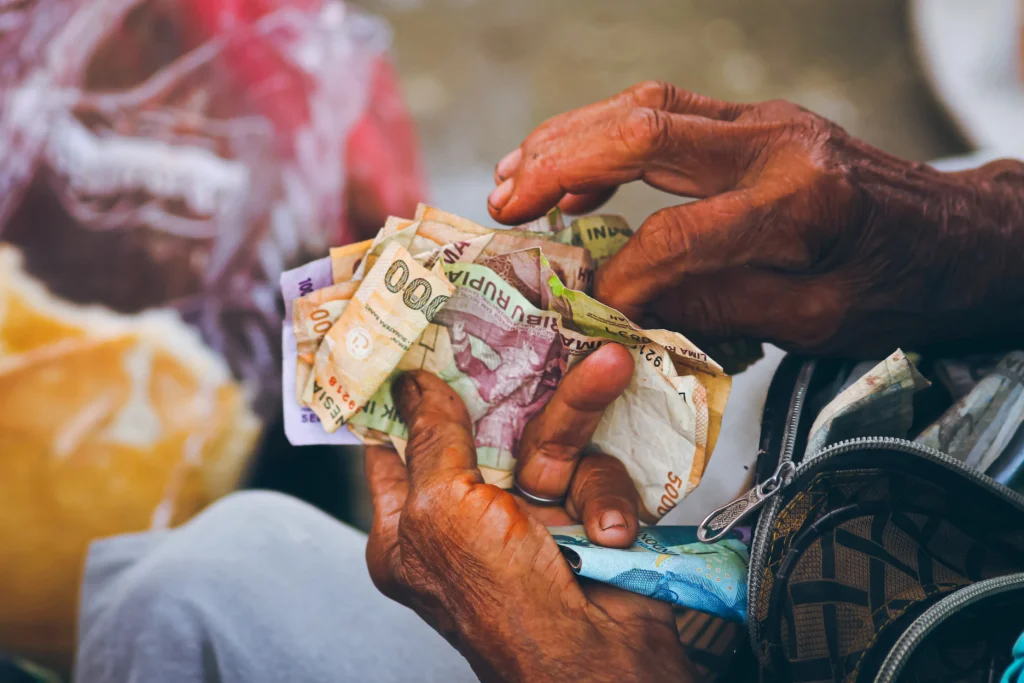
Why Cuba Is Turning Toward Market-Oriented Reforms
For decades, Cuba has maintained one of the world’s most centralized economic systems. Following the Cuban Revolution in 1959, much of the economy came under state control, with government institutions overseeing key industries, banking, housing, and commerce.
While this model provided certain social benefits, including universal healthcare and education, it has also faced persistent economic challenges. Productivity has remained low in many sectors, investment has lagged behind regional competitors, and state-owned enterprises have often struggled with inefficiency.
The situation has become increasingly difficult in recent years. The COVID-19 pandemic severely affected tourism, one of Cuba’s primary sources of foreign currency. At the same time, global inflation, supply chain disruptions, and energy shortages created additional pressure on the economy.
The United States embargo has also continued to limit Cuba’s access to international markets and financial resources. More recently, additional restrictions and measures affecting fuel deliveries have further complicated the country’s economic outlook.
However, President Díaz-Canel has made it clear that external pressures are not the only cause of the crisis. During a meeting of the Communist Party’s Central Committee, he openly acknowledged the role of domestic problems.
According to the president, excessive bureaucracy, slow decision-making, outdated regulations, and barriers that discourage production have contributed significantly to the country’s current economic difficulties. His remarks represented a rare public admission that internal reforms are necessary if Cuba hopes to achieve sustainable growth.
“The situation calls for urgent and necessary changes,” Díaz-Canel stated, highlighting the growing consensus within the government that economic modernization can no longer be postponed.
Key Measures Included in the Reform Package
The newly approved reform package contains several groundbreaking measures that could significantly alter the structure of the Cuban economy.
One of the most important changes is the expansion of opportunities for private businesses. Entrepreneurs are expected to gain greater freedom to operate and invest in sectors that were previously dominated by state institutions. This could encourage innovation, create jobs, and increase the availability of goods and services throughout the country.
Another major component of the package focuses on attracting foreign investment. Cuban authorities hope that new incentives will encourage international companies to invest in local industries and infrastructure projects. The reforms may also allow Cubans living abroad to invest directly in the country’s economy, creating a new source of capital and economic activity.
Perhaps one of the most surprising proposals is the possibility of private real estate development. For decades, the state has maintained extensive control over housing and property-related activities. The introduction of private development projects could stimulate construction, improve housing availability, and attract additional investment.
The reforms also envision a transformation of state-owned enterprises. Instead of remaining entirely government-controlled, some businesses may be converted into commercial ventures with shares and equity participation. This model could allow private investors to acquire stakes in formerly state-run companies while improving efficiency and accountability.
Another landmark measure involves the financial sector. The package would allow private banks to enter the Cuban market, ending decades of state dominance in banking services. Supporters argue that increased competition and improved access to financing could benefit entrepreneurs, businesses, and consumers alike.
Taken together, these measures represent a significant departure from traditional economic policies and suggest that Cuban leaders are willing to experiment with market mechanisms in ways previously considered politically sensitive.
Potential Benefits for Cuba’s Economy
Supporters of the reforms believe they could generate substantial economic benefits and help address some of the country’s most pressing challenges.
One potential advantage is increased economic growth. By encouraging private investment and entrepreneurship, Cuba could create new opportunities for businesses to expand and hire workers. A more dynamic private sector may help boost productivity and generate higher levels of economic activity.
Foreign investment could provide another important source of growth. International investors often bring not only capital but also technology, expertise, and access to global markets. These resources could help modernize industries ranging from tourism and manufacturing to agriculture and renewable energy.
The reforms may also improve the availability of goods and services. Many Cubans have experienced shortages of essential products in recent years. Greater private-sector participation could increase production and distribution efficiency, helping to reduce supply constraints.
Housing is another area where reform could have a significant impact. Private real estate development may encourage new construction projects and investments in existing properties, potentially easing housing shortages and improving living conditions.
The introduction of private banks could further support economic activity by expanding access to credit. Small businesses, entrepreneurs, and consumers often require financing to invest, grow, and make purchases. A more competitive banking sector may help meet these needs more effectively.
Finally, the reforms could strengthen Cuba’s integration into the global economy. By creating a more attractive environment for investors and businesses, the country may be able to develop stronger economic relationships with international partners.
Challenges and Uncertainty Ahead
Despite the optimism surrounding the reforms, significant challenges remain.
One of the biggest questions is how quickly the measures can be implemented. Large-scale economic reforms often require substantial legal, regulatory, and institutional changes. Delays or inconsistencies could reduce investor confidence and limit the effectiveness of the package.
There is also uncertainty regarding how far the government is willing to go in embracing market principles. While the reforms introduce new opportunities for private enterprise, the Communist Party has repeatedly emphasized that socialism will remain the foundation of Cuba’s political and economic system.
Balancing market efficiency with social priorities may prove difficult. Policymakers will need to ensure that reforms do not increase inequality or undermine access to essential public services.
Infrastructure limitations present another obstacle. Reliable electricity, transportation networks, telecommunications systems, and financial institutions are critical for economic development. Continued investment in these areas will be necessary to support long-term growth.
External factors could also influence the outcome of the reforms. U.S. sanctions, global economic conditions, commodity prices, and international investment trends will all play a role in shaping Cuba’s future prospects.
Nevertheless, many observers view the current reforms as the most ambitious economic opening in decades. Their success could determine whether Cuba can overcome its current economic difficulties and build a more prosperous future.
Conclusion
Cuba’s decision to approve a sweeping package of free-market reforms marks a historic moment for the island nation. Faced with a deep economic crisis and growing recognition of domestic inefficiencies, the government is pursuing changes that could transform key sectors of the economy.
From expanding private enterprise and attracting foreign investment to introducing private banks and encouraging real estate development, the reforms represent a significant shift in policy. While challenges remain and the outcome is far from certain, the measures demonstrate a willingness to rethink long-standing economic practices.
As President Miguel Díaz-Canel acknowledged, Cuba’s problems cannot be blamed solely on external pressures. Addressing internal obstacles such as bureaucracy, slow decision-making, and restrictive regulations will be essential for achieving meaningful progress.
The coming years will reveal whether these reforms can deliver the economic revival that many Cubans hope for. What is already clear, however, is that Cuba is entering a new and potentially transformative chapter in its economic history.
Table of Contents
Cuba approves free-market reforms in effort to stave off economic collapse
Why Cuba Is Trump’s Next Target in 2026 Strategy Now – trendsfocus