
Tyra Banks, one of the most recognizable figures in the fashion and entertainment industries, has found herself at the center of a new controversy involving Netflix and a documentary examining the legacy of America’s Next Top Model (ANTM). According to reports, Banks has filed a lawsuit against the streaming giant, alleging defamation and claiming that the documentary manipulated her participation in a way that damaged her reputation.
The lawsuit has sparked widespread discussion about documentary ethics, media responsibility, and the legal protections available to public figures who believe they have been portrayed unfairly. As audiences increasingly revisit older television programs through a modern lens, creators and distributors face growing scrutiny over how they present historical events, interviews, and controversial moments.
The dispute between Banks and Netflix is about more than a single documentary. It highlights the tension between creative freedom and the responsibility to present information accurately, particularly when the reputation of a well-known individual is at stake. As legal proceedings move forward, the case could have significant implications for both the entertainment industry and the documentary genre.
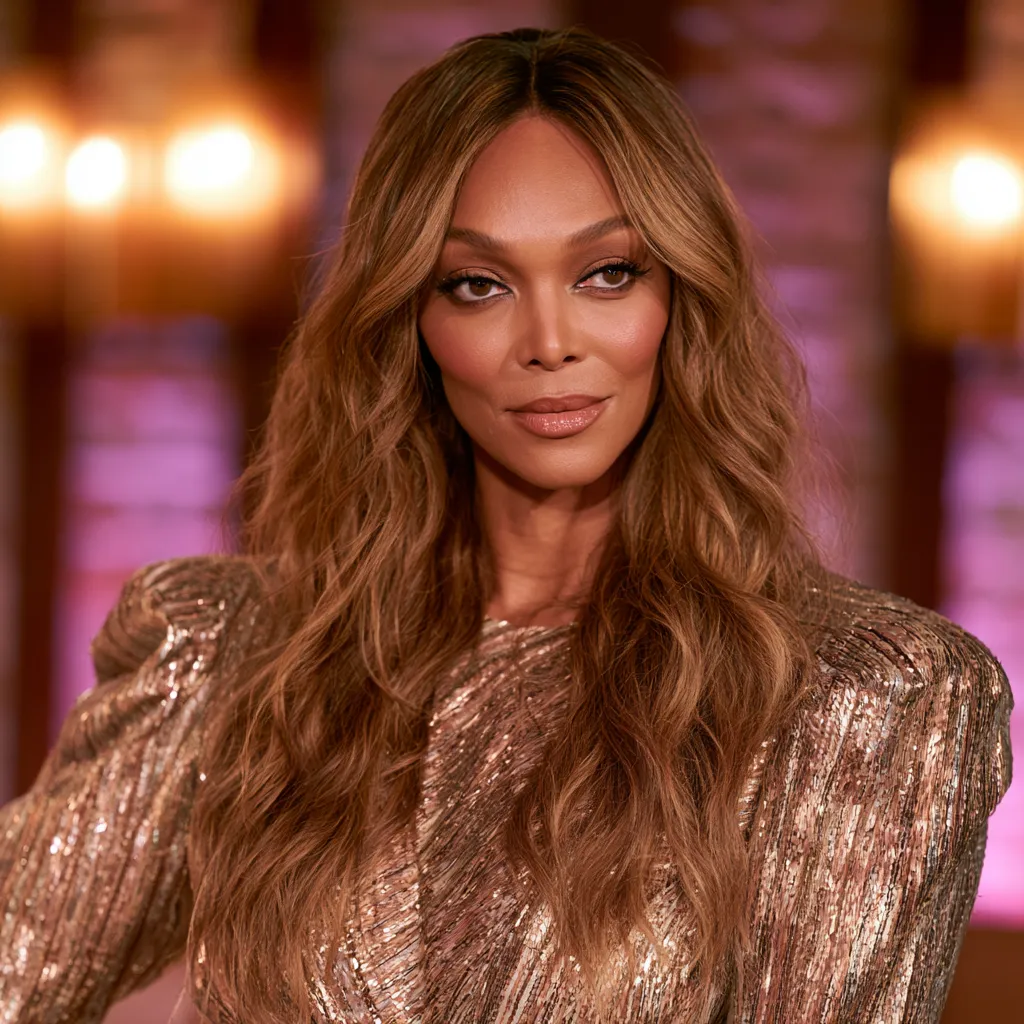
The Background of America’s Next Top Model and Its Cultural Impact
When America’s Next Top Model premiered in 2003, it quickly became one of the most influential reality television programs of its era. Created and hosted by Tyra Banks, the series offered aspiring models the opportunity to compete for a chance to launch professional careers in the fashion industry.
The show was groundbreaking in several ways. It introduced millions of viewers to the world of modeling while promoting diversity in an industry often criticized for its lack of representation. Throughout its run, ANTM featured contestants from various racial, ethnic, and socioeconomic backgrounds, helping to broaden conversations about beauty standards and inclusivity.
For many fans, Banks was the driving force behind the show’s success. As both a successful supermodel and television personality, she brought credibility and charisma to the competition. The series ran for multiple seasons and became a global franchise, inspiring international adaptations around the world.
However, as social attitudes evolved, some aspects of the show came under renewed scrutiny. Certain challenges, judging decisions, and interactions that were widely accepted during the early 2000s have since been criticized by viewers and former contestants. Social media played a significant role in revisiting controversial moments, leading to debates about whether the show reflected problematic industry practices.
This changing cultural context set the stage for documentaries and retrospectives exploring the legacy of ANTM. While such projects aim to provide historical analysis, they also risk generating controversy if participants believe their perspectives have been misrepresented.
Why Tyra Banks Is Suing Netflix
At the heart of the lawsuit are allegations that Netflix presented Banks in a misleading and defamatory manner. According to reports, Banks claims that the documentary manipulated her participation and selectively used footage, interviews, or contextual information to create an inaccurate portrayal.
Defamation lawsuits involving public figures are notoriously difficult to win. In the United States, public figures generally must prove that a false statement was made and that it was published with actual malice, meaning knowledge of falsity or reckless disregard for the truth.
Banks reportedly argues that the documentary crossed the line from criticism into misrepresentation. Her legal team contends that editing choices and narrative framing distorted her role in events connected to the show and contributed to reputational harm.
The lawsuit raises several important questions:
- Can selective editing create a false impression even when individual statements are technically accurate?
- What responsibilities do documentary filmmakers have when presenting interviews and archival footage?
- How should courts evaluate claims involving creative interpretation versus factual reporting?
Supporters of Banks argue that documentaries should strive for fairness and balance, particularly when discussing controversial subjects. They believe that editing decisions can significantly influence how audiences perceive individuals, even without making explicitly false statements.
Critics, however, may contend that documentaries are inherently interpretive works and that filmmakers must have the freedom to present evidence and viewpoints as they see fit. They argue that robust public debate often involves criticism of influential figures and institutions.
The legal process will likely focus on determining whether the documentary simply offered a critical perspective or whether it genuinely crossed into defamatory territory.
The Debate Over Documentary Ethics and Selective Editing
The controversy surrounding Banks’ lawsuit has reignited discussions about ethics in documentary filmmaking. Unlike traditional news reporting, documentaries often rely on narrative structures designed to engage viewers emotionally and intellectually.
Filmmakers make countless editorial decisions, including:
- Which interviews to include.
- How much screen time each perspective receives.
- The order in which information is presented.
- The use of music, visuals, and narration to shape audience interpretation.
These choices can significantly affect how viewers understand a story.
Critics of modern documentaries frequently point to selective editing as a potential source of bias. By emphasizing certain statements while excluding others, filmmakers can create narratives that may not fully reflect reality. Participants sometimes claim that interviews were taken out of context or that their comments were used in ways they did not anticipate.
Supporters of documentary storytelling argue that complete neutrality is impossible. Every film involves editorial judgment, and filmmakers must be allowed to develop coherent narratives. From this perspective, documentaries are not merely collections of facts but works of interpretation.
The challenge lies in balancing storytelling with accuracy.
Recent years have seen several high-profile disputes between documentary subjects and production companies. Some participants have accused filmmakers of misleading editing practices, while others have defended documentaries as legitimate exercises of free expression.
The Banks case could contribute to ongoing discussions about where the boundaries should be drawn. If courts find that editing techniques can constitute defamation under certain circumstances, documentary producers may face increased pressure to document and justify their editorial decisions.
What the Lawsuit Could Mean for Netflix and the Entertainment Industry
Regardless of the outcome, the lawsuit is likely to attract significant attention across Hollywood, the television industry, and the streaming world.
Netflix has become one of the most prominent producers and distributors of documentary content. Its documentaries often tackle controversial topics and feature public figures whose reputations can be affected by how stories are presented. As a result, legal disputes involving documentary projects can have broader implications for the platform’s content strategy.
If Banks succeeds in her claims, the case could encourage other public figures to challenge documentaries they believe are misleading. This might lead streaming services and production companies to adopt stricter review processes before releasing content involving potentially controversial portrayals.
Potential industry impacts include:
Increased Legal Oversight
Production companies may invest more heavily in legal reviews to ensure that documentary narratives can withstand scrutiny and potential lawsuits.
More Transparency With Participants
Filmmakers could become more cautious when conducting interviews and obtaining consent from participants, particularly when discussing sensitive issues.
Changes in Documentary Production Standards
Industry organizations may revisit ethical guidelines and best practices related to editing, context, and participant representation.
Broader Public Discussion
The case may encourage audiences to think more critically about how documentaries are constructed and how storytelling techniques influence perception.
For Tyra Banks, the lawsuit represents an effort to defend her reputation and challenge what she views as an unfair portrayal. For Netflix, it may become another test of the legal protections afforded to creators producing content about public figures and controversial subjects.
As the legal battle unfolds, observers from across the entertainment world will be watching closely. The outcome could shape future conversations about media accountability, documentary ethics, and the rights of individuals whose lives and careers become subjects of public examination.
Conclusion
Tyra Banks’ lawsuit against Netflix has become one of the most talked-about entertainment stories of the year, bringing renewed attention to the complex relationship between documentary filmmaking and personal reputation. While the case centers on allegations of defamation and manipulated participation in an America’s Next Top Model documentary, its implications extend far beyond a single television franchise.
The dispute highlights the challenges of revisiting cultural phenomena through a contemporary lens, particularly when those stories involve influential public figures. As courts examine the claims and defenses presented by both sides, the case may help define how future documentaries balance creative freedom with the obligation to portray subjects fairly and accurately.
Whether the lawsuit ultimately succeeds or fails, it has already sparked an important conversation about media ethics, accountability, and the power of storytelling in shaping public perception. For viewers, creators, and industry professionals alike, the outcome will be worth following closely in the months ahead.
Table of Contents
Tyra Banks Sues Netflix Over America’s Next Top Model Doc
The Truth Behind Erika Kirk and Blake Wynn Relationship Rumors – trendsfocus