
U.S. Energy
The U.S. Department of Energy (DOE) is making headlines on multiple fronts as it seeks to strengthen America’s energy security, support domestic production, and prepare the country for a future marked by rapidly increasing electricity demand. From tapping the Strategic Petroleum Reserve to supporting critical mineral development and advanced nuclear technologies, the agency has unveiled a broad range of initiatives designed to ensure that the United States remains competitive in a changing global energy landscape.
At the same time, the DOE has encountered a significant legal setback. A federal judge recently overturned the department’s decision to cancel $82.1 million in clean energy grants, ruling that the agency did not provide sufficient justification for terminating the funding. The decision has reignited debates about the future of federal clean energy investments and the role government should play in supporting emerging technologies.
These developments come at a critical moment. Energy demand is expected to rise dramatically over the coming years due to the growth of artificial intelligence, data centers, advanced manufacturing, and electrification across multiple sectors of the economy. As a result, policymakers are under increasing pressure to ensure that energy supplies remain reliable, affordable, and secure.
The combination of new DOE initiatives and the court ruling on clean energy funding highlights the complex challenges facing U.S. energy policy in 2026. It also illustrates how the nation’s energy future will likely be shaped by a combination of traditional resources, innovative technologies, and legal and political battles over government priorities.
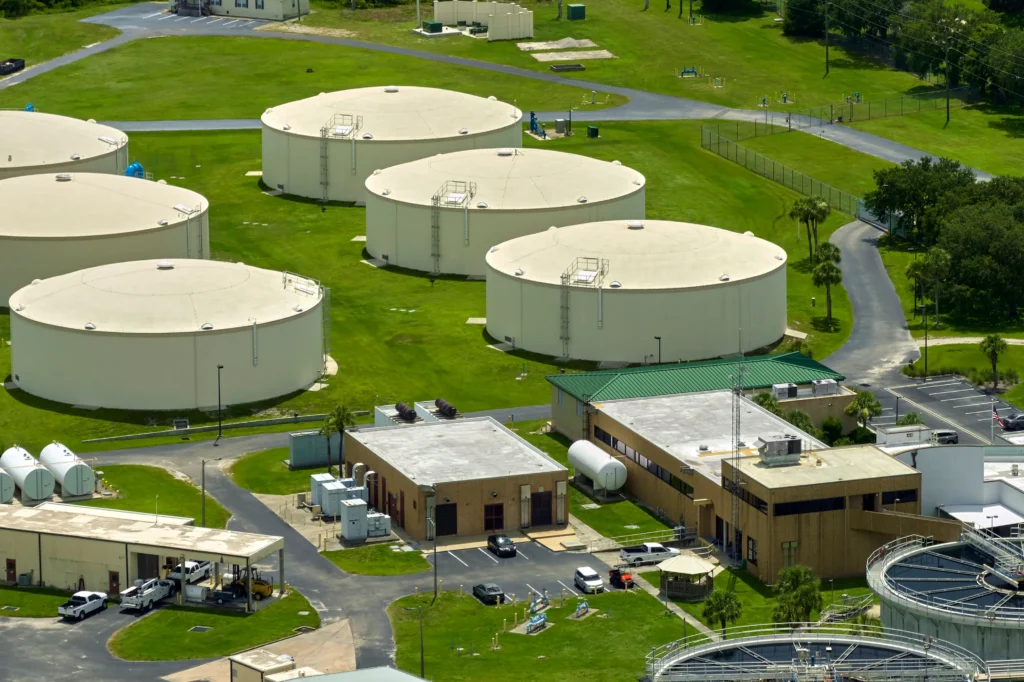
Strategic Petroleum Reserve Remains Central to Energy Security
One of the Department of Energy’s most important recent actions involves the Strategic Petroleum Reserve (SPR), the largest emergency oil stockpile in the world.
The DOE announced that it would make up to 40 million barrels of crude oil available through loan agreements with energy companies. These arrangements allow companies to temporarily access oil supplies during periods of market stress, with the requirement that the borrowed oil be returned later along with additional barrels as compensation.
Officials argue that the policy provides an important safeguard against disruptions in global energy markets. Oil prices remain vulnerable to geopolitical tensions, armed conflicts, production cuts by major exporters, and transportation bottlenecks. Any significant disruption can quickly affect gasoline and diesel prices, impacting consumers and businesses alike.
The Strategic Petroleum Reserve was created in the aftermath of the 1970s oil crises and has served as a critical tool during periods of instability. By maintaining a large emergency stockpile, the federal government can respond to unexpected shortages and help stabilize markets when necessary.
Supporters of the latest move say the loan program offers flexibility without permanently reducing reserve levels. Since companies must eventually return the oil, the policy allows the government to address short-term supply concerns while preserving long-term energy security.
However, some critics argue that the reserve should be used only during genuine emergencies and that the focus should instead be placed on expanding domestic energy production. Others believe that strategic stockpiles remain an essential component of national security, particularly in an increasingly unpredictable global environment.
Regardless of differing opinions, the SPR continues to play a vital role in America’s energy strategy, and its use demonstrates the DOE’s commitment to maintaining stability in energy markets.
Federal Judge Reinstates $82.1 Million in Clean Energy Grants
While the Department of Energy is pursuing new energy security initiatives, it recently faced a major legal defeat involving clean energy funding.
A federal judge overturned the DOE’s decision to cancel $82.1 million in grants that had been awarded to a variety of clean energy projects. The ruling determined that the agency had failed to provide adequate legal justification for terminating the funding.
The grants were intended to support programs related to renewable energy development, energy efficiency improvements, emissions reductions, and innovative clean technology solutions. Many of the projects involved partnerships between research institutions, private companies, local governments, and nonprofit organizations.
The DOE had argued that the grants no longer aligned with its priorities and sought to redirect resources toward other energy initiatives. However, the court found that the department could not simply revoke previously approved funding without following proper legal procedures and providing a sufficient rationale.
The ruling is significant for several reasons. First, it allows the affected projects to continue moving forward, providing certainty for organizations that had planned investments and hiring decisions around the grant funding.
Second, the decision establishes an important precedent regarding the authority of federal agencies. Legal experts note that the ruling reinforces the principle that government agencies must operate within established legal frameworks when making funding decisions.
Supporters of the grants celebrated the decision, arguing that clean energy investments are critical for maintaining technological leadership, creating jobs, and reducing emissions. They contend that stable funding is necessary for innovation and long-term planning.
Opponents, meanwhile, question whether taxpayer dollars should be used to support projects that may not yet be commercially viable. Some argue that market forces rather than government subsidies should determine which technologies succeed.
Despite these disagreements, the court’s decision ensures that tens of millions of dollars in clean energy funding will remain available, highlighting the ongoing importance of renewable energy and clean technology within the broader U.S. energy landscape.
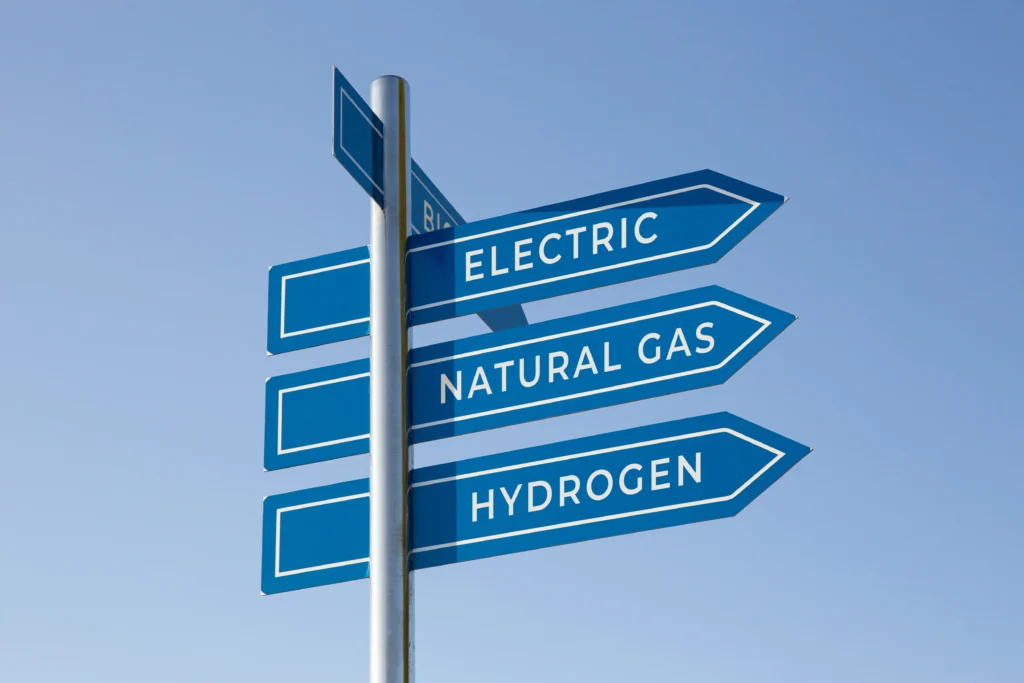
Record Natural Gas Growth Reflects America’s Changing Energy Needs
Another major focus of the Department of Energy is the continued expansion of natural gas production and consumption.
According to recent forecasts, both U.S. natural gas output and demand are expected to reach record levels in 2026. This growth reflects significant changes in the economy and the energy sector.
One of the biggest drivers is the rapid expansion of artificial intelligence and cloud computing. Data centers require enormous amounts of electricity to power servers, cooling systems, and networking equipment. As technology companies continue investing billions of dollars in AI infrastructure, energy demand is expected to increase substantially.
Manufacturing growth is also contributing to rising energy consumption. Efforts to strengthen domestic production of semiconductors, batteries, and advanced technologies are increasing the need for reliable electricity and industrial energy supplies.
Natural gas remains attractive because it offers consistent power generation and can be deployed quickly to meet changing demand. Unlike some renewable energy sources, natural gas plants can operate continuously regardless of weather conditions.
The United States has become one of the world’s leading natural gas producers thanks to technological innovations in drilling and hydraulic fracturing. This abundance has helped lower domestic energy costs while enabling significant exports of liquefied natural gas to allies around the world.
For many policymakers, natural gas serves as a bridge between traditional fossil fuels and lower-carbon energy systems. It provides reliability while renewable energy capacity continues to expand.
Nevertheless, environmental concerns remain an important part of the discussion. Critics point to methane emissions and argue that long-term climate goals require a more rapid transition away from fossil fuels.
The DOE’s approach suggests that natural gas will remain an essential component of the American energy mix for many years, even as investments in cleaner technologies continue.
Critical Minerals and Advanced Nuclear Energy Shape the Future
While debates over oil, natural gas, and clean energy funding continue, the Department of Energy is also investing in technologies and resources that could transform the future of energy production.
One of the department’s priorities is securing domestic supplies of critical minerals. Rare-earth elements and other strategic materials are essential for electric vehicles, batteries, wind turbines, advanced electronics, and military systems.
Historically, the United States has depended heavily on foreign suppliers for many of these resources. This dependence has raised concerns about supply chain vulnerabilities and national security risks.
To address the issue, the DOE has announced support for critical mineral projects in states such as Louisiana and Oklahoma. The goal is to strengthen domestic mining, processing, and manufacturing capabilities while reducing reliance on overseas suppliers.
At the same time, the department continues to support advanced nuclear technology. Recent progress at Idaho National Laboratory has demonstrated the potential of next-generation microreactors, which are significantly smaller and more flexible than traditional nuclear power plants.
Microreactors could provide reliable electricity to remote communities, military installations, industrial facilities, and large data centers. Because they can operate continuously and produce minimal direct emissions, many experts see them as a promising solution for meeting future energy needs.
Advanced nuclear technology could also help address concerns about grid reliability as renewable energy deployment increases. While solar and wind power are expected to play a growing role in electricity generation, nuclear energy can provide stable baseload power when weather conditions are unfavorable.
These investments in critical minerals and advanced nuclear systems illustrate the DOE’s broader strategy of preparing for future challenges rather than focusing solely on immediate energy concerns.

Conclusion
The U.S. Department of Energy is navigating a pivotal period in American energy policy. Through initiatives involving the Strategic Petroleum Reserve, natural gas production, critical mineral development, and advanced nuclear technology, the agency is working to strengthen energy security and prepare for growing demand across the economy.
At the same time, the federal court’s decision to overturn the cancellation of $82.1 million in clean energy grants underscores the continuing importance of renewable energy investments and the legal constraints that government agencies face when attempting to change policy direction.
Together, these developments reveal a broader reality: America’s energy future will not be defined by a single technology or resource. Instead, it will likely involve a diverse mix of oil, natural gas, renewable energy, nuclear power, and advanced technologies supported by both public and private investment.
As energy demand continues to grow and global competition intensifies, the decisions made today by the Department of Energy, lawmakers, courts, and industry leaders will have lasting consequences for economic growth, national security, and technological innovation. The coming years will determine how successfully the United States can balance these priorities while maintaining a reliable, affordable, and sustainable energy system for future generations.
Table of Contents
How Elon Musk Became the World’s First Trillionaire – trendsfocus