
Glioblastoma is one of the most aggressive and deadly forms of brain cancer, affecting thousands of people worldwide every year. Known for its rapid growth and resistance to traditional treatments, glioblastoma has long been considered one of the biggest challenges in modern medicine. Patients diagnosed with this disease often face limited treatment options, difficult recovery journeys, and uncertain outcomes.
However, recent scientific advances are beginning to change the conversation around glioblastoma. Researchers and medical experts are exploring groundbreaking therapies powered by artificial intelligence, immunotherapy, personalized vaccines, and advanced genetic research. These innovations are creating new possibilities for earlier detection, more targeted treatments, and improved survival rates.
Although there is still no definitive cure for glioblastoma, the speed of progress in brain cancer research has accelerated dramatically over the last few years. Clinical trials around the world are producing encouraging results, offering hope to patients, families, and healthcare professionals who have spent decades searching for better answers.
This new wave of medical innovation is not only transforming how scientists understand glioblastoma, but also how future treatments may be developed. As technology and medicine continue to evolve together, experts believe the future of brain cancer care could look very different from what patients experience today.
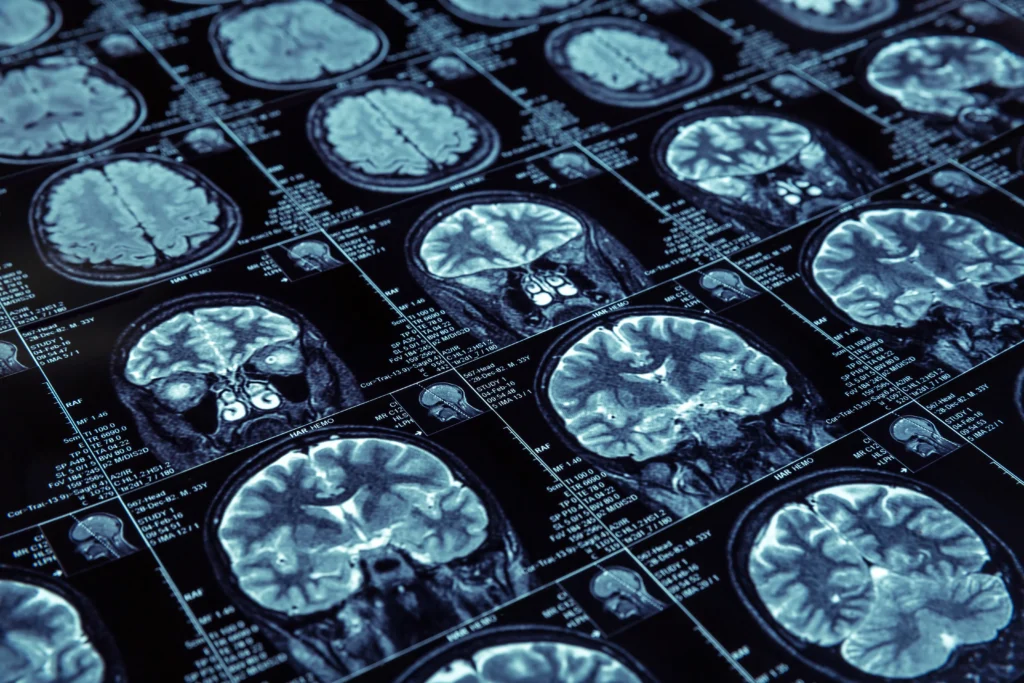
Why Glioblastoma Is One of the Most Dangerous Cancers
Glioblastoma, sometimes referred to as glioblastoma multiforme or GBM, is a fast-growing type of brain tumor that develops from glial cells in the brain. Unlike many other cancers, glioblastoma spreads quickly into surrounding brain tissue, making surgical removal extremely difficult. Even after surgery, small cancer cells often remain behind and continue to grow.
One of the biggest challenges with glioblastoma is its ability to resist treatment. Traditional methods such as chemotherapy and radiation therapy can slow tumor growth temporarily, but the cancer frequently returns. Because the brain controls critical functions such as memory, movement, speech, and emotions, treatment itself can also be highly complex and risky.
Symptoms of glioblastoma may vary depending on the tumor’s location in the brain. Common symptoms include persistent headaches, seizures, memory problems, vision issues, confusion, personality changes, and difficulty speaking. In many cases, symptoms appear suddenly and worsen rapidly.
Another major obstacle is the blood-brain barrier, a protective system designed to shield the brain from harmful substances. While this barrier is essential for human health, it also prevents many medications from reaching brain tumors effectively. As a result, researchers have spent years trying to develop treatments capable of crossing this barrier safely.
Despite these difficulties, medical experts remain determined to improve survival rates and quality of life for patients. Advances in neuroscience, genetics, and biotechnology are now helping researchers better understand how glioblastoma grows, spreads, and evades treatment. This deeper understanding is opening the door to new therapeutic possibilities that once seemed impossible.
New Treatments Are Changing the Future of Glioblastoma Care
In recent years, scientists have introduced several promising approaches that could transform glioblastoma treatment. One of the most exciting developments is immunotherapy, a technique that helps the body’s immune system recognize and attack cancer cells more effectively.
Unlike chemotherapy, which targets both healthy and cancerous cells, immunotherapy aims to specifically target tumors while minimizing damage to surrounding tissue. Researchers are testing different forms of immunotherapy, including immune checkpoint inhibitors, engineered immune cells, and virus-based therapies designed to attack cancer directly.
Personalized cancer vaccines are also generating significant excitement in the medical world. These vaccines are designed using the genetic profile of a patient’s specific tumor, allowing doctors to create customized treatments tailored to each individual. Early studies suggest personalized vaccines may help the immune system identify and destroy glioblastoma cells more effectively than traditional therapies alone.
Artificial intelligence is playing an increasingly important role as well. AI systems can analyze medical scans, patient records, and genetic information faster than humans, helping doctors detect tumors earlier and identify the most effective treatment strategies. AI-assisted research is also accelerating the discovery of new drugs and helping scientists predict how tumors may respond to specific therapies.
Nanotechnology represents another breakthrough area. Researchers are developing microscopic particles capable of carrying drugs directly into brain tumors while crossing the blood-brain barrier. These tiny delivery systems could improve treatment precision and reduce harmful side effects associated with conventional cancer therapies.
In addition, some experimental radiation-based therapies are showing encouraging results in clinical trials. These advanced methods aim to destroy tumors more precisely while protecting healthy brain tissue, potentially improving both survival rates and patient quality of life.
Although many of these treatments are still under development, the progress being made has created a sense of optimism rarely seen in glioblastoma research before.
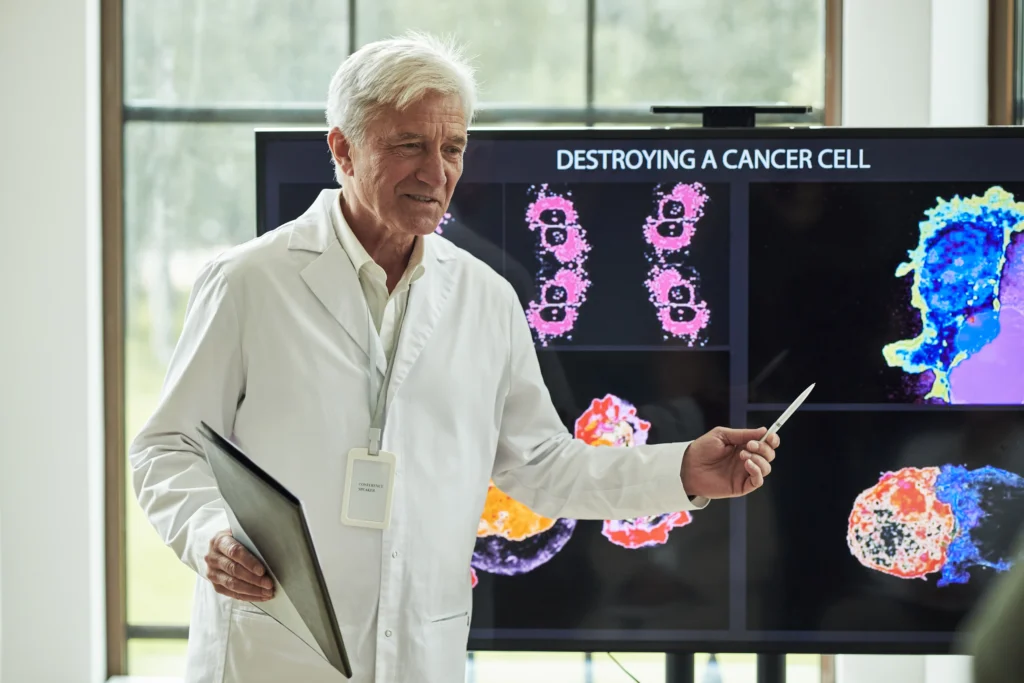
The Role of Clinical Trials and Global Research Collaboration
Clinical trials are currently at the center of many glioblastoma breakthroughs. Around the world, hospitals, universities, and biotechnology companies are working together to test innovative therapies and evaluate their effectiveness in real patients. These trials provide researchers with critical data that can shape the future of cancer treatment.
Participation in clinical trials often gives patients access to cutting-edge therapies that are not yet widely available. While experimental treatments do not guarantee success, they offer opportunities to explore new options beyond standard care. Many recent breakthroughs in cancer medicine began as small clinical studies before becoming widely accepted treatments.
Global collaboration has also accelerated progress significantly. Scientists from different countries are sharing research findings, genetic databases, imaging technologies, and treatment strategies more openly than ever before. This international cooperation allows discoveries to happen faster and helps researchers learn from each other’s successes and challenges.
Technology has made collaboration even more powerful. Advanced computing systems can process enormous amounts of medical data in seconds, helping researchers identify patterns that would have taken years to uncover in the past. AI-driven analysis tools are now helping scientists discover potential drug targets and better understand how glioblastoma evolves over time.
Funding for brain cancer research has increased as public awareness grows. Advocacy groups, nonprofit organizations, and patient communities continue pushing for greater investment into glioblastoma research. Their efforts have helped bring more attention to the urgent need for improved treatments and long-term solutions.
Researchers believe that combining multiple treatment methods may eventually produce the best results. Instead of relying on a single therapy, future glioblastoma care may involve personalized combinations of surgery, radiation, immunotherapy, vaccines, targeted drugs, and AI-guided monitoring.
This integrated approach reflects a major shift in how doctors view cancer treatment today. Rather than fighting tumors with one standard method, medicine is moving toward highly personalized care designed around each patient’s unique biology.
Why These Breakthroughs Matter for Patients and Families
A glioblastoma diagnosis affects far more than just the patient. Families, caregivers, and loved ones often face emotional, financial, and psychological challenges throughout the treatment journey. The aggressive nature of the disease can create fear and uncertainty, especially when traditional treatment options are limited.
That is why recent breakthroughs are so meaningful. Even small improvements in survival rates or quality of life can have a profound impact on patients and families. New therapies may help patients maintain independence longer, reduce symptoms, and improve overall well-being during treatment.
Hope itself plays an important role in the cancer journey. For many years, glioblastoma research moved slowly, leaving patients with few reasons for optimism. Today, however, the rapid pace of scientific discovery is changing expectations. Researchers are no longer simply trying to slow tumor growth — they are actively exploring ways to outsmart the disease entirely.
Public awareness of brain cancer is also increasing thanks to social media, advocacy campaigns, and high-profile cases involving celebrities and public figures. Greater awareness helps generate research funding and encourages more people to support medical innovation.
Doctors emphasize that while there is still a long road ahead, the future of glioblastoma treatment appears more promising than ever before. Every new clinical trial, scientific discovery, and technological advancement brings researchers closer to finding more effective ways to fight this devastating disease.
Patients and families continue to inspire researchers through their resilience and determination. Their stories remind the medical community why the search for better treatments matters so deeply.
As science continues advancing, many experts believe the next decade could bring transformative changes in how glioblastoma is diagnosed, treated, and managed. While challenges remain, the growing momentum in brain cancer research offers something invaluable to millions of people worldwide: hope for a better future.

FAQs
What is glioblastoma?
Glioblastoma is a fast-growing and aggressive type of brain cancer that develops from glial cells in the brain. It is considered one of the most difficult cancers to treat because it spreads quickly into surrounding brain tissue.
What are the common symptoms of glioblastoma?
Common symptoms include severe headaches, seizures, memory problems, confusion, blurred vision, difficulty speaking, personality changes, and loss of balance. Symptoms often depend on where the tumor is located in the brain.
What causes glioblastoma?
The exact cause of glioblastoma is still unknown. Researchers believe genetic mutations and changes in brain cells may play a role, but most cases occur without a clear explanation.
How is glioblastoma diagnosed?
Doctors usually diagnose glioblastoma using MRI scans, neurological exams, and a biopsy to confirm the type of tumor. Advanced imaging technologies also help determine the size and location of the cancer.
What are the standard treatments for glioblastoma?
Traditional treatment typically includes surgery, radiation therapy, and chemotherapy. These methods aim to remove or slow the growth of the tumor, although glioblastoma often returns after treatment.
What new treatments are researchers exploring?
Scientists are studying immunotherapy, personalized cancer vaccines, AI-assisted medicine, targeted therapies, and nanotechnology to improve treatment effectiveness and patient survival rates.
Can glioblastoma be cured?
Currently, there is no guaranteed cure for glioblastoma. However, ongoing clinical trials and medical breakthroughs are giving experts hope for more effective treatments in the future.
Why is glioblastoma so difficult to treat?
Glioblastoma spreads rapidly into healthy brain tissue and can resist many standard treatments. The blood-brain barrier also makes it difficult for medications to reach the tumor effectively.
What is the survival rate for glioblastoma?
Survival rates vary depending on age, overall health, and treatment response. While glioblastoma remains a serious disease, newer therapies and personalized treatments may help improve outcomes for some patients.
Why are recent breakthroughs important?
Recent scientific advances are helping researchers better understand how glioblastoma works and how to target it more effectively. These breakthroughs are creating new hope for patients and families worldwide.
Join the Fight Against Glioblastoma
The fight against glioblastoma is far from over, but every breakthrough brings the world one step closer to better treatments and new hope for patients everywhere. By supporting brain cancer research, spreading awareness, and following the latest medical advances, we can help accelerate the search for life-saving solutions.
Share this article to help raise awareness about glioblastoma and the importance of continued research. Together, we can support patients, families, doctors, and scientists working tirelessly to change the future of brain cancer treatment.
Table of Contents
Aging Brain: New Discoveries to Keep Your Mind Sharp – trendsfocus