
The wearable technology industry is evolving faster than ever, and Google is making a major statement with the launch of the Fitbit Air. Unlike traditional smartwatches filled with screens, notifications, and countless apps, the Fitbit Air introduces a completely different approach to personal health tracking. The device comes without a display, focusing entirely on wellness, recovery, sleep monitoring, and AI-powered coaching.
Priced at just $99, the Fitbit Air is designed to compete directly with popular recovery-focused wearables like Whoop while offering a more affordable entry point for consumers. The launch reflects a growing shift in consumer behavior, as more people begin prioritizing health optimization and digital balance over endless notifications and screen time.
Google’s latest wearable is more than just another fitness tracker. It represents a broader transformation in how people interact with technology. Instead of demanding constant attention, the Fitbit Air quietly collects health data in the background and delivers meaningful insights through Google’s wellness ecosystem.
As interest in recovery tracking, stress management, and sleep analysis continues to rise, Google is positioning Fitbit Air as the perfect wearable for users who want simplicity, comfort, and intelligent health monitoring without the distractions of a smartwatch.
Fitbit Air Marks a New Era for Wearable Technology
For years, wearable technology companies competed by adding more features to smartwatches. Devices became increasingly packed with messaging apps, notifications, voice assistants, mobile payments, and entertainment options. While these features attracted millions of users, many consumers eventually started feeling overwhelmed by constant digital interruptions.
This growing “digital fatigue” has created demand for a different kind of wearable device — one that focuses entirely on health and wellness rather than acting as a second smartphone on the wrist.
The Fitbit Air appears to be Google’s answer to that demand.
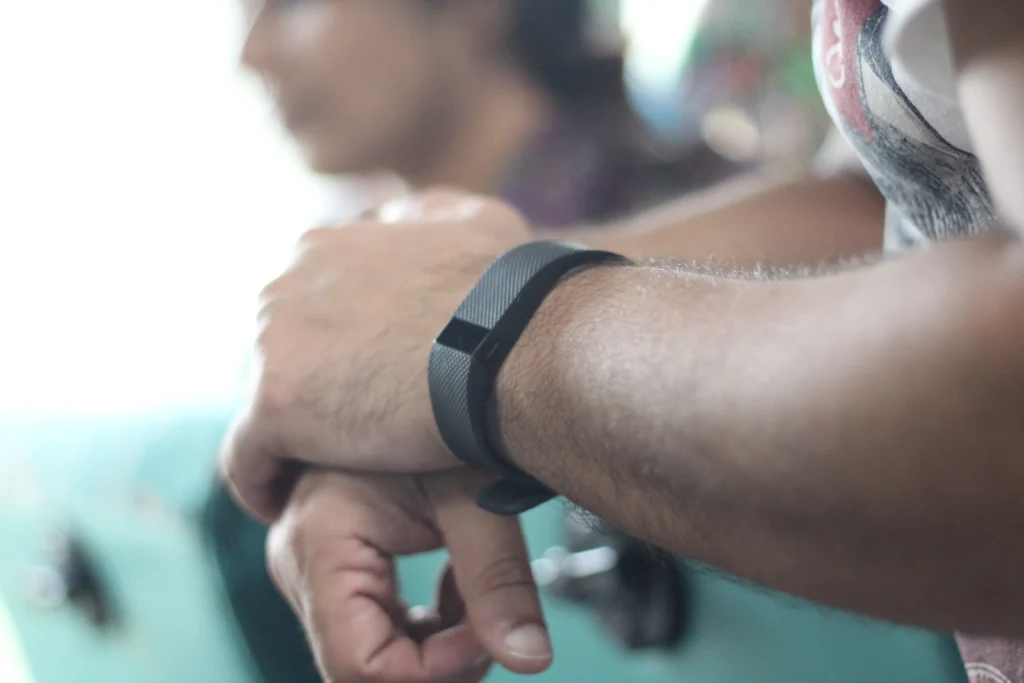
Instead of including a bright screen and app-heavy interface, the Fitbit Air adopts a minimalist design philosophy. The wearable quietly tracks health metrics throughout the day and night while allowing users to review insights later through the companion app.
This screen-free approach is heavily inspired by the success of Whoop, a wearable company known for focusing on recovery, sleep quality, and athletic performance rather than smartwatch features. Whoop became especially popular among athletes, fitness enthusiasts, and professionals seeking detailed wellness analytics without distractions.
Google now seems determined to bring that same concept to a broader audience through Fitbit’s trusted brand recognition and lower pricing strategy.
The Fitbit Air’s lightweight build also makes it ideal for continuous wear. Because there is no screen, the device is thinner, lighter, and more comfortable than many traditional smartwatches. Users can wear it during workouts, while sleeping, or throughout the workday without feeling weighed down.
The shift toward simpler wearables also reflects changing attitudes about technology and mental wellness. Many consumers are beginning to reduce screen exposure and minimize digital interruptions to improve focus, productivity, and overall well-being. The Fitbit Air fits perfectly into this lifestyle trend by removing unnecessary distractions while still providing advanced health monitoring.
Advanced Health Features Packed Into a Minimalist Device
Although the Fitbit Air removes the screen, it does not sacrifice advanced health-tracking capabilities. In fact, Google has packed the wearable with several important wellness features that rival more expensive fitness devices currently on the market.
The Fitbit Air reportedly includes continuous heart rate monitoring, allowing users to better understand how their body responds to exercise, stress, and rest throughout the day. Heart rate data is also essential for calculating recovery scores and training readiness.
Sleep tracking is another major focus of the device. The wearable analyzes sleep duration, sleep stages, interruptions, and overall sleep quality to help users improve their nightly recovery habits. Sleep optimization has become one of the fastest-growing areas in the wellness industry, and Google clearly recognizes its importance.
The Fitbit Air also monitors blood oxygen levels and heart rate variability (HRV), two increasingly valuable metrics in modern health tracking. HRV, in particular, is commonly used to measure stress, recovery, and nervous system balance. Athletes and wellness enthusiasts often use HRV trends to determine when their body is ready for intense activity or when additional recovery is needed.
Additional features reportedly include:
- Daily activity tracking
- Calorie burn estimates
- Recovery analysis
- Stress monitoring
- Wellness scoring
- Personalized health recommendations
One of the device’s strongest advantages may be its battery life. The Fitbit Air reportedly offers up to seven days of use on a single charge, making it significantly more convenient than many smartwatches that require daily charging.
Long battery life is especially important for continuous health monitoring because it allows users to track sleep and recovery without interruptions. Frequent charging often causes users to remove wearables overnight, limiting the accuracy of long-term health analysis.
Comfort also plays a major role in the Fitbit Air’s design. The wearable uses a soft fabric band similar to those found on other recovery-focused devices. Since the device lacks a screen and heavy hardware, it feels less intrusive during sleep and workouts.
All collected data syncs with Google Health, the company’s redesigned wellness platform that combines fitness tracking, AI insights, and personalized coaching into one ecosystem.

Google’s AI Health Coach Could Transform Wellness Tracking
Perhaps the most exciting feature of the Fitbit Air is Google’s new AI-powered Health Coach. Built using Gemini AI technology, the system aims to make health tracking smarter, more personalized, and easier to understand.
Traditional fitness trackers often overwhelm users with raw numbers and statistics that may not always be meaningful to everyday consumers. Google’s AI Health Coach is designed to solve this problem by interpreting user data and turning it into actionable advice.
Instead of simply showing sleep scores or heart rate graphs, the AI system can reportedly explain what the data means and recommend practical improvements.
For example, if the device detects signs of fatigue, elevated stress, or poor recovery, the AI coach may suggest reducing workout intensity, prioritizing sleep, or taking additional recovery time. If the user shows strong recovery trends, the system could recommend increasing physical activity or improving workout performance.
This level of personalization could make wearable technology more useful for millions of people who want better health guidance but lack advanced fitness knowledge.
Google’s experience in artificial intelligence gives the company a potentially significant advantage over competitors in the wearable market. By combining Fitbit’s health-tracking expertise with Gemini AI capabilities, Google is creating a smarter and more adaptive wellness ecosystem.
The AI Health Coach may eventually evolve into a digital wellness assistant capable of helping users manage stress, improve sleep habits, optimize workouts, and maintain healthier lifestyles overall.
Some premium AI features are expected to require a subscription service, although Google has reportedly ensured that the Fitbit Air itself remains fully functional without mandatory monthly payments. This flexible model could help attract users who dislike expensive subscription-based fitness ecosystems.
As AI becomes increasingly integrated into healthcare and wellness technology, the Fitbit Air may represent the beginning of a new generation of intelligent wearables focused on long-term health improvement rather than simple activity tracking.
Why Screen-Free Wearables Are the Future of Fitness Tech
The launch of Fitbit Air highlights a major trend currently reshaping the wearable technology industry: the growing popularity of screen-free health devices.
Over the past decade, smartwatches became increasingly advanced, but many users began experiencing notification overload and digital exhaustion. Instead of simplifying life, some wearables started contributing to the same stress and distraction caused by smartphones.
This is one reason why screen-free wearables are gaining momentum.
Devices like Fitbit Air, Whoop, and Oura Ring focus on passive data collection rather than constant interaction. They allow users to gather meaningful health insights without encouraging compulsive screen-checking behavior.
This approach aligns with broader wellness trends emphasizing mindfulness, digital minimalism, and mental health balance.
Consumers today are becoming more interested in optimizing sleep quality, recovery, stress management, and long-term wellness rather than simply counting steps or receiving text alerts on their wrist.
Athletes and fitness enthusiasts have already embraced recovery tracking as an essential part of performance improvement. Now, mainstream consumers are beginning to recognize the value of understanding how stress, sleep, and recovery impact overall health.
The Fitbit Air also stands out because of its affordability. Many recovery-focused wearables currently require costly subscriptions or premium pricing, limiting accessibility for everyday users. At $99, Google’s new device could introduce millions of people to advanced wellness tracking for the first time.
The company’s strong ecosystem integration may also play a major role in its success. With Google Health, AI-powered coaching, and Fitbit’s established reputation, the Fitbit Air has the potential to become one of the most influential wearable launches of the year.
As wearable technology continues evolving, the future may no longer belong to devices with larger screens and more apps. Instead, the industry appears to be shifting toward smarter, quieter, and more health-focused devices that operate seamlessly in the background.
The Fitbit Air is more than just another fitness tracker — it represents a new vision for wearable technology centered on wellness, recovery, and simplicity.
Table of Contents
Google Fitbit Air Launch 2026 – Forbes Vetted
Canada Fighter Jet Fleet Review and Future Air Force Plan – trendsfocus