
When you look at a world map, you probably feel that everything important has already been discovered. The continents seem fixed, the oceans familiar, the mysteries mostly solved. Yet beneath the deep blue waters of the Pacific lies something extraordinary — Zealandia, a vast, mostly submerged landmass that reshaped how scientists understand Earth. As you read this, you are about to explore a hidden continent that remained invisible for millions of years, quietly waiting beneath the ocean. And once you discover Zealandia, you may never look at the planet the same way again.
What Is Zealandia? Understanding the Eighth Continent
When scientists speak about Zealandia, they are referring to a massive continental landmass almost entirely underwater. Unlike traditional continents, Zealandia is not fully visible — about 94% of it lies beneath the ocean surface.
Key Facts About Zealandia
- Zealandia covers approximately 4.9 million square kilometers
- It is two-thirds the size of Australia
- Only small parts are above water, including New Zealand and New Caledonia
- It consists of continental crust, not oceanic crust
- Scientists formally described it as a continent in 2017
You might find it surprising that a continent could stay hidden for so long. Yet the slow movement of tectonic plates and millions of years of geological change gradually submerged Zealandia beneath the Pacific Ocean.
Scientific Evidence Behind Zealandia
Researchers from GNS Science and the Geological Society of America confirmed Zealandia using:
- Seafloor mapping
- Rock and sediment analysis
- Satellite gravity data
- Seismic imaging
These findings showed that Zealandia is not just a collection of islands — it is a true continent beneath the ocean.
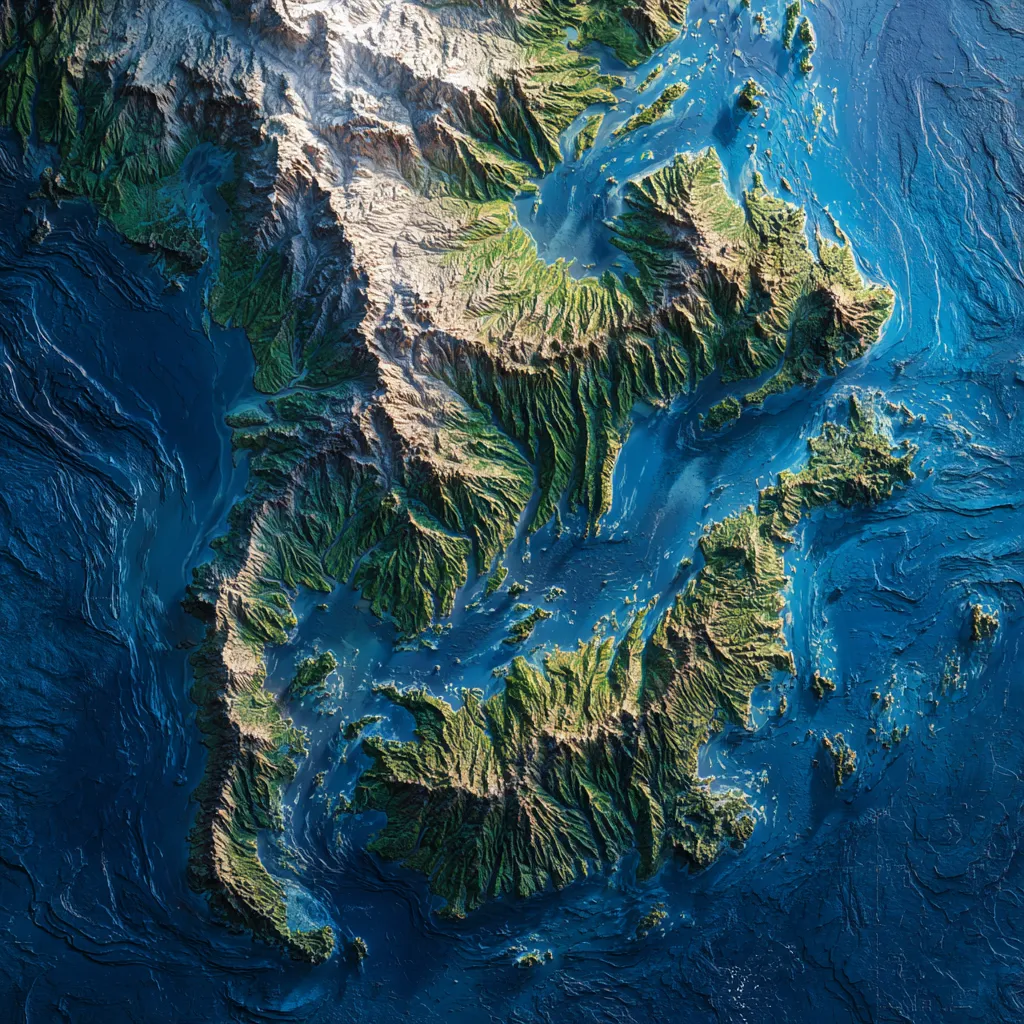
Where Is Zealandia Located? Mapping the Lost Continent
Geographic Position
Zealandia lies in the southwest Pacific Ocean, east of Australia and surrounding New Zealand. When you look at its boundaries, you begin to see how vast it really is.
Zealandia Extends Across:
- Lord Howe Rise (near Australia)
- New Zealand Plateau
- Challenger Plateau
- Campbell Plateau
- New Caledonia region
Although you cannot see most of Zealandia above water, advanced ocean mapping has revealed its full shape beneath the sea.
Major Geological Features of Zealandia
Zealandia includes many features typical of continents:
- Underwater mountain chains
- Deep ocean basins
- Plateaus and ridges
- Fault lines and tectonic boundaries
These structures confirm that Zealandia is not an oceanic formation but a submerged continental body.
Why Is Zealandia Considered a Continent? The Scientific Criteria
To understand why scientists classify Zealandia as a continent, you need to know the four key geological criteria used worldwide.
The Four Conditions of a Continent
A landmass must:
- Rise above surrounding ocean crust
- Contain continental-type geology
- Have clearly defined boundaries
- Be large enough to qualify
How Zealandia Meets These Standards
1. Elevation Above Ocean Floor
Even though most of Zealandia is underwater, it still rises significantly above the surrounding oceanic crust.
2. Continental Crust
Zealandia’s crust is 20–30 km thick, much thicker than oceanic crust (about 7 km). This thickness is a defining continental feature.
3. Distinct Geological Identity
Its rocks include:
- Granite
- Limestone
- Sandstone
These rock types are typical of continents, not ocean basins.
4. Size Qualification
At nearly 5 million km², Zealandia is large enough to be classified as a continent.
Because it meets all four criteria, many geologists now recognize Zealandia as Earth’s eighth continent.
The Discovery of Zealandia – How Scientists Uncovered the Hidden Continent
Early Scientific Clues
Long before modern technology, scientists noticed something unusual. Rocks in New Zealand were similar to continental rocks found in Australia, suggesting a shared geological history. Fossils also hinted at a submerged landmass.
Official Recognition in 2017
In 2017, a team of geologists formally declared Zealandia a continent. Using advanced tools, they confirmed:
- Ancient continental rock formations
- Crustal thickness measurements
- Magnetic and gravity mapping
- Ocean drilling samples
Some rocks collected from Zealandia are over one billion years old, proving its continental origin.
This discovery reshaped how scientists understand Earth’s geography.
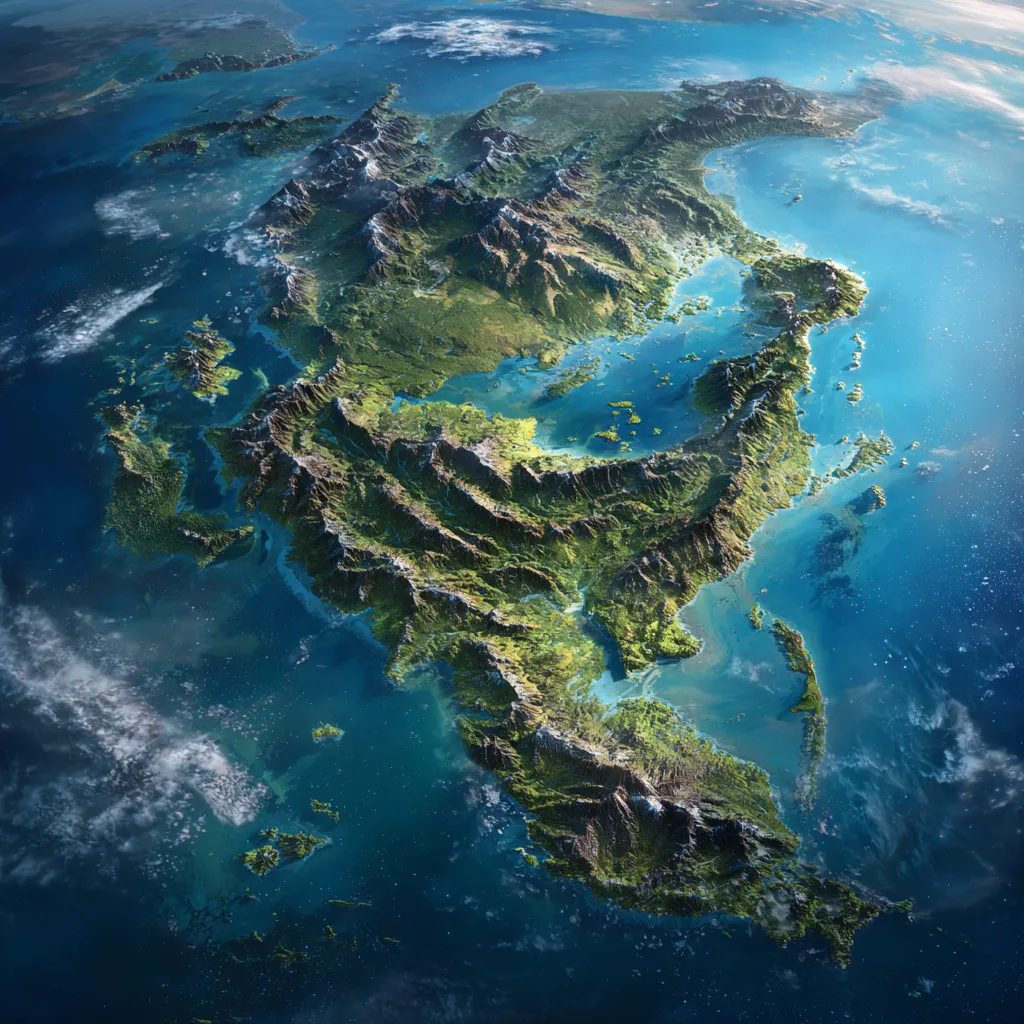
How Did Zealandia Sink Beneath the Ocean?
The Breakup of Gondwana
Around 85 million years ago, Zealandia separated from the ancient supercontinent Gondwana, which also included:
- Antarctica
- Australia
- South America
- Africa
Crustal Thinning and Submergence
After separation, Zealandia’s crust stretched and became thinner. Over millions of years, the weakened crust sank below sea level.
Important facts:
- Zealandia did not sink suddenly
- The process took tens of millions of years
- Tectonic forces continue shaping it today
This slow geological evolution explains why most of Zealandia now lies underwater.
Life and Ecosystems of Zealandia
Even though most of Zealandia is submerged, it has played a major role in shaping life, especially in New Zealand.
Unique Biodiversity
Because Zealandia was isolated for millions of years, many species evolved independently.
Examples include:
- Flightless birds like the kiwi
- Ancient reptile species
- Unique plant ecosystems
This isolation created one of the most distinctive biodiversity zones on Earth.
Marine Life of Zealandia
Beneath the ocean, Zealandia hosts:
- Deep-sea coral formations
- Underwater volcanic ecosystems
- Rare marine species
These ecosystems are still being studied, and new species continue to be discovered.
Why Zealandia Matters – Scientific and Global Importance
Understanding Zealandia helps you understand how Earth works.
Key Scientific Importance
- Explains continental formation
- Reveals tectonic plate behavior
- Provides clues about ancient Earth
- Improves earthquake research
- Helps study ocean currents and climate
Natural Resources and Research
Zealandia may also hold:
- Mineral deposits
- Energy resources
- Geological records of Earth’s past
Because of its unique structure, Zealandia is a valuable natural laboratory for scientists.
Could Zealandia Ever Rise Again?
Geological Possibility
You might wonder whether Zealandia could re-emerge above sea level. While tectonic uplift is possible, the process would take millions of years.
Current Scientific View
Most researchers agree:
- Zealandia will remain mostly submerged
- No major emergence is expected soon
- Tectonic forces continue shaping the region slowly
So while Zealandia exists today, it remains a hidden continent beneath the ocean.
FAQ About Zealandia
Is Zealandia really the eighth continent?
Yes. Many geologists recognize Zealandia as the eighth continent because it meets all geological criteria for continental classification.
How much of Zealandia is underwater?
About 94% of Zealandia is submerged, with only New Zealand and nearby islands visible above sea level.
When was Zealandia discovered?
Scientists formally described Zealandia as a continent in 2017, though its existence had been suspected for decades.
Why is Zealandia important?
Zealandia helps scientists understand plate tectonics, continental drift, and Earth’s geological history.
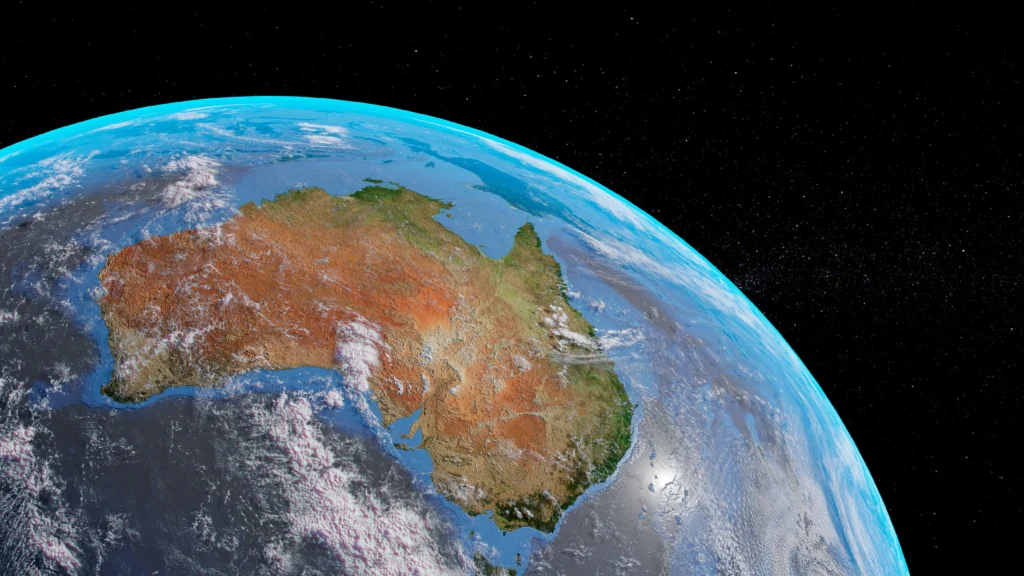
Is Zealandia bigger than Australia?
No. Zealandia is smaller than Australia but still large enough to be considered a continent.
Conclusion – What Zealandia Teaches You About Earth
Zealandia proves that even today, your planet still holds secrets. Beneath the Pacific Ocean lies a hidden continent that changed scientific understanding of Earth’s structure, history, and evolution. When you explore Zealandia, you discover more than geology — you uncover a story of slow transformation, ancient worlds, and the power of scientific curiosity.
The next time you look at a map, remember: not everything is visible on the surface. Some discoveries lie beneath, waiting patiently for curious minds like yours.
Your Next Step – Stay Curious and Explore More
If you found the story of Zealandia fascinating, don’t stop here.
- Share this article with someone curious about Earth
- Explore more hidden geological mysteries
- Stay updated on new scientific discoveries
- Dive deeper into the secrets of our planet
Because the world is still full of hidden continents, unseen histories, and discoveries waiting for you.
Table of Contents
Two U.S. Navy Ships Collide in Waters Near South America – trendsfocus