
What’s Wrong With Congress ?
Few institutions are as central to American democracy as the United States Congress. Created to represent the voices of the people and the states, Congress is responsible for passing laws, approving federal spending, overseeing the executive branch, and shaping the nation’s future. Yet in recent years, it has become the focus of increasing criticism from voters, political analysts, and even current and former lawmakers.
The latest debate over Congress comes as new reports and political observers question whether the institution is still capable of addressing the country’s biggest challenges efficiently. From partisan gridlock and delayed legislation to declining public confidence, concerns about the effectiveness of Congress have become a major topic across the political spectrum.
While Democrats and Republicans continue to blame one another for legislative failures, many experts argue that the problems run much deeper than party politics. Structural issues, procedural hurdles, and changing political incentives have transformed how Congress operates, making bipartisan cooperation more difficult than ever.
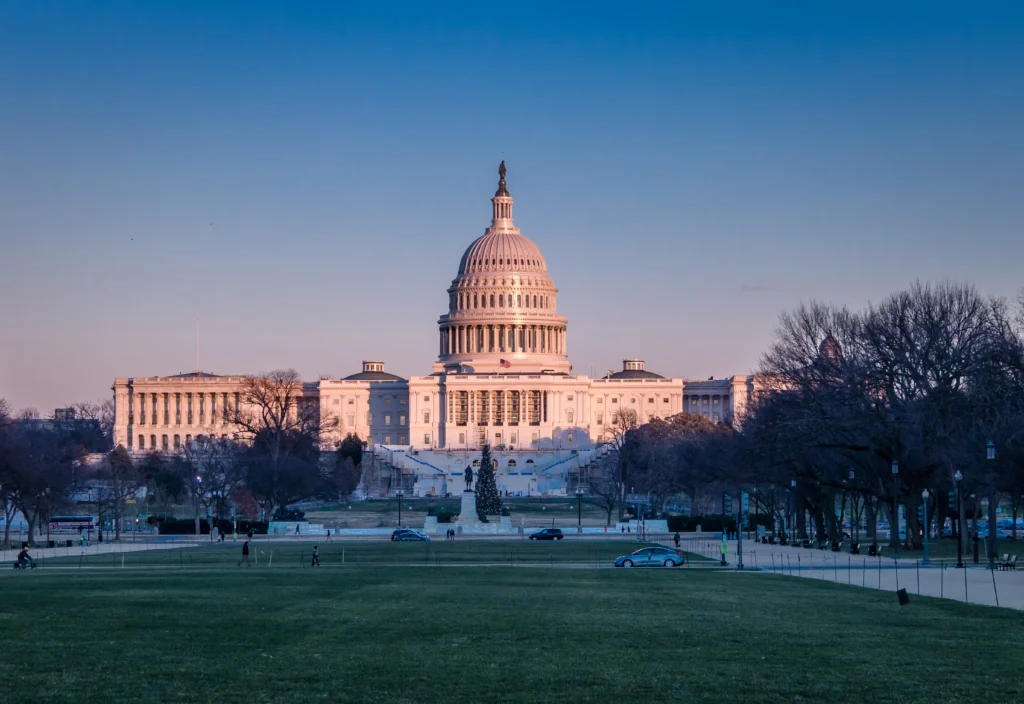
Understanding the Challenges Facing America’s Legislative Branch
Congress has long been considered one of the pillars of the U.S. constitutional system. Designed to balance presidential power while representing the interests of citizens, the legislative branch has played a defining role in shaping American history for more than two centuries.
However, recent years have highlighted growing concerns about whether Congress can still function effectively in an era of intense political division. Budget battles, delayed legislation, government shutdown threats, and highly partisan debates have fueled criticism from voters who increasingly question whether lawmakers are capable of solving national problems.
Recent discussions surrounding Congress have renewed attention to these issues, prompting experts to examine why legislative productivity has slowed and what reforms might improve the institution.
Political Polarization Has Become Congress’s Biggest Obstacle
One of the most significant challenges facing Congress today is political polarization.
Although disagreements between political parties have always existed, the divide between Democrats and Republicans has widened dramatically over the past two decades. Lawmakers increasingly vote along party lines, leaving little room for bipartisan compromise.
This growing polarization affects nearly every major issue debated in Washington, including:
- Federal spending
- Immigration reform
- Healthcare policy
- National security
- Energy and climate legislation
- Tax policy
- Election laws
As party leaders become more influential, many members face pressure to support their party’s position rather than negotiate across the aisle.
Political analysts argue that modern elections have also contributed to polarization. In many congressional districts, the primary election is more competitive than the general election, encouraging candidates to appeal to their party’s most committed voters rather than moderates.
The result is often legislative stalemate, where major bills struggle to gain enough bipartisan support to become law.
Why Congress Is Passing Fewer Major Laws
Another criticism frequently directed at Congress involves declining legislative productivity.
While lawmakers continue introducing thousands of bills each congressional session, only a small percentage ultimately become law.
Instead of moving legislation through the traditional committee process, congressional leaders increasingly rely on:
- Omnibus spending packages
- Continuing resolutions
- Budget reconciliation
- Emergency legislation
- Leadership-negotiated agreements
These methods often allow Congress to avoid government shutdowns or respond quickly to urgent situations, but critics argue they reduce transparency and limit meaningful debate.
Large spending bills are sometimes released only hours before votes take place, leaving lawmakers with little time to fully review hundreds—or even thousands—of pages of legislative text.
Many policy experts believe this approach weakens Congress’s deliberative role and concentrates more power in party leadership.
As a result, ordinary members often have fewer opportunities to influence legislation through committee work or amendments.
Declining Public Trust in Congress
Public confidence in Congress has remained consistently low for years.
National opinion surveys regularly show that Congress ranks among the least trusted major institutions in the United States.
Several factors contribute to this decline, including:
Constant Political Conflict
Televised hearings, heated debates, and public disagreements dominate news coverage.
While vigorous debate is part of democracy, many voters perceive endless political fighting as evidence that lawmakers prioritize partisan victories over practical solutions.
Government Shutdown Threats
Repeated disputes over federal spending have brought the government close to shutdown on multiple occasions.
Although temporary funding agreements usually prevent long-term disruptions, these recurring crises contribute to public frustration.
Slow Progress on Major Issues
Americans continue waiting for congressional action on issues such as:
- Immigration reform
- Affordable healthcare
- Housing affordability
- National debt
- Border security
- Artificial intelligence regulation
- Infrastructure improvements
When Congress struggles to reach consensus, many voters lose confidence in its ability to govern effectively.
Increasing Reliance on Executive Action
Because legislation often stalls in Congress, presidents from both political parties have increasingly turned to executive orders to advance policy priorities.
While executive actions can provide immediate responses, they are generally easier for future administrations to reverse.
Many constitutional scholars argue that relying too heavily on executive authority shifts power away from Congress, altering the balance envisioned by the Constitution.
Can Congress Reform Itself?
Despite criticism, many experts believe Congress can still improve its effectiveness through institutional reforms.
Several proposals have gained attention in recent years.
Restoring Regular Legislative Order
Policy experts argue that Congress should return to a more traditional process in which bills move through committees before reaching the House and Senate floors.
This approach would allow lawmakers to:
- Hold more public hearings
- Debate legislation openly
- Offer amendments
- Build bipartisan consensus
Strengthening Bipartisan Cooperation
Some political observers recommend creating additional bipartisan working groups focused on major national issues.
Although ideological differences would remain, structured negotiations could increase opportunities for compromise before legislation reaches final votes.
Improving Budget Procedures
Many budget experts support reforms designed to reduce recurring funding crises.
Possible changes include:
- Earlier budget deadlines
- Multi-year budget agreements
- Automatic continuing resolutions that prevent shutdowns if negotiations continue
These proposals aim to reduce uncertainty while giving lawmakers additional time to negotiate.
Increasing Transparency
Critics frequently call for longer public review periods before Congress votes on major legislation.
Allowing lawmakers and citizens more time to examine complex bills could improve accountability and public understanding.
Modernizing Congressional Operations
Technology has transformed nearly every industry, yet many congressional procedures remain rooted in decades-old practices.
Some reform advocates recommend modernizing committee systems, improving digital access to legislative documents, and streamlining administrative processes to improve efficiency.
Final Thoughts
Congress remains one of the most powerful and influential institutions in the United States, but it also faces significant challenges that continue to shape public debate. Political polarization, procedural delays, declining public trust, and legislative gridlock have raised important questions about whether the institution is functioning as effectively as the Constitution intended.
While Democrats and Republicans often disagree about the causes of these problems, there is growing recognition that Congress must find ways to restore public confidence and improve its ability to address complex national issues. Whether through procedural reforms, greater transparency, or renewed bipartisan cooperation, many experts believe meaningful changes are possible.
Ultimately, the strength of Congress depends not only on its rules and traditions but also on the willingness of elected officials to work together in pursuit of the public interest. As Americans continue to watch debates unfold on Capitol Hill, the future of the legislative branch will remain a defining issue for U.S. governance, democracy, and the nation’s ability to respond to the challenges of the years ahead.
Table of Contents
What’s wrong with Congress? – CBS News
Trump, JIMMY Carter, Iran and the Fight for Legacy Today!? – trendsfocus