
If you’ve ever wondered about the forces shaping global energy markets, it’s likely that Venezuela’s oil reserves have played a central role. Despite its economic and political turmoil, Venezuela holds one of the largest oil reserves in the world. This makes its oil a strategic asset not only for the Venezuelan government but also for countries like the United States, whose energy policies and global influence are deeply impacted by this resource. Understanding the importance of Venezuelan oil helps you connect the dots between international policy, energy prices, and even your daily life.
In this article, we’ll take a closer look at why Venezuelan oil is crucial to U.S. interests. We’ll explore the historical, economic, and geopolitical reasons why the U.S. has long viewed this oil as a vital asset. By the end, you’ll have a deeper understanding of how Venezuelan oil affects the global energy market and why it continues to be a point of contention in U.S.-Venezuela relations.
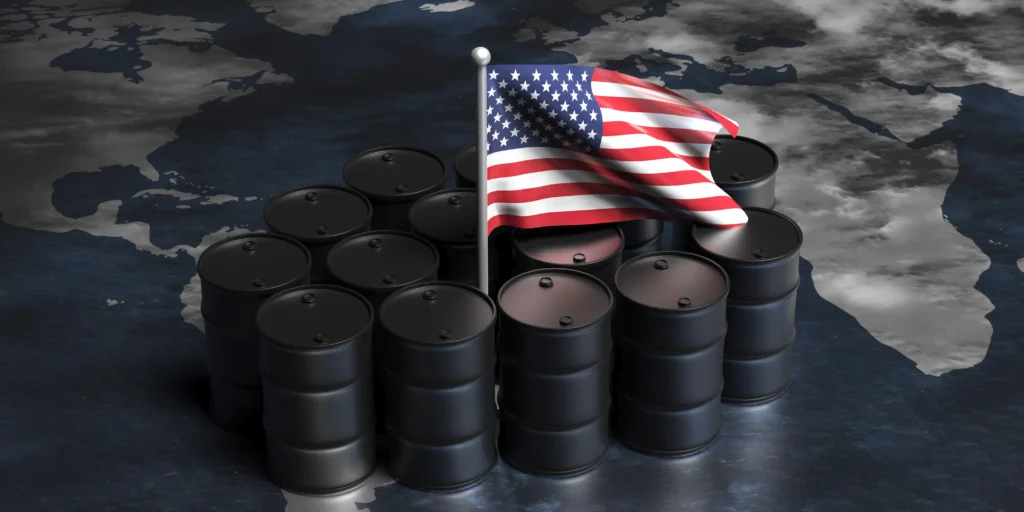
The Strategic Importance of Venezuelan Oil to the United States
Venezuela’s Oil Reserves: A Goldmine for Energy Security
Venezuela’s oil reserves are among the largest in the world, with some estimates placing them at 300 billion barrels. This makes it a key player in the global oil market, especially when you consider that the U.S. has historically relied on imports to meet its energy needs. The country’s proximity to the U.S. is another factor that makes Venezuelan oil a strategic asset. Geographically, Venezuela sits just off the U.S. coast, making it a natural and easy energy partner. In times of geopolitical tension or supply disruptions in other parts of the world, Venezuelan oil could serve as a critical fallback for the U.S.
For you, this means that fluctuations in Venezuelan oil production can have a direct impact on your daily life. When production drops or political instability in Venezuela causes disruptions, global oil prices can spike, leading to higher costs at the gas pump and increased utility bills. On the flip side, when Venezuelan oil flows freely into the market, it can help keep prices stable, benefiting consumers and businesses alike.
How U.S. Dependence on Oil Fuels Its Interest in Venezuela
The United States’ energy needs are vast. While domestic oil production has been on the rise in recent years, the U.S. still imports a significant portion of its oil. Venezuela, as a major oil exporter, historically provided a steady supply to meet U.S. demand. However, as Venezuela’s political landscape has shifted and economic sanctions have taken a toll, the U.S. has found itself with fewer options for stable oil imports.
Why does this matter to you? The reality is that global energy markets are highly interconnected. Any disruptions in the oil supply, whether from Venezuela or other regions, have ripple effects. These disruptions can lead to price volatility, supply shortages, and a host of other issues that impact your wallet.
The Political and Economic Tensions Between the U.S. and Venezuela Over Oil
Sanctions and Their Impact on Oil Trade
Since the late 2000s, U.S. relations with Venezuela have been marked by political tensions, largely due to the leadership of Hugo Chávez and later Nicolás Maduro. In response to Venezuela’s authoritarian shift and concerns over human rights violations, the U.S. has imposed a series of economic sanctions, particularly targeting the oil sector. These sanctions have dramatically affected the country’s ability to produce and export oil, crippling its economy.
For you, the ripple effect of these sanctions is felt at the gas station. When Venezuela, a major oil producer, is unable to export its resources due to sanctions, it leads to tighter global supply, which drives up oil prices. This is why understanding the political dynamics in Venezuela is essential—not only for policymakers but also for everyday consumers like you who are directly impacted by the price of oil.
The Complex Relationship: Energy vs. Politics
The relationship between the U.S. and Venezuela has long been intertwined with oil. The U.S. has historically viewed Venezuela’s oil as a potential asset in its energy strategy, but political disagreements have complicated this relationship. U.S. policy on Venezuela has ranged from diplomatic pressure to outright sanctions, all while the country’s oil wealth continues to be a central point of contention.
This dynamic is something you should keep in mind, as the political instability in Venezuela doesn’t just affect its people; it affects global energy markets. The U.S.’s stance on Venezuela can directly impact your energy costs and broader economic conditions.
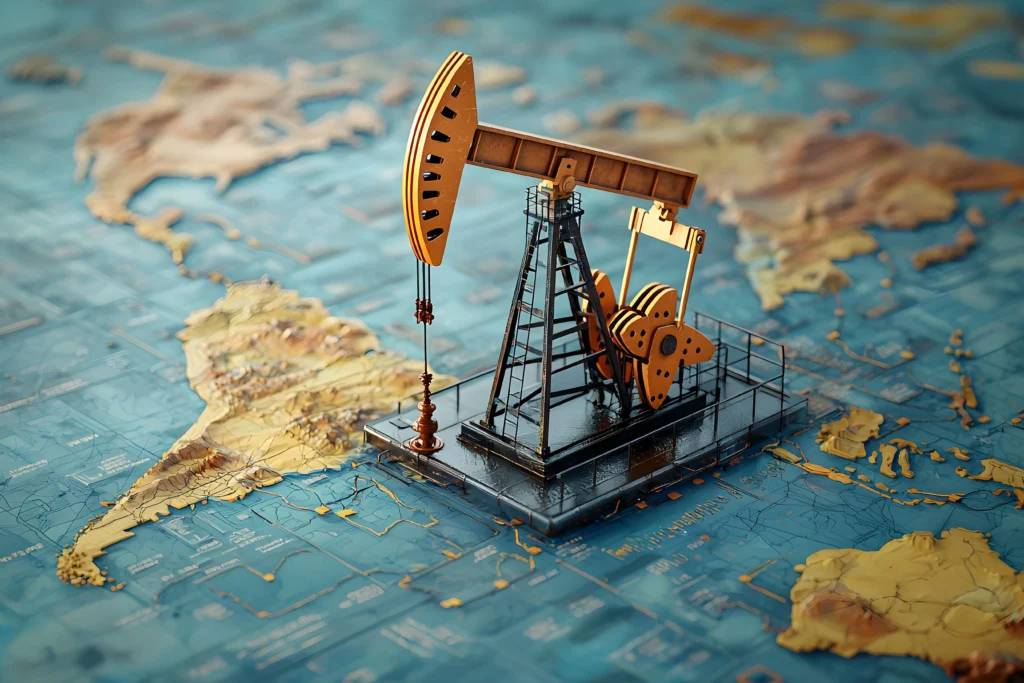
The Economic Benefits of Venezuelan Oil to the United States
Lower Energy Costs and Economic Stability
One of the key benefits of access to Venezuelan oil for the U.S. is the potential for more affordable energy. If political conditions were to stabilize in Venezuela and sanctions were lifted, it could lead to a resurgence in oil production, bringing more supply to the global market. The increased supply could help lower energy prices, which would benefit consumers like you. Lower energy costs mean lower transportation expenses, lower home heating bills, and potentially lower costs for goods and services, as transportation is a significant cost in the production and delivery of goods.
Furthermore, the availability of Venezuelan oil could help stabilize global energy prices, reducing the volatility that often leads to sharp price increases. This would help businesses plan better and reduce economic uncertainty, making it easier for you to make financial decisions and investments in your daily life.
Diversification of Energy Sources for U.S. Energy Security
The United States has worked hard to reduce its dependence on oil from unstable regions. Venezuelan oil, if used responsibly, could serve as an important part of a diversified energy strategy. By securing oil from Venezuela, the U.S. would reduce its dependence on countries with more volatile political climates, such as those in the Middle East. This would help ensure a steady, reliable flow of oil, providing more energy security.
For you, energy security means fewer surprises. When oil sources are stable and diversified, you don’t have to worry about sudden spikes in energy costs caused by geopolitical conflicts. It also means that energy prices are less likely to fluctuate dramatically, giving you more predictable utility and fuel costs.
The Geopolitical Ramifications of Venezuelan Oil on U.S. Foreign Policy
Venezuela as a Strategic Player in the Global Energy Arena
Venezuelan oil isn’t just about what it can provide for the United States; it’s also about how it shapes global politics. Venezuela’s oil has the potential to change the balance of power in the energy sector. For example, countries like China and Russia have attempted to forge closer ties with Venezuela, hoping to tap into its vast energy resources. As a result, the U.S. views Venezuela’s oil not only as an asset but also as a piece in the broader geopolitical puzzle.
The U.S. has worked to counteract these efforts, partly because it doesn’t want to cede influence over a region so close to its borders. By maintaining a firm stance on Venezuela, the U.S. ensures that it can retain control over a key energy source that influences global markets.
The Influence of Venezuelan Oil on U.S. Relations with Other Global Powers
The pursuit of Venezuelan oil is part of a larger strategy to counter Chinese and Russian influence in Latin America. By securing oil resources, the U.S. can prevent its adversaries from establishing a stronger foothold in the region. This helps maintain U.S. dominance in the Americas and protects its broader strategic interests.
For you, this means that oil isn’t just an economic commodity; it’s a tool for maintaining balance in international relations. The global political landscape is shaped by these oil reserves, and the U.S.’s stance on Venezuela has far-reaching implications beyond just energy policy.

The Future of U.S.-Venezuela Relations in the Context of Oil
What Lies Ahead for U.S.-Venezuela Oil Trade?
As Venezuela struggles with its economic and political issues, it remains to be seen whether the U.S. will change its approach. The possibility of renewed relations, particularly in the oil sector, depends largely on the political situation in Venezuela. If the country’s leadership changes or if sanctions are lifted, it could open the door for a resurgence in oil exports to the U.S. This would mean a more stable energy supply, with potential benefits for you as a consumer.
However, this depends on a range of factors, including Venezuela’s willingness to cooperate with international norms and the political will of U.S. leadership. For now, the situation remains uncertain, but it’s clear that Venezuela’s oil reserves are too valuable to be ignored.
Conclusion: Why Understanding Venezuelan Oil Is Crucial for You
Venezuelan oil plays a significant role in the U.S. energy strategy, influencing everything from gas prices to geopolitical relations. The country’s vast reserves present an opportunity for the U.S. to diversify its energy sources, stabilize oil prices, and strengthen its position on the global stage. However, the political tensions and economic sanctions have complicated this potential. As a consumer, understanding the dynamics of Venezuelan oil can help you make sense of price fluctuations, international relations, and the broader energy market.
Call to Action:
Stay informed on the shifting dynamics of global oil markets and U.S.-Venezuela relations. The next time you fill up at the pump or pay your utility bill, remember the larger forces at play. Understanding how Venezuelan oil impacts global energy markets allows you to make more informed decisions in your daily life.
Table of Contents
U.S. Military in the Caribbean: Impacts on Energy & Trade – trendsfocus
U.S. launches military attack on Venezuela, Trump says Maduro captured and flown out of the country