
Security cooperation between nations is becoming increasingly important in a world where organized crime networks operate across borders. Recently, a major development has drawn global attention: a new collaboration between the United States and Ecuador aimed at tackling drug trafficking and violent criminal organizations. This partnership signals a significant shift in how countries work together to address security threats that affect entire regions.
In this article, we will explore what this new cooperation means, why it matters for Latin America, and how it could impact global efforts to combat organized crime.
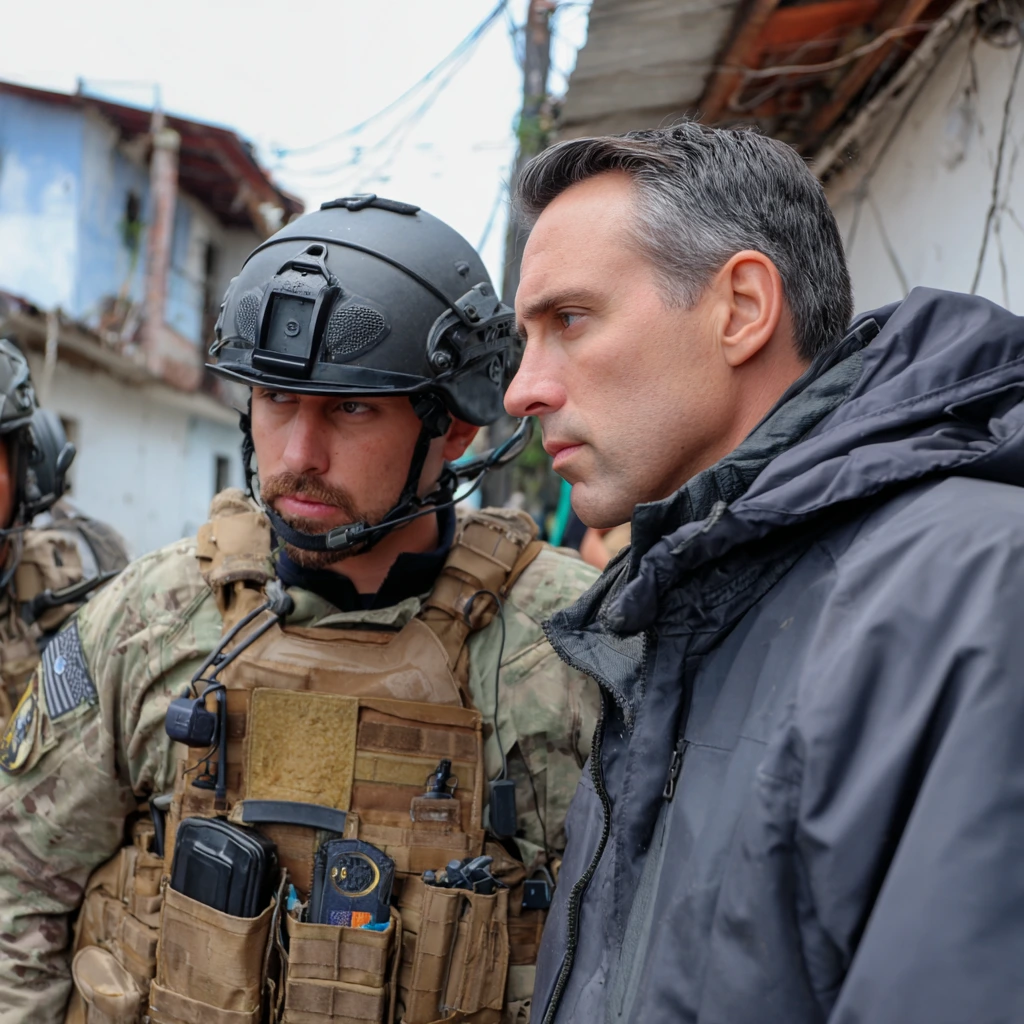
Why the U.S. and Ecuador Are Working Together
The decision to strengthen cooperation between the United States and Ecuador comes at a critical time. Over the past few years, Ecuador has experienced a rise in violence connected to drug trafficking and organized criminal groups. Once considered one of the more stable countries in the region, Ecuador has increasingly become a key transit route for illegal drugs moving from South America to markets in North America and Europe.
Criminal networks have taken advantage of Ecuador’s strategic location along the Pacific Ocean, as well as its busy ports and trade routes. These groups often operate across borders, making it difficult for a single country to fight them alone. As a result, international partnerships have become essential.
For the United States, supporting regional security is also a priority. Instability caused by organized crime can affect migration patterns, economic stability, and international safety. By working with Ecuador, U.S. authorities aim to help reduce the power of criminal organizations while strengthening regional alliances.
This cooperation represents a shared understanding that modern security challenges require collective solutions. Instead of acting independently, both countries are combining resources, expertise, and intelligence to address a common threat.
How the Joint Operations Are Being Conducted
One of the most important aspects of this partnership is how responsibilities are divided between the two countries. Ecuador remains in charge of operations taking place within its territory, while the United States provides support that enhances the effectiveness of those missions.
This support includes intelligence sharing, strategic guidance, training, and logistical assistance. By sharing information about criminal networks, financial flows, and trafficking routes, authorities can better identify targets and plan operations more effectively.
Ecuadorian forces, meanwhile, are responsible for executing operations on the ground. This approach ensures that national sovereignty is respected while still allowing for strong international cooperation.
Another key element of the collaboration is capacity building. U.S. expertise in technology, surveillance, and advanced investigative techniques can help Ecuador strengthen its long-term ability to fight organized crime. Over time, these improvements may make Ecuador more resilient against criminal networks that try to expand their influence.
The partnership also reflects a broader strategy that focuses not only on arrests but also on dismantling criminal organizations at their roots. This includes targeting financial systems, supply chains, and leadership structures that enable illegal activities to thrive.
The Impact on Regional Security in Latin America
The collaboration between the United States and Ecuador could have significant consequences for the entire Latin American region. Organized crime groups rarely operate within one country alone. Instead, they rely on complex networks that stretch across borders, linking producers, transporters, and distributors.
By increasing cooperation, authorities hope to disrupt these networks more effectively. If successful, the operations could weaken criminal organizations that operate across multiple countries.
Regional security experts believe that this partnership could also encourage other nations to strengthen their own cooperation. When countries share intelligence and coordinate strategies, they can respond more quickly to emerging threats.
Another potential impact is the reduction of violence linked to drug trafficking. Criminal groups often compete for control of routes and territories, leading to conflicts that affect local communities. By targeting these groups, authorities aim to improve safety for civilians and reduce crime rates.
However, the results will depend on several factors, including sustained collaboration, adequate resources, and political stability. Fighting organized crime is a long-term effort, and lasting success requires consistent commitment from all parties involved.

What This Means for the Future of Global Crime Prevention
The partnership between the United States and Ecuador may signal a broader shift in how countries approach global crime prevention. As criminal organizations become more sophisticated and interconnected, governments are increasingly realizing that cooperation is essential.
This new model of collaboration emphasizes intelligence sharing, joint planning, and coordinated action. Instead of isolated efforts, countries are building networks that allow them to respond more effectively to complex threats.
In the future, similar partnerships could emerge in other regions facing security challenges. Governments may invest more in international alliances that help combat cybercrime, human trafficking, and transnational drug networks.
Another important aspect is public confidence. When governments work together to address crime and instability, it can reassure citizens that authorities are taking action to protect communities and maintain order.
At the same time, transparency and accountability remain crucial. International cooperation must balance security goals with respect for national laws and human rights. Achieving that balance will be key to ensuring long-term success.
Ultimately, the collaboration between the United States and Ecuador reflects a growing recognition that global challenges require shared solutions. As the fight against organized crime continues, partnerships like this could play a central role in shaping a safer and more stable future for the region and beyond.
Table of Contents
Ecuador and US launch joint military operations against ‘narco-terrorism’ | AP News
Texas Senate Primary Election Results: What They Mean for November – trendsfocus