
U.S. Fighter Jet
The world is once again on edge following the breaking news that a United States fighter jet has been shot down over Iran. This dramatic development has sent shockwaves through international political and military circles, raising urgent questions about what happens next. In an already volatile geopolitical climate, such an incident carries far-reaching implications—not only for the nations directly involved but also for global stability as a whole.
While details are still emerging, early reports suggest that the aircraft was engaged in an active mission when it was targeted and brought down. The situation has rapidly evolved into a high-stakes scenario involving rescue operations, military readiness, and intense diplomatic scrutiny. As the story unfolds, it is crucial to understand the context, the risks, and the potential consequences of this alarming event.
What Happened: Key Details of the Incident
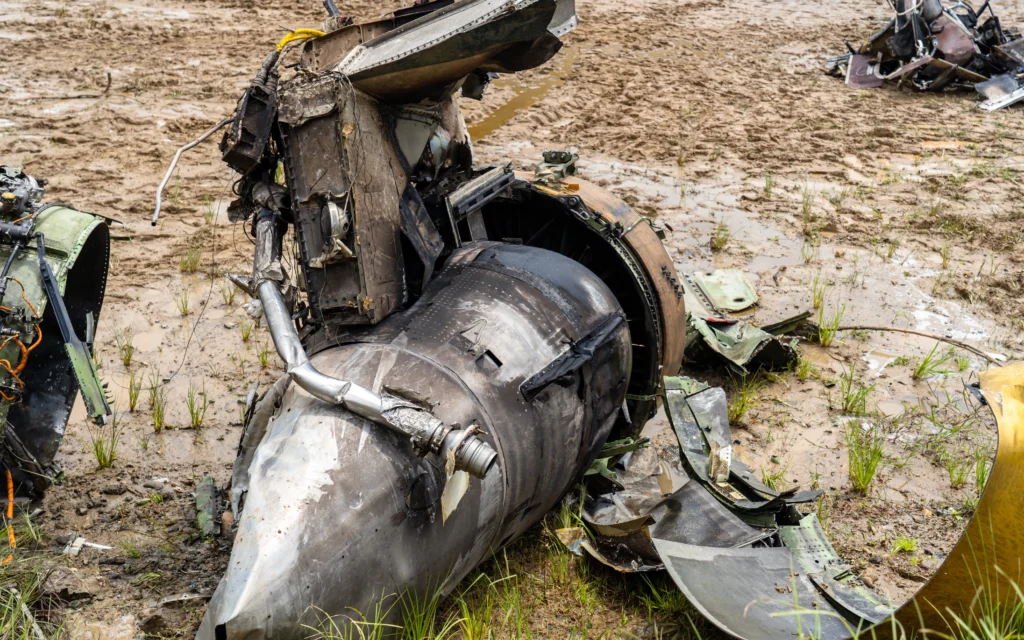
The downing of a U.S. fighter jet is a rare and serious occurrence, particularly in a region as sensitive as the Middle East. According to initial information, the aircraft involved was a sophisticated military jet operating in or near Iranian airspace. It was reportedly struck by defensive systems, causing it to crash.
The aircraft is believed to be an advanced model used for both air-to-air combat and ground strike missions. Such jets are equipped with cutting-edge technology, including radar systems, precision-guided munitions, and electronic warfare capabilities. This makes their loss not only a tactical setback but also a symbolic blow to military dominance.
What makes this incident even more critical is the fact that it occurred in a region already experiencing heightened tensions. Military operations, surveillance activities, and strategic positioning have all contributed to a fragile balance. The sudden destruction of a high-value aircraft disrupts that balance and introduces new uncertainties.
Adding to the gravity of the situation is the presence of two crew members onboard. While one has reportedly been rescued, the status of the second individual remains unclear. Search-and-rescue operations are underway, often involving specialized units trained to operate under extreme conditions. These missions are time-sensitive and carry their own risks, especially in contested areas.
Rising Military and Political Tensions
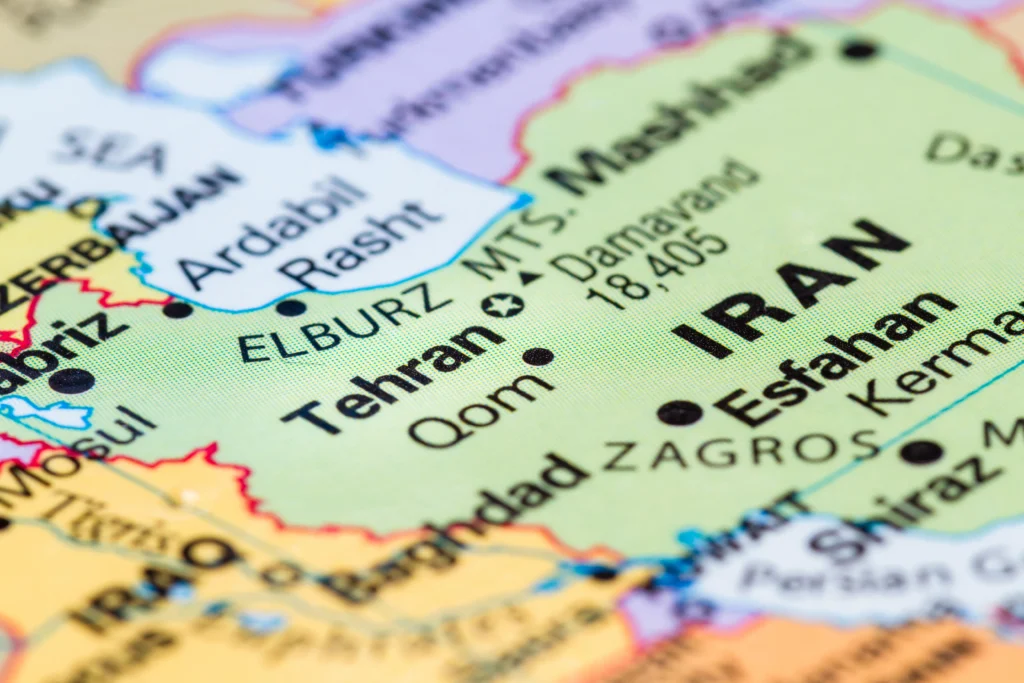
The downing of the jet has immediately intensified tensions between the United States and Iran. Incidents involving direct military confrontation are always dangerous, but this one stands out due to its scale and timing. Both countries have a long history of strained relations, and any escalation could have cascading effects across the region.
From a military perspective, such an event often triggers a review of strategy and readiness. Forces may be repositioned, defenses strengthened, and additional resources deployed. There is also the possibility of retaliatory actions, which could further inflame the situation. Even a limited response could set off a chain reaction involving allies and regional partners.
On the political front, leaders are likely to face intense pressure to respond decisively. Domestic audiences, international allies, and adversaries are all watching closely. Statements issued in the aftermath of such incidents are carefully crafted, as they can either de-escalate tensions or contribute to further conflict.
Diplomatic channels may also be activated in an attempt to manage the crisis. Behind-the-scenes negotiations, emergency meetings, and international mediation efforts could play a crucial role in preventing the situation from spiraling out of control. However, the success of these efforts depends on the willingness of all parties to engage constructively.
Global Impact and Strategic Implications
The implications of this incident extend far beyond the immediate region. Global markets, security alliances, and international relations could all be affected. When a major military power is involved in a direct confrontation, the ripple effects are felt worldwide.
One of the most immediate concerns is the potential disruption to global energy supplies. The Middle East remains a key hub for oil production and transportation. Any escalation in conflict could threaten shipping routes, increase prices, and create economic uncertainty.
Additionally, the incident may influence the strategies of other nations. Allies of the United States may express support or offer assistance, while other countries could reassess their own security policies. Rival powers may also view the situation as an opportunity to advance their interests, further complicating the geopolitical landscape.
From a military standpoint, the loss of a fighter jet raises questions about air defense capabilities and operational vulnerabilities. Analysts will likely study the event in detail to understand how the aircraft was targeted and what lessons can be learned. This could lead to changes in tactics, technology upgrades, and new approaches to conflict management.
The psychological impact should not be underestimated either. Such incidents can alter perceptions of power and deterrence. They send a message—not only to the countries involved but also to the international community—about the risks and realities of modern warfare.
What Happens Next: Possible Scenarios
As the situation continues to develop, several possible scenarios could unfold. The immediate priority remains the recovery of the missing crew member. Successful rescue efforts could help reduce tensions, while a prolonged search or unfavorable outcome could intensify the crisis.
In terms of military response, the United States may choose a range of options—from increased surveillance and defensive measures to more direct actions. Each decision will be carefully weighed against the potential consequences. A measured approach could help stabilize the situation, while a more aggressive stance could escalate it further.
Diplomatic efforts will likely play a critical role in shaping the outcome. International organizations and neutral parties may step in to facilitate الحوار and prevent further escalation. The effectiveness of these efforts will depend on timing, communication, and mutual interests.
There is also the possibility that this incident becomes a turning point, leading to broader changes in policy and strategy. It could prompt renewed discussions on conflict resolution, military engagement rules, and regional security frameworks. Alternatively, it could deepen divisions and set the stage for future confrontations.
Ultimately, the path forward remains uncertain. What is clear, however, is that the downing of a U.S. fighter jet over Iran is a significant event with the potential to reshape the geopolitical landscape. The coming days and weeks will be crucial in determining whether this crisis leads to escalation or a renewed effort toward stability.
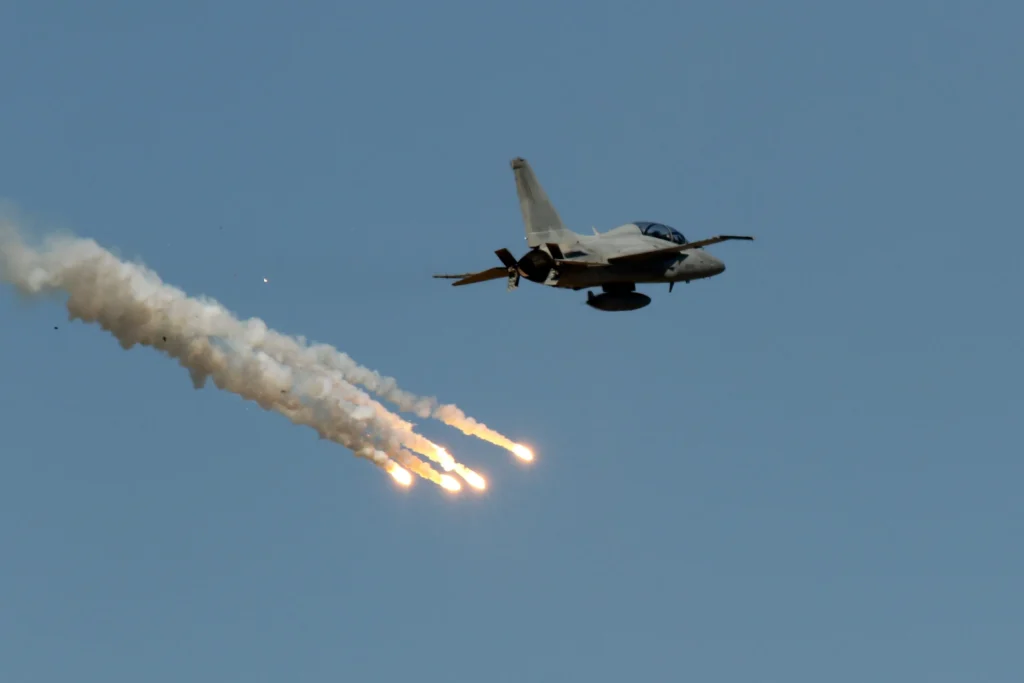
Table of Contents
US fighter jet shot down over Iran, 1 of 2 crew members rescued, US sources say | CNN Politics
Pam Bondi Fired as U.S. Attorney General by Trump – trendsfocus