
Tensions between the United States and Iran have intensified dramatically following a new wave of U.S. military strikes that reportedly targeted bridges and key transportation infrastructure inside Iran. The attacks mark a significant shift in strategy, expanding beyond military installations to include logistical networks that are believed to support the movement of personnel, equipment, and supplies.
The latest developments have heightened concerns among world leaders, security analysts, and financial markets. As both Washington and Tehran exchange warnings and military actions, fears are growing that the conflict could evolve into a broader regional confrontation with global consequences. Beyond the immediate military implications, the escalation raises questions about energy security, international diplomacy, and the future stability of the Middle East.
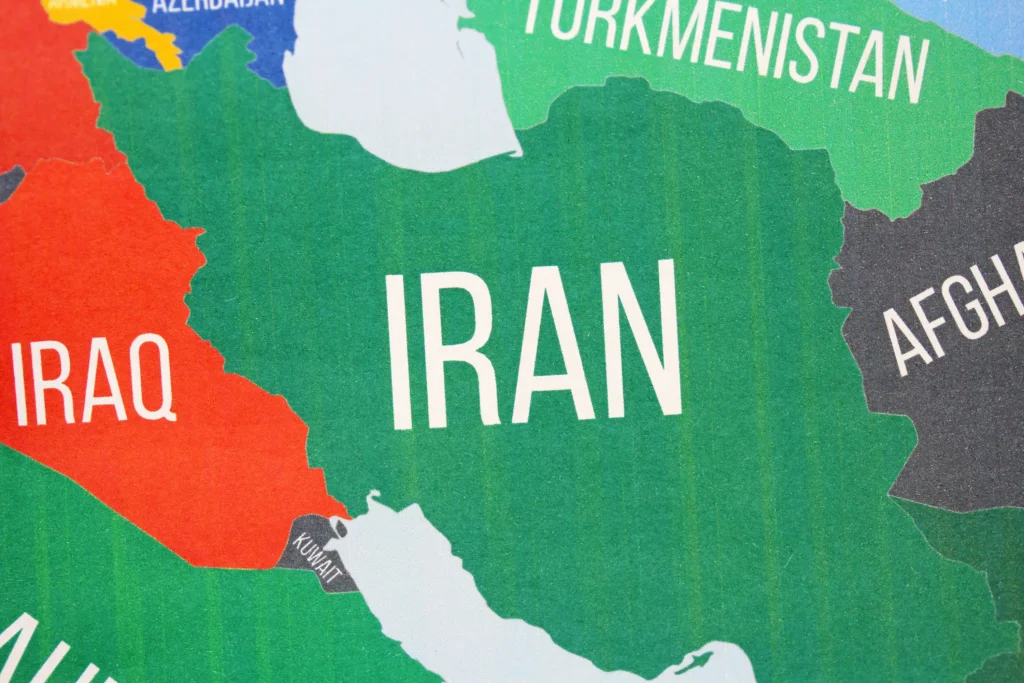
Trump Targets Iran’s Bridges as U.S. Expands Military Pressure
The United States has intensified its military operations against Iran by targeting strategic bridges and transportation routes that officials believe are essential to the country’s military logistics. According to reports, the strikes focused on infrastructure that enables the movement of military equipment and supplies across southern regions of Iran, particularly areas linked to critical strategic corridors.
Unlike previous operations that primarily focused on military facilities, weapons storage sites, and command centers, the latest strikes appear designed to weaken Iran’s ability to coordinate troop movements and maintain supply lines during any prolonged conflict.
The decision represents an evolution in U.S. military strategy. Rather than concentrating solely on eliminating military assets, disrupting transportation infrastructure could significantly slow Iran’s operational capabilities while increasing logistical challenges.
President Donald Trump has maintained that the objective is to increase pressure on Tehran and reduce its capacity to threaten U.S. interests and regional allies. Administration officials argue that these actions are intended to deter future aggression rather than initiate a broader war.
However, military experts note that infrastructure strikes often carry greater political and humanitarian implications because they can indirectly affect civilian transportation, commerce, and emergency services even when military objectives are the primary target.
Why Iran’s Transportation Network Matters Strategically
Iran possesses one of the largest transportation systems in the Middle East, connecting military bases, industrial centers, ports, and border regions through an extensive network of highways, bridges, and railways.
Bridges are particularly important because they serve as vital links across mountainous terrain and major rivers. Destroying or damaging these structures can significantly complicate military logistics by forcing longer travel routes or limiting the movement of heavy equipment.
Military analysts explain that disrupting transportation infrastructure can:
- Slow troop deployments
- Delay military supply deliveries
- Interrupt command coordination
- Reduce operational flexibility
- Increase repair and reconstruction costs
Several of the reported strikes occurred near southern Iran, an area that holds enormous strategic significance because of its proximity to the Strait of Hormuz.
The Strait of Hormuz remains one of the world’s most important maritime chokepoints. Roughly one-fifth of global oil shipments pass through the narrow waterway each day. Any military activity in or around the region immediately attracts worldwide attention because disruptions could affect international energy markets and shipping routes.
By targeting infrastructure connected to this region, the United States may be attempting to limit Iran’s ability to rapidly reposition military assets while also signaling that strategic economic routes remain under close observation.
Iran Responds as Regional Tensions Continue to Rise
Iranian officials have strongly condemned the strikes, describing them as violations of national sovereignty and accusing Washington of deliberately escalating the conflict.
Government leaders have pledged to continue defending the country’s territorial integrity while warning that further attacks could trigger additional retaliation.
In recent weeks, Iran has reportedly launched retaliatory actions against U.S. interests and allied positions across the Middle East. Although details continue to emerge, the exchanges have increased military activity throughout the region, placing neighboring countries on heightened alert.
Regional governments are now carefully monitoring developments, concerned that continued escalation could spill across national borders and destabilize an already volatile security environment.
Diplomatic channels remain active, but progress has been limited as both governments maintain firm public positions.
International organizations have repeatedly urged restraint, emphasizing that military escalation increases risks for civilians while reducing opportunities for meaningful negotiations.
Security analysts caution that once infrastructure becomes part of military targeting strategies, the potential for prolonged conflict often increases because reconstruction efforts require significant resources and time.
Economic and Global Consequences of the Escalation
Although the military confrontation remains geographically concentrated, its economic effects are already being felt worldwide.
Energy markets closely monitor every development involving Iran because the country occupies a strategic location near major oil export routes.
Whenever tensions increase near the Strait of Hormuz, investors often anticipate possible disruptions to global energy supplies. Even temporary interruptions can contribute to:
- Higher oil prices
- Increased transportation costs
- Rising shipping insurance premiums
- Greater market volatility
- Inflationary pressure on consumer goods
Shipping companies operating in the Persian Gulf may also face increased operational risks, leading some firms to reconsider routes or enhance security measures.
Financial markets generally react cautiously to geopolitical uncertainty. Investors frequently move toward safer assets during periods of heightened international tension, creating fluctuations across stock, commodity, and currency markets.
Meanwhile, governments throughout Europe, Asia, and the Middle East continue evaluating contingency plans in case the conflict expands further.
Many nations rely heavily on stable energy supplies from the Gulf region, making diplomatic efforts increasingly important as policymakers seek to avoid disruptions that could affect global economic growth.
What Comes Next for U.S.-Iran Relations?
The latest strikes represent another chapter in the long and complex relationship between Washington and Tehran.
Although both sides continue to exchange military pressure, neither government has publicly indicated an immediate willingness to significantly reduce tensions.
Military analysts believe several possible scenarios could unfold over the coming weeks.
One possibility involves continued limited strikes designed to weaken military capabilities without triggering full-scale war.
Another scenario could see increased retaliation from Iranian-backed groups operating throughout the Middle East, potentially expanding the geographical scope of the conflict.
Diplomatic negotiations remain another possibility, particularly if international mediators succeed in bringing both parties back to the negotiating table.
However, diplomacy becomes increasingly difficult as military actions intensify and political rhetoric hardens.
The international community continues urging restraint while emphasizing the importance of avoiding actions that could threaten civilian populations or disrupt global economic stability.
Regardless of how events develop, the current escalation demonstrates how quickly regional conflicts can influence international security, energy markets, and diplomatic relations.
For businesses, investors, governments, and ordinary citizens alike, developments involving the United States and Iran will remain among the most closely watched geopolitical stories in the weeks ahead.
Conclusion
The reported U.S. strikes targeting bridges and transportation infrastructure inside Iran mark a notable escalation in the ongoing confrontation between Washington and Tehran. By expanding military operations beyond traditional strategic targets, the conflict has entered a new and potentially more complex phase.
While U.S. officials argue the strikes are intended to weaken Iran’s logistical capabilities, Iranian leaders view them as a dangerous escalation that demands a response. As military activity continues and diplomatic efforts struggle to gain momentum, concerns about regional stability and global economic impacts continue to grow.
The coming days will be critical in determining whether both sides move toward further confrontation or renewed diplomatic engagement. With the Strait of Hormuz, international energy markets, and regional security all at stake, the world will be watching closely as one of the Middle East’s most consequential geopolitical crises continues to unfold.
Table of Contents
US expands its airstrike campaign against Iran | AP News
Venezuela After Maduro: The Next Big Political Transformation – trendsfocus