
When you think about modern energy infrastructure, few projects stand out quite like the Trans-Alaska Pipeline. Completed on October 26, 1977, this monumental achievement not only transformed the Alaskan landscape but also reshaped America’s energy future. For over four decades, it has been an essential part of U.S. oil production, carrying millions of barrels of crude oil from Alaska’s remote northern region to the bustling markets of the world.
In this article, we’ll take you on a journey through the history, engineering challenges, economic significance, and lasting impact of the Trans-Alaska Pipeline. You’ll learn how this project went from a risky idea to an irreplaceable part of U.S. energy infrastructure and why its completion on that historic day in 1977 still echoes through the industry today.
What is the Trans-Alaska Pipeline?
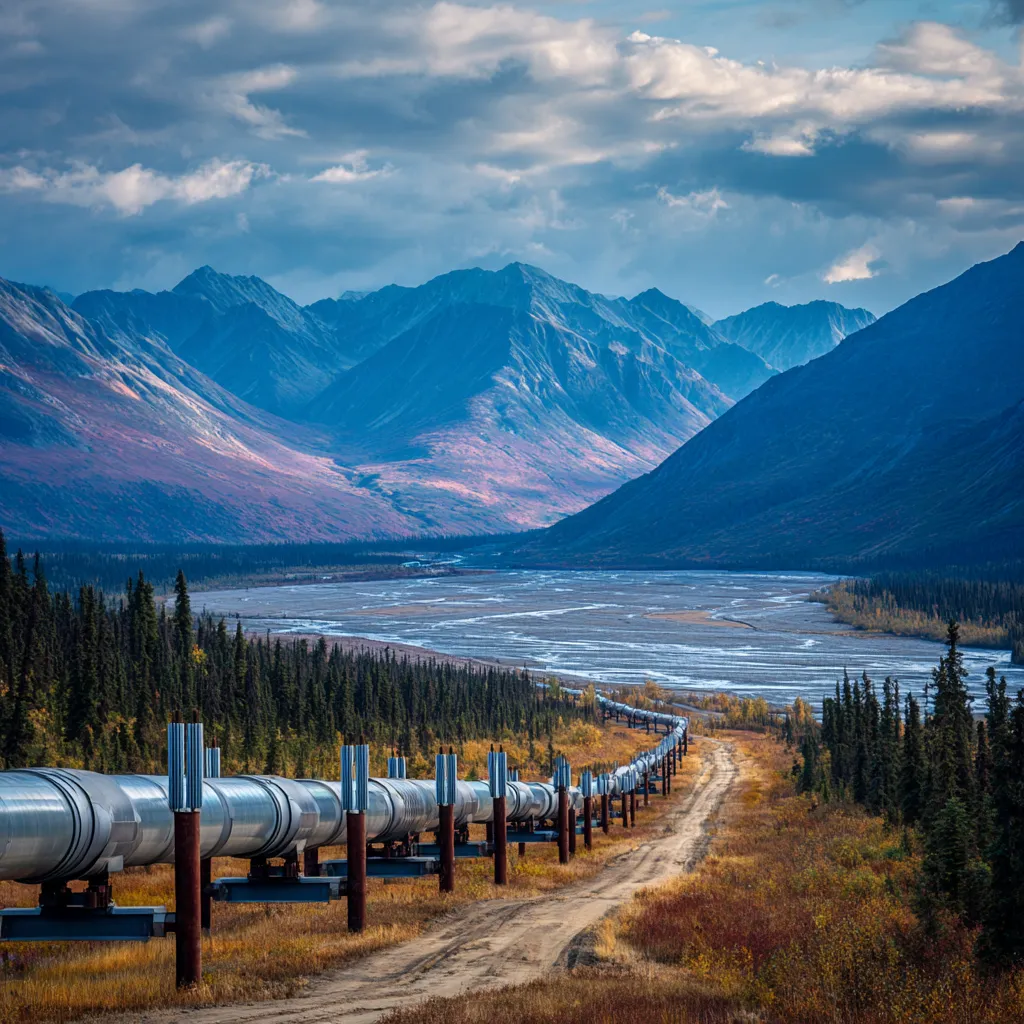
Before diving into its historical significance, it’s important to understand what the Trans-Alaska Pipeline is. Simply put, it’s an 800-mile pipeline that carries crude oil from the oil fields of Prudhoe Bay in northern Alaska to the port of Valdez, where it is shipped to refineries and global markets.
The Trans-Alaska Pipeline is not just a pipe in the ground. It’s a testament to the innovative engineering and bold vision required to make it a reality. Built to withstand some of the harshest weather conditions and most difficult terrains in the world, the pipeline is a symbol of both human ingenuity and perseverance.
A Monumental Engineering Feat
One of the most remarkable aspects of the Trans-Alaska Pipeline is the sheer scale of its construction. Stretching over 800 miles across rugged landscapes, including mountain ranges, frozen tundra, and seismic zones, the pipeline was an engineering marvel.
Challenges Faced by Engineers
Imagine trying to build a pipeline through extreme temperatures that can plunge to -60°F in the winter. The team behind this project had to confront obstacles that were more than just physical. The challenging terrain, including permafrost, swift rivers, and unstable soil, required cutting-edge technology and innovative solutions.
To deal with these obstacles, the engineers used elevated supports to keep the pipeline off the ground, preventing it from melting the permafrost beneath. In other areas, special coatings and heating systems were designed to prevent the pipeline from freezing.
Some other notable engineering innovations included:
- Seismic bracing: The pipeline was designed to withstand earthquakes, a must in this seismically active region.
- Flexible joints: These were installed to ensure the pipeline could adapt to ground shifts and temperature changes.
Designing for Wildlife
Perhaps the most impressive feature of the Trans-Alaska Pipeline’s design is its consideration for the local wildlife. Alaska is home to diverse species, including caribou, polar bears, and migratory birds, all of which were factored into the pipeline’s construction. Elevated sections of the pipeline allowed caribou herds to pass freely beneath it, ensuring minimal disruption to their migration routes.
Why October 26, 1977, Was a Historic Day for Energy
On October 26, 1977, the Trans-Alaska Pipeline officially opened, marking a major turning point in the history of U.S. energy production. But why was this particular day so significant?
A Solution to the Energy Crisis
The 1970s were a time of heightened energy insecurity for the United States. The oil embargoes of the previous decade had already shown the country’s vulnerability to foreign energy supply disruptions. With global oil prices rising and supply issues becoming a more frequent concern, the U.S. was looking for a way to reduce its dependence on foreign oil.
The Trans-Alaska Pipeline provided just that. By tapping into the vast oil reserves of Alaska, the pipeline helped the U.S. become more self-sufficient in its oil production. The pipeline opened the floodgates to a steady and reliable supply of crude oil, which contributed to the economic stability of the country for years to come.
Economic Impact
In the years that followed its completion, the pipeline would become a vital cog in the U.S. economy. It boosted local economies, particularly in Alaska, where it created thousands of jobs and spurred infrastructure development. At its peak, the pipeline was capable of transporting 2 million barrels of oil per day—a staggering amount that helped stabilize global oil markets.
The construction of the pipeline also had significant political implications, as it demonstrated the power of public-private partnerships and set the stage for future energy projects.
The Economic Impact of the Trans-Alaska Pipeline
Let’s take a closer look at how the Trans-Alaska Pipeline affected both local and national economies.
Job Creation and Infrastructure Development
Building the Trans-Alaska Pipeline was no small feat—it required the labor of over 70,000 workers during its construction. In Alaska, the project provided a much-needed economic boost, creating jobs in both the public and private sectors.
The pipeline’s construction also led to the development of key infrastructure. Roads, bridges, and airstrips were built to support the pipeline’s construction and maintenance. These developments have continued to serve the state long after the pipeline’s completion.
Long-Term Benefits for the U.S.
On a national scale, the pipeline helped reduce U.S. reliance on foreign oil. The U.S. became more self-sufficient in its energy needs, securing a steady supply of oil for years to come. The pipeline also created a ripple effect across various industries, from logistics and transportation to manufacturing and engineering.
Boosting Alaska’s Economy
For Alaska, the pipeline was nothing short of transformative. Revenue generated from the oil transported via the pipeline contributed significantly to the state’s economy. It funded public services, infrastructure projects, and state programs. In fact, the Alaska Permanent Fund, which provides dividends to Alaskan residents, was built largely from the oil revenues generated by the pipeline.
Environmental Impact and Controversies
While the Trans-Alaska Pipeline has been lauded for its engineering prowess and economic contributions, it hasn’t been without controversy. Environmental concerns have remained a prominent part of the conversation around the pipeline, especially as the oil industry has evolved in the wake of climate change awareness.
Environmental Risks
Despite efforts to minimize the impact on the environment, the pipeline has been responsible for several oil spills over the years. The most notable was the 2006 spill near the Prudhoe Bay area, which raised concerns about the pipeline’s long-term sustainability.
However, the Alaska Pipeline Company has made substantial investments in technology to monitor and improve the pipeline’s safety. This includes leak detection systems, regular maintenance checks, and continuous monitoring to prevent further environmental damage.
Balancing Growth with Protection
The need for energy and economic growth has often clashed with environmental protection efforts. Advocates for the environment have argued that the risks associated with transporting oil in such a fragile ecosystem are too high. However, the pipeline has been built with stringent regulations to protect wildlife and prevent major disruptions to Alaska’s ecosystems.
The Legacy of the Trans-Alaska Pipeline
Today, the Trans-Alaska Pipeline remains a cornerstone of U.S. energy infrastructure, but what does the future hold for this iconic pipeline?
Maintaining and Upgrading the Pipeline
Though the pipeline is still operational, its capacity has decreased over time. As oil production in Alaska has slowed, the amount of crude oil flowing through the pipeline has diminished. However, the pipeline is still maintained and upgraded regularly, with newer technology and monitoring systems to ensure its safety and efficiency.
The Future of Oil and Renewable Energy
Looking forward, the future of the Trans-Alaska Pipeline is uncertain. As the world transitions to renewable energy, the demand for oil may continue to decline. However, the pipeline remains a critical component of the nation’s energy supply, and it may play a role in the energy mix for years to come.
Lessons Learned from TAPS
The Trans-Alaska Pipeline stands as an enduring example of how large-scale infrastructure projects can shape both local economies and global industries. The lessons learned from its construction and operation have paved the way for future energy projects, inspiring innovation in energy transport, safety, and environmental protection.
Conclusion: The Enduring Legacy of the Trans-Alaska Pipeline
The completion of the Trans-Alaska Pipeline on October 26, 1977, was not just an engineering triumph; it was a landmark moment in energy history. The pipeline not only provided a crucial solution to the U.S. energy crisis of the 1970s but also created long-lasting economic and environmental impacts that continue to shape the industry today.
As you reflect on the Trans-Alaska Pipeline, consider how far energy infrastructure has come—and how much further it must go to meet the challenges of the future. What role will pipelines like TAPS play in the future of energy? And how will innovation continue to drive progress in the years ahead?
Call to Action:
We’d love to hear your thoughts on the Trans-Alaska Pipeline. Do you think projects like this are still necessary in the modern era, or should we focus more on sustainable energy solutions? Leave your comments below or share this article on social media to keep the conversation going.
Table of Contents
https://www.trendsfocus.com/tech-detox-discover-the-power-of-unplugging/