
If you’ve ever watched an elite athlete perform, you’ve probably marveled at their speed, strength, and unwavering focus. Whether they’re sprinting across the finish line, lifting a world-record-breaking weight, or executing a flawless routine, there’s something undeniably captivating about how they perform. But here’s the thing: these athletes didn’t get there by chance. They train like professionals—and you can too.
Training like a pro isn’t just about pushing yourself harder in the gym or running that extra mile. It’s about adopting a strategic, disciplined approach to every aspect of your training: from your mindset, to your nutrition, to your recovery strategies. And while you may not be preparing for the Olympics, the tips and lessons learned from the world’s best athletes can help you unlock your full potential—no matter your fitness goals.
In this article, we’ll break down the top strategies used by elite athletes to achieve peak performance. Whether you’re a weekend warrior, a fitness enthusiast, or someone looking to elevate your game, these pro-level training techniques will help you train smarter, recover better, and reach your fitness goals faster.

Mentality First: The Power of a Champion Mindset
Before you even think about hitting the gym or heading to the track, you need to lay the foundation with a strong mindset. Elite athletes often talk about how their mental game is just as important as their physical training. Developing a champion mindset can give you the resilience and mental toughness needed to push through difficult workouts and setbacks.
Adopt a Growth-Oriented Attitude
A key trait that sets professional athletes apart from amateurs is their growth mindset. Instead of seeing challenges as roadblocks, they view them as opportunities to learn and grow. As an athlete, you can do the same. If you find yourself struggling with a certain exercise or skill, don’t get discouraged—use it as a chance to improve.
How to Cultivate a Growth Mindset:
- Focus on progress, not perfection: Elite athletes know they won’t get everything right on the first try. They focus on the small improvements that accumulate over time.
- Embrace challenges: When something is difficult, it’s a sign that you’re pushing yourself. View it as a learning experience rather than a failure.
- Learn from mistakes: Mistakes aren’t setbacks; they’re valuable lessons. Instead of getting discouraged by a missed lift or a poor race time, ask yourself, “What can I learn from this?”
Visualization and Goal Setting
Visualization is a powerful tool used by elite athletes to improve their performance. By mentally rehearsing every move, they prime their brains for success. Top athletes like Michael Phelps have spoken about how they visualize every race, right down to each stroke and turn. You can do this too, no matter your sport.
Tips for Effective Visualization:
- Create vivid mental images: Picture yourself achieving your goal. Imagine how you’ll feel, how your body will move, and how others will react. The more detailed, the better.
- Set clear, actionable goals: Instead of vague aspirations like “get stronger” or “run faster,” break your goals into smaller, measurable targets. For example, “increase my squat weight by 20 pounds in the next 3 months” or “cut 30 seconds off my 5K time.”
- Track progress regularly: Review your goals regularly to ensure you’re on track and adjust them as needed.

Structured Training Plans: The Blueprint for Success
Elite athletes don’t simply train haphazardly—they follow carefully structured plans. A well-organized training regimen helps them peak at the right time, avoid overtraining, and ensure they’re making consistent progress.
The Importance of Periodization
One of the key components of professional athletes’ training programs is periodization, which involves breaking down training into distinct phases to optimize performance and prevent burnout.
Key Phases of Periodization:
- Preparation Phase: This phase focuses on building the foundation—strength, flexibility, and endurance.
- Competition Phase: In this phase, the training shifts toward sport-specific skills and refining technique.
- Transition Phase: This is the recovery period, where athletes focus on rest and active recovery.
By dividing your training into phases, you ensure that you don’t push too hard for too long, giving your body the time it needs to adapt and recover.
Strength and Conditioning: The Foundation of Athleticism
No matter the sport, strength and conditioning form the backbone of an elite athlete’s training program. Whether you’re a runner, cyclist, or weightlifter, building strength and stability will enhance your performance and reduce the risk of injury.
Key Strength Training Tips:
- Focus on compound movements: Squats, deadlifts, and bench presses are essential for building overall strength.
- Incorporate both heavy lifting and high-rep work: Varying your rep schemes and intensity keeps your body from adapting too quickly and helps you break through plateaus.
- Balance strength with mobility: Strength isn’t just about size—it’s about functional movement. Make sure your program includes exercises to improve joint mobility and flexibility, like lunges, hip openers, and shoulder rotations.
Recovery: Training Without Burnout
While training is important, recovery is just as crucial to long-term progress. Elite athletes know that consistent, intense training without proper rest can lead to overtraining, injury, and burnout. A balance of hard work and recovery is what ultimately leads to peak performance.
Recovery Techniques to Adopt:
- Active recovery days: Include low-intensity activities like swimming, yoga, or walking on your rest days to keep blood circulating and aid muscle recovery.
- Prioritize sleep: Aim for 7-9 hours of quality sleep each night. Sleep is when your muscles repair and grow.
- Use tools for muscle recovery: Foam rollers, massage guns, and stretching routines can help relieve tension and prevent muscle tightness.

Nutrition: Fueling Your Body Like an Elite Athlete
You can train as hard as you want, but without proper nutrition, your body won’t have the fuel it needs to perform at its best. Elite athletes pay close attention to what they eat, as it directly impacts their energy levels, recovery, and overall performance.
Nutrition for Peak Performance
Professional athletes follow strict nutrition plans designed to fuel their bodies for optimal performance. Understanding what to eat, when to eat, and how to hydrate can make a significant difference in how well you train and recover.
Key Nutrition Tips:
- Balance macronutrients: Make sure you’re getting the right amount of carbohydrates (for energy), protein (for muscle repair), and healthy fats (for overall health and recovery).
- Meal timing matters: Eating a meal rich in carbs and protein 1-2 hours before training can provide energy, while post-workout meals help speed up recovery. Aim to eat within 30 minutes to 1 hour after exercise.
- Hydrate properly: Dehydration can impair your performance and recovery. Drink water consistently throughout the day and consider a sports drink for longer workouts to replenish electrolytes.
Hydration: The Unsung Hero
Proper hydration is often overlooked but is critical for peak performance. Dehydration can lead to fatigue, muscle cramps, and decreased endurance—none of which are ideal for training like a pro.
Hydration Tips for Athletes:
- Drink water throughout the day: Don’t wait until you’re thirsty to hydrate. Aim to drink water regularly, especially before and after exercise.
- Use electrolyte drinks for long sessions: If you’re working out for more than an hour, replenish lost electrolytes with drinks that contain sodium and potassium.
Consistency and Discipline: The Cornerstones of Athletic Success
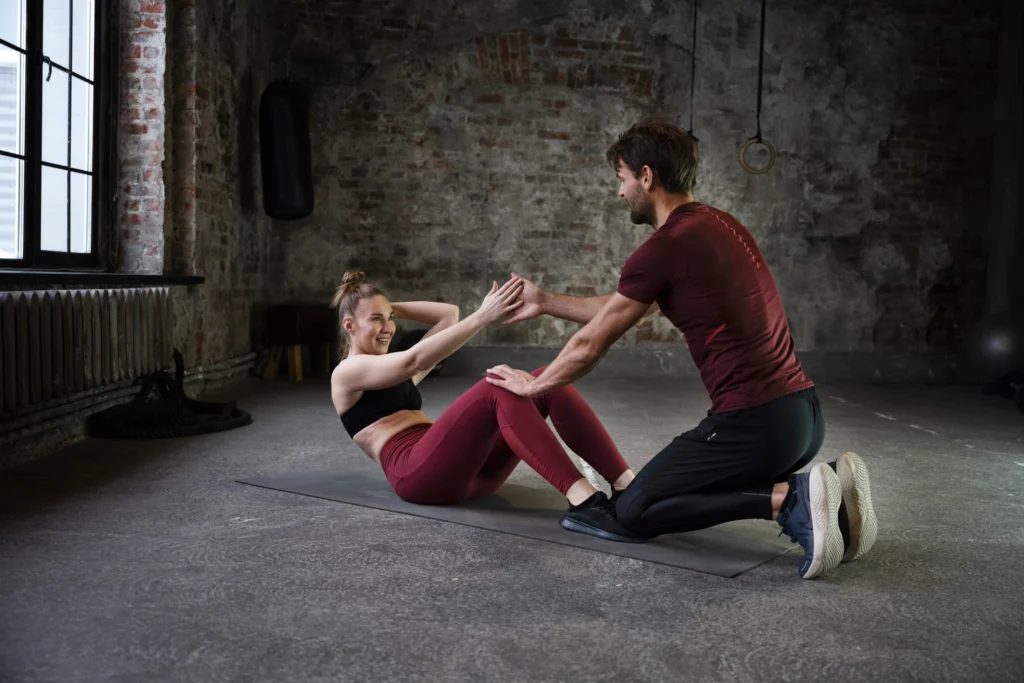
What separates elite athletes from the rest is their unwavering consistency and discipline. They train day in and day out, even when motivation wanes or life gets in the way. You too can develop this level of discipline by committing to a consistent routine and staying focused on your goals.
The Role of Routine and Consistency
One of the biggest takeaways from top athletes is that success is built on a foundation of consistency. They don’t wait for motivation to strike; they follow their routines regardless of how they feel. This level of commitment ensures that they continue to improve over time.
Building Consistency into Your Training:
- Set specific training days: Treat your workouts like appointments that can’t be missed. Schedule them in advance and stick to the plan.
- Track your progress: Record your workouts, noting what’s working and where you need improvement. This keeps you accountable and helps you see progress over time.
Push Your Limits, But Know When to Rest
Elite athletes are known for pushing their bodies to the limit, but they also know the importance of rest. Overtraining can lead to injury and burnout, so it’s crucial to listen to your body and allow for recovery when needed.
Finding the Balance Between Push and Rest:
- Don’t ignore signs of fatigue: If you’re feeling excessively sore or tired, it’s okay to take a break.
- Use deload weeks: Incorporate lighter training weeks into your routine every 4-6 weeks to give your body a chance to recover.
Training Like a Pro: Integrating Sports Science
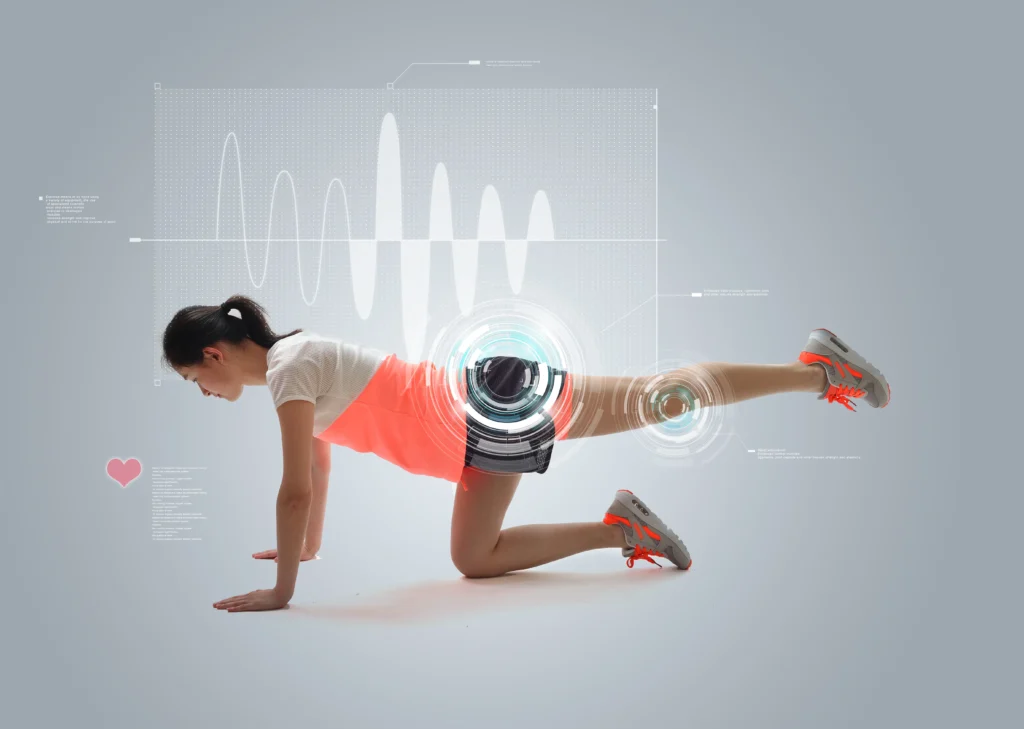
Professional athletes use sports science to optimize their performance. From wearable technology to injury prevention, athletes are increasingly turning to science-backed tools to train smarter, not harder.
Smart Technology for Performance Monitoring
Wearables and other fitness technology have become essential tools for elite athletes. Devices like heart rate monitors, GPS trackers, and smartwatches help athletes track their progress and make data-driven decisions about their training.
How Technology Can Help You Train Like a Pro:
- Track heart rate and recovery: Monitoring your heart rate during exercise helps ensure you’re training at the right intensity, while tracking recovery helps you avoid overtraining.
- Use GPS trackers for outdoor training: Whether you’re running, cycling, or hiking, a GPS tracker can help you measure distance, speed, and route performance.
Conclusion: Train Like a Pro, Live Like a Pro
Training like a pro is about more than just increasing your physical strength—it’s about developing a mindset, creating a plan, and committing to a lifestyle that supports your goals. By adopting the habits and strategies used by elite athletes, you can achieve faster progress, prevent injury, and improve your overall performance.
So, are you ready to start training like a pro? Whether you’re working towards a personal best or simply want to take your fitness to the next level, the principles outlined in this article will guide you on your journey. Remember, success in training comes from consistency, dedication, and a well-rounded approach—mental, physical, and nutritional. It’s time to train smarter, not harder. Now go ahead and unleash your inner athlete.
FAQs: Training Like a Pro
Q1: How can I train like a pro without access to a gym?
- Answer: You don’t need a gym to train like a pro. Elite athletes often train using bodyweight exercises, resistance bands, and outdoor workouts. Focus on compound movements like push-ups, squats, lunges, and planks to build strength. Running, cycling, or swimming are great cardio alternatives. You can also invest in a few basic tools like dumbbells or kettlebells for more variety. There are plenty of apps and online programs designed to help you train at home with minimal equipment.
Q2: How important is recovery in training like a pro?
- Answer: Recovery is absolutely crucial. It’s not just about taking rest days—it’s about ensuring your muscles, joints, and nervous system have time to repair and rebuild after intense training. Professional athletes prioritize rest as part of their training cycle. Incorporate strategies like active recovery (light yoga, stretching, or walking), foam rolling, massage, and, most importantly, quality sleep. A lack of recovery can lead to overtraining, increased injury risk, and stalled progress.
Q3: Do I need a strict diet to train like a pro?
- Answer: While you don’t need to follow an exact pro athlete’s diet, eating a balanced, nutrient-dense diet is vital to training like one. Elite athletes focus on fueling their bodies for optimal performance, which includes proper macronutrient balance—carbs for energy, protein for muscle recovery, and healthy fats for joint and hormonal health. You’ll also want to stay hydrated and time your meals around workouts (e.g., eating protein and carbs before and after training). Focus on whole foods—lean meats, fruits, vegetables, whole grains, and healthy fats—rather than processed options.
Q4: How can I stay motivated to train like a pro?
- Answer: Motivation can fluctuate, but the key to training like a pro is consistency. Set clear, actionable goals and break them down into smaller, more manageable milestones. Tracking progress (whether through performance metrics or physical changes) can keep you motivated. Build a routine and stick to it, even when you don’t feel like it. Surround yourself with like-minded individuals or a workout partner who shares your commitment. Finally, visualize your goals, just like professional athletes do—imagine the satisfaction of achieving them, which will help push you through tough moments.
Q5: Is sports technology worth the investment for amateur athletes?
- Answer: Absolutely! While it may seem like something reserved for professionals, many tools and devices designed for performance tracking can be incredibly helpful for anyone looking to train smarter. Wearables like heart rate monitors, GPS watches, or smartwatches can help you track your workouts, monitor your heart rate, and gauge recovery times. Using data from these devices can optimize your training, adjust intensity, and help you avoid injury. If you’re serious about your training, these tools can provide valuable feedback to improve your performance.
Q6: How can I avoid injury while training like a pro?
- Answer: Injury prevention is a major focus for elite athletes, and it should be for you as well. Incorporate warm-ups and cool-downs before and after every workout to prepare your muscles and prevent strain. Focus on form and technique during all exercises, as improper movement patterns can lead to injury. Regularly include mobility exercises to improve joint health and flexibility. Don’t skip rest days—your body needs time to repair itself. If you feel pain (not just discomfort), stop and address the issue before continuing. Consider seeing a sports physiotherapist for advice on injury prevention techniques.
Q7: How do I know if I’m training at the right intensity?
- Answer: Training at the right intensity is key to making progress without overexerting yourself. One way to measure intensity is by using the Rate of Perceived Exertion (RPE) scale, which ranges from 1 (very light) to 10 (maximum effort). Aim to train between 7-9 for most intense sessions, but avoid consistently pushing yourself to a 10 unless you’re specifically testing your limits. If you’re using heart rate data, you can work within certain percentage ranges of your maximum heart rate (usually between 70-85% for endurance and 80-95% for high-intensity efforts). Listening to your body—being mindful of fatigue and soreness—will also help gauge whether your intensity is on point.
Q8: Should I follow a coach or trainer to train like a pro?
- Answer: Having a coach or trainer is a great way to get personalized feedback and ensure you’re training effectively. A professional can tailor a program to your specific goals, prevent you from making common mistakes, and push you to train at your highest potential. However, many athletes have had great success by following well-designed workout programs, utilizing online resources, or even virtual coaching. If you prefer independent training, focus on structuring your program with varied exercises, progressive overload, and recovery to make it as effective as possible. But if you’re serious about advancing quickly or tackling specific goals, a coach can make a big difference.
Q9: What’s the best way to avoid burnout while training hard?
- Answer: Burnout is a real risk, especially if you push too hard without enough rest. Elite athletes avoid burnout by incorporating periods of active recovery, focusing on nutrition, and ensuring proper sleep. To avoid it, you should:
- Schedule deload weeks where the intensity of your training drops significantly to allow your body to recover.
- Include variety in your workouts to avoid mental and physical fatigue from doing the same exercises repeatedly.
- Monitor your stress levels—if you’re feeling mentally drained, it may be a sign to reduce the intensity of your training for a short time.
Q10: Can training like a pro help me achieve long-term fitness goals?
- Answer: Yes! Adopting the disciplined, structured approach of a pro athlete can certainly help you achieve long-term fitness success. By focusing on consistency, balanced training, proper recovery, and nutrition, you’ll set yourself up for sustainable progress over time. While professional athletes may have a higher baseline, many of the strategies they use—like goal setting, visualization, and smart training—are universal and can help anyone, regardless of their current fitness level. The key is staying committed, tracking your progress, and adjusting your approach based on how your body responds.
Table of Contents
https://www.trendsfocus.com/why-cross-training-is-key-success-in-any-sport/