
The #MeToo Movement, which began as a whisper, has now become a force that demands attention, change, and accountability. From its inception as a simple hashtag to a global social revolution, the movement has profoundly affected countless individuals and industries. But now, as the conversation continues, you might be asking yourself: What comes next for the #MeToo Movement?
In this article, we’ll explore the future of the #MeToo Movement. From the next steps for survivors and activists to how industries, businesses, and governments will adapt to this cultural shift, you’ll discover what you can expect in the coming years. It’s an exciting, challenging time, and the movement is far from over. Let’s look ahead.
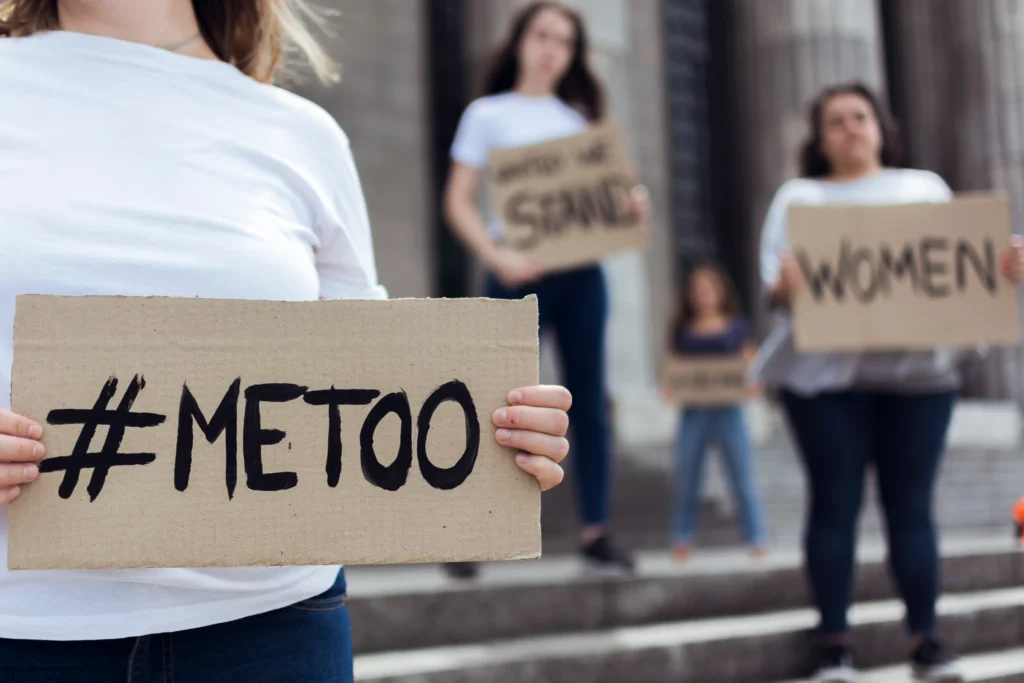
The Current State of the #MeToo Movement
The Progress So Far
Since #MeToo first gained attention in 2017, the movement has made remarkable progress. What started as a call for survivors to share their stories has become a worldwide conversation about power, consent, and the systemic issues surrounding sexual harassment and abuse.
Key accomplishments:
- Increased awareness about the prevalence of sexual harassment and abuse in all industries.
- Public accountability for high-profile individuals in entertainment, politics, and beyond.
- The development of stronger workplace policies to prevent harassment.
- More survivors feeling empowered to share their stories without fear of retaliation.
Despite these accomplishments, the journey is far from complete. There are still barriers to overcome, especially when it comes to cultural perceptions, legal systems, and corporate practices. However, as you’ll see in the following sections, these challenges also represent opportunities for growth and change.
Challenges Faced by the Movement
Even with significant progress, there are still several obstacles that the #MeToo Movement needs to address:
- Legal barriers: Survivors still face legal hurdles when trying to seek justice, including complex laws that make it difficult to report harassment or abuse.
- Media sensationalism: Some media outlets focus on sensational stories, which can undermine the credibility of survivors and hinder meaningful progress.
- Backlash: As the movement grows, so does resistance. Some people feel that the movement has gone too far, raising questions about due process and fairness.
Despite these challenges, the movement has continued to grow, and it’s clear that the fight for justice is not slowing down anytime soon.

The Next Steps for Survivors and Activists
Empowering Survivors: What’s Next?
For survivors, the future of #MeToo must focus on continuing to create spaces for their voices to be heard. It’s crucial to ensure that survivors have access to the support and resources they need to heal and seek justice.
Steps to take moving forward:
- Mental health support: Ensuring that survivors have access to trauma-informed care is critical to the long-term success of the movement.
- Community networks: Survivors need to continue building and supporting each other. Peer support groups, online forums, and advocacy organizations can help survivors feel less isolated and more empowered.
- Ongoing legal assistance: Access to legal resources remains essential, especially in navigating the complex processes of reporting abuse and seeking justice.
Activists’ Role in Shaping the Future
Activists have played a crucial role in the success of the #MeToo Movement, and they will continue to be at the forefront of its evolution. Activism is about more than just raising awareness; it’s about pushing for systemic change that will protect survivors and hold abusers accountable.
Key actions for activists:
- Push for legal reforms: Activists can continue lobbying for stronger laws that protect survivors and hold perpetrators accountable.
- Grassroots movements: Small, local efforts are just as important as large-scale campaigns. Activists can help create change in their own communities by hosting awareness events, speaking out, and engaging in direct action.
- Engage with media and corporations: Activists can work with the media to ensure that the stories of survivors are told respectfully and accurately. They can also hold corporations accountable by pushing for stronger anti-harassment policies and more inclusive work environments.

The Role of Business and Workplace Reforms
Corporate Responsibility and Accountability
As businesses adapt to the changes brought on by the #MeToo Movement, one thing is clear: corporate responsibility is essential. Companies are now expected to not only comply with laws but to take proactive steps to create safe, respectful workplaces for all employees.
What businesses can do:
- Implement clear anti-harassment policies: Clear, easily accessible policies should be in place to help employees report harassment without fear of retaliation.
- Training and education: Regular training on issues like consent, harassment, and gender equality can help create a more respectful work environment.
- Accountability measures: Companies should hold their leaders accountable by implementing transparent reporting procedures and ensuring that all allegations are taken seriously.
As you can see, companies that make these changes are not just complying with legal requirements—they are taking steps to make their workplaces safer and more inclusive for everyone.
The Future of Workplace Culture
One of the most profound changes resulting from #MeToo is the way workplaces are evolving. The movement has forced companies to reexamine their cultures and policies, and many are taking significant steps to improve their environments.
Key trends in workplace culture:
- Diversity and inclusion: Companies are placing a stronger emphasis on diversity, making it a key part of their culture and business strategy.
- Mental health support: There’s a growing recognition of the importance of mental health, and businesses are offering better support systems for employees dealing with the psychological effects of harassment.
- Leadership accountability: More companies are focusing on holding senior leadership accountable for maintaining safe and respectful environments.
The workplace culture of tomorrow will likely be one where respect, equality, and safety are the cornerstones. This shift will be critical in ensuring the long-term success of the #MeToo Movement.
Legal and Policy Changes: What’s on the Horizon?
The Legal Landscape and #MeToo
The legal landscape surrounding sexual harassment and abuse is evolving rapidly, thanks to the efforts of activists and policymakers. As the #MeToo Movement gains traction, governments are beginning to implement stronger protections for survivors and hold perpetrators accountable.
What to expect from future legal changes:
- Stronger harassment laws: More countries and states are enacting stronger workplace harassment laws, making it easier for survivors to report abuse and seek justice.
- Better enforcement of existing laws: Legal systems will need to improve their enforcement mechanisms to ensure that laws are not only written but also followed in practice.
- Changes to NDAs: Non-disclosure agreements (NDAs) have been used to silence survivors in the past, but there’s a growing movement to ban or reform these agreements to prevent abusers from escaping accountability.
These changes are crucial to the continued progress of the movement. As you’ll see, legal reforms will play a significant role in shaping the future of the #MeToo Movement.
International Influence and Global Action
The #MeToo Movement didn’t stop at the borders of the United States—it’s a global issue, and its impact is felt across the world. Countries are adapting their own policies and creating their own #MeToo movements.
Global actions to look out for:
- Global legal reforms: More countries are enacting policies to address sexual harassment and abuse, and international coalitions are working to improve legal frameworks around the world.
- Cultural shifts: The #MeToo Movement is sparking cultural conversations about gender equality, abuse of power, and respect in societies worldwide.
- Cross-border solidarity: The movement has fostered a sense of international solidarity, with activists from various countries working together to push for change.
The Future of Digital Activism and Social Media
Leveraging Technology for Continued Progress
Social media has played a crucial role in amplifying the #MeToo Movement, and it will continue to be a powerful tool for activism. But as digital platforms evolve, the movement will need to adapt to new technologies and trends.
Future digital activism strategies:
- Amplifying voices: Social media will continue to provide a platform for survivors and activists to share their stories and organize.
- Online petitions and campaigns: Digital platforms will allow for the rapid spread of petitions, campaigns, and calls to action.
- Creating safe spaces online: It’s essential to continue creating online spaces where people can share their stories without fear of harassment or retaliation.
By embracing digital tools, the #MeToo Movement will continue to evolve and reach new audiences, both locally and globally.
Tackling Online Harassment and Misinformation
While digital platforms have enabled the spread of the #MeToo Movement, they’ve also introduced new challenges, such as online harassment and misinformation. Moving forward, these issues will need to be addressed to ensure that the movement remains strong and credible.
Steps to address digital challenges:
- Stronger platform regulations: Social media platforms must take stronger actions against harassment, misinformation, and abuse.
- Collaboration with fact-checkers: Working with fact-checking organizations can help ensure that the stories being shared are accurate and trustworthy.
- Creating safer online communities: Online spaces need to be designed with safety in mind, especially for survivors of harassment.
By addressing these challenges head-on, the movement can continue to thrive in the digital age.
Conclusion – Moving Forward Together
The future of the #MeToo Movement is bright, but it requires everyone’s involvement to keep it going. From survivors to activists, businesses to policymakers, each of us has a role to play in ensuring that the progress made so far leads to lasting change. It’s a time to push for new laws, reform workplace cultures, and continue the fight for equality and justice.
Are you ready to take action? Whether by supporting survivors, advocating for change, or simply being more aware of the issues around you, every step you take contributes to the ongoing success of the #MeToo Movement.
FAQ – The Future of the #MeToo Movement
What’s next for the #MeToo Movement?
The #MeToo Movement will continue to push for stronger legal reforms, workplace culture changes, and global action. The fight for justice is far from over.
How can businesses contribute to the #MeToo Movement’s future?
Businesses can take action by implementing stronger anti-harassment policies, creating inclusive work environments, and holding leadership accountable for maintaining safe workplaces.
What role does social media play in the future of #MeToo?
Social media will continue to be a vital tool for spreading awareness, organizing activism, and holding perpetrators accountable, though challenges like online harassment and misinformation must be addressed.
Will the #MeToo Movement have a global impact?
Yes, the #MeToo Movement has already sparked global conversations about harassment and is driving legal reforms and cultural shifts worldwide.
Now that you’ve learned about the future of the #MeToo Movement, take the next step—whether it’s engaging in local activism, pushing for workplace reforms, or simply staying informed. Every action matters in creating a safer and more respectful world.
Table of Contents
https://www.trendsfocus.com/the-metoo-movement-how-it-changed-hollywood/
The #MeToo Movement Six Years Later: What’s Changed And What’s Next