
Picture yourself standing on a Civil War battlefield — the air thick with smoke, the ground trembling from cannonfire, and chaos unfolding in every direction. Amid the horror, a single bullet slices through the air, ending one life but, according to legend, beginning another.
That’s the haunting premise behind the story of The Bullet and the Baby — a tale that has puzzled historians, fascinated readers, and symbolized both the brutality and the strange miracles born from war.
At first, it sounds impossible: a bullet injures a soldier, passes through his body, strikes a woman nearby, and somehow, months later, she gives birth to a healthy baby. Is it a miracle? A hoax? Or something deeper about how we make sense of tragedy?
In this article, you’ll explore the true origins of the legend, how it spread, what science says about it, and why this bizarre story still captures hearts over a century later.
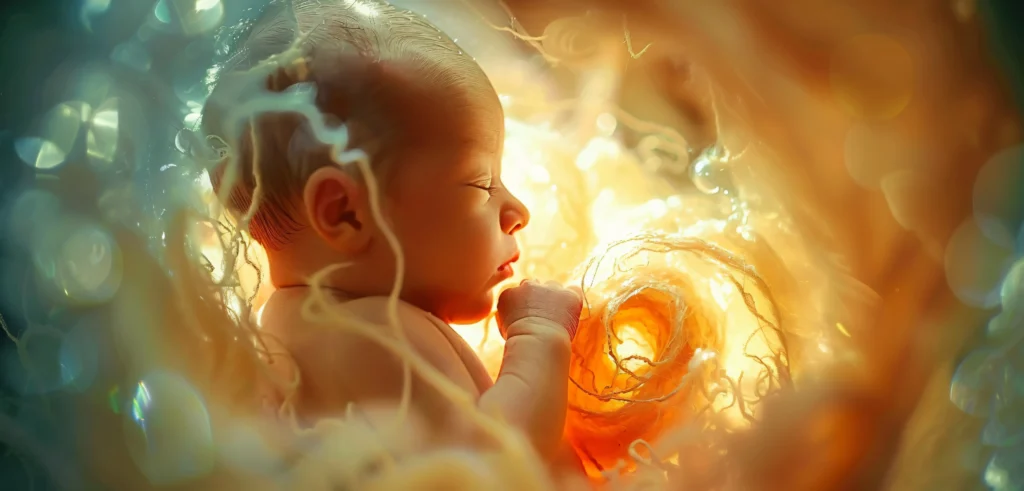
The Origins of the Bullet and the Baby Story
A Tale Born from the Battlefields of the Civil War
The story is said to take place during the American Civil War — a time when chaos and sorrow dominated everyday life. As the legend goes, a young soldier was struck by a bullet that tore through his lower body. That same bullet continued its deadly path, striking a woman nearby in the abdomen.
Months later, she reportedly gave birth to a healthy child. When doctors examined the newborn, they claimed to have found the bullet lodged in his body — the same one that had passed through the soldier.
This strange tale quickly became one of the most talked-about “miracles” of the war, shared in hushed tones among soldiers, townsfolk, and newspaper readers eager for stories that gave meaning to the madness.
How the Legend Spread Like Wildfire
From Battlefield Gossip to Newspaper Sensation
Stories like The Bullet and the Baby thrived in an age before fact-checking. Newspapers of the 19th century often published sensational tales to captivate readers, and this bizarre case was no exception.
Over time, the story gained traction, appearing in journals and being retold as “fact.” Readers were stunned — the idea that death itself could give birth to life was too poetic, too ironic, to ignore.
Versions of the legend appeared across different states, with the details changing slightly each time. Some accounts placed it in Mississippi, others in Tennessee, but the emotional core remained: a story of war’s cruelty giving rise to a miracle of life.

The Medical Impossibility – Could It Really Happen?
Why Doctors and Scientists Called It Impossible
When you think about it logically, the idea of a bullet impregnating someone seems like pure fantasy — and medical experts agree.
Here’s why:
- A bullet travels at incredible speed and heat, destroying any living cells it touches.
- Sperm cannot survive the pressure, temperature, or trauma of a fired bullet.
- Even if a bullet somehow carried genetic material, it would not reach the uterus intact.
- The described wound path would be instantly fatal or cause severe infection.
In short, nature doesn’t work that way. No scientific or medical evidence has ever supported this story. What was once presented as a “medical marvel” is now widely recognized as a fabricated tale — one likely written as satire or dark humor in the 1800s.
Why This Story Refuses to Die
The Bullet and the Baby as a Symbol of Life Amid Death
Even though it’s been proven false, The Bullet and the Baby refuses to fade from memory. And that’s because it touches something emotional in you — something deeply human.
It’s a story about contradictions: life born from destruction, creation emerging from chaos. In the middle of war, when death seemed certain, this tale suggested that life still found a way.
The story resonates because it offers hope — not literal hope, but symbolic hope. It reminds you that even in moments of despair, humans will find meaning, no matter how strange or unbelievable that meaning might be.
Tracing the True Origins of the Story
From Hoax to Legend
The tale’s true origin lies not on the battlefield but on the printed page. Decades after the Civil War ended, a southern doctor supposedly shared the story as a “report” in a medical publication.
But there was a twist: it wasn’t real. It was written as a joke — a satirical jab at exaggerated war stories and overconfident doctors of the time.
However, satire didn’t always translate well in print. Readers took the story literally, spreading it as truth, and soon the “Bullet Baby” legend became part of Civil War folklore.
Over the years, historians uncovered its satirical intent, but by then, the myth had already cemented itself in the collective imagination.
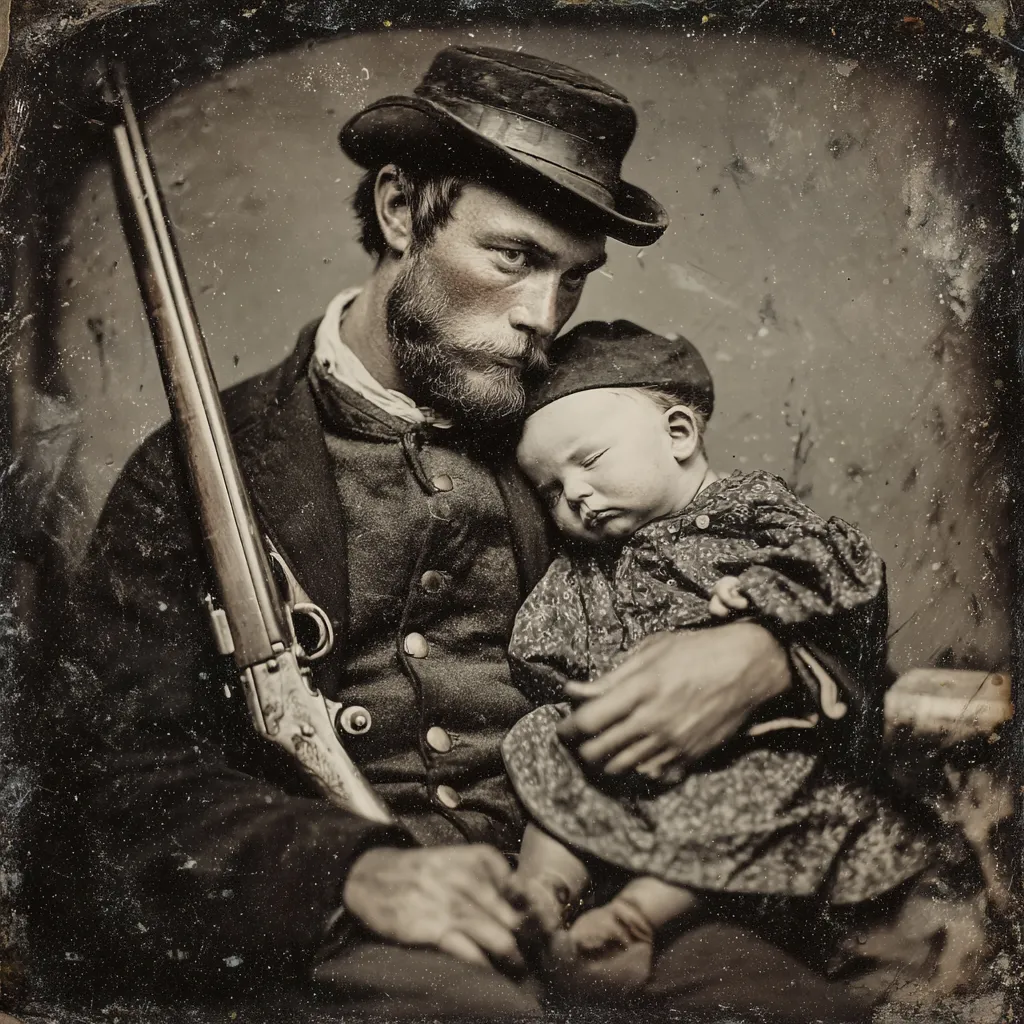
The Bullet and the Baby in Modern Culture
How the Legend Lives On
Even today, the story appears in documentaries, podcasts, and online discussions about strange historical events. It’s become a case study in how myths evolve and how easily fiction can masquerade as fact.
Writers reference it when discussing wartime medicine, historical hoaxes, or even as a metaphor in art and literature. It has everything — shock, irony, and emotional weight — making it irresistible for storytellers.
You may have even seen it pop up on social media threads as “history’s weirdest pregnancy,” sparking debate and disbelief from new audiences who stumble across it for the first time.
What The Bullet and the Baby Teaches You About Belief and History
History isn’t just made of facts — it’s shaped by the stories people choose to believe. And that’s what makes The Bullet and the Baby such a fascinating case.
Here’s what it reveals:
- People crave meaning in chaos. Even in the bloodiest wars, the human mind looks for miracles.
- Myths spread faster than truth. Once a story captures emotion, it’s repeated endlessly, often losing its original context.
- Skepticism is essential. Just because a story feels true doesn’t mean it is — especially when it appears too poetic or perfect.
- Legends reflect who we are. This one reflects the eternal balance between destruction and creation — between death and life.
When you look closer, this isn’t really a story about science or anatomy. It’s about belief — the kind that helps people survive the unbearable by imagining the extraordinary.
Conclusion – The Legacy of a Strange Miracle
Now that you know the truth behind The Bullet and the Baby, it’s clear this legend isn’t about medicine or war alone. It’s about humanity’s endless need to find hope — even in the darkest, most violent chapters of history.
The story began as satire, transformed into myth, and survived as a symbol of resilience. It reminds you that even when the world burns, people cling to tales that promise rebirth.
It may be fiction, but its endurance proves something very real: that our hunger for miracles often tells us more about ourselves than about history.
So, the next time you encounter a “too strange to be true” story, pause and ask — what truth about human nature might be hiding behind the exaggeration?
Frequently Asked Questions About The Bullet and the Baby
Q1: Was The Bullet and the Baby story real?
No. It was a fictional story written in the 19th century that many people mistakenly believed to be true.
Q2: Who created the story?
It was written by a southern doctor years after the Civil War, most likely as a piece of satire.
Q3: Could a bullet really impregnate someone?
Absolutely not. Medical science confirms that such a situation is biologically impossible.
Q4: Why did people believe it for so long?
Because it was emotionally powerful, widely published, and offered hope in a time of loss and confusion.
Q5: What does The Bullet and the Baby symbolize today?
It symbolizes life emerging from death, and how people create meaning even from tragedy.
Final Thought and Call to Action
Stories like The Bullet and the Baby remind you to question what you read — but also to appreciate the power of storytelling itself. Whether it’s a myth, a hoax, or a miracle, every legend reveals something about the human spirit.
If this story intrigued you, share it with someone who loves history’s odd mysteries. Start a conversation about how myths are born — and how they survive.
Because sometimes, the wildest legends tell the truest things about who we are.
Table of Contents
Man Struck by Lightning Seven Times: Roy Sullivan’s Tale – trendsfocus