
In today’s fast-paced world, you might often find yourself caught in the whirlwind of endless to-do lists, constant notifications, and the pressure to keep up. It’s no surprise that many people are starting to feel overwhelmed, burnt out, and disconnected from the things that truly matter. You might have found yourself wondering if there’s a way out— a way to reclaim balance, peace, and joy in your life. This is where the concept of slow living comes in.
Slow living isn’t about doing less—it’s about doing more of what matters and living with intention. It’s about slowing down the pace of your life, not in the sense of being lazy or unproductive, but rather focusing on quality over quantity, mindfulness over hustle. This article will explore the art of slow living, how to embrace a simpler life, and how it can transform your mental, emotional, and physical well-being.

What Is Slow Living?
Slow living is often misunderstood. It’s not a rejection of ambition or productivity, nor is it about doing everything slowly for the sake of it. Instead, it’s a mindset that allows you to prioritize the things that bring you joy, peace, and fulfillment—without the unnecessary hustle. It’s about reclaiming control over your time and energy and making room for what truly matters.
The Meaning Behind Slow Living
Slow living traces its roots back to the Slow Food Movement, which began in Italy as a response to the growing trend of fast food. It was a call to slow down and savor life’s simplest pleasures, particularly when it comes to food. Over time, this movement grew beyond food into a broader lifestyle philosophy. Today, slow living encourages individuals to make intentional choices in every area of their lives.
At its core, slow living is about:
- Mindfulness: Being present and aware in the moment.
- Simplicity: Reducing distractions and unnecessary clutter.
- Quality over Quantity: Choosing experiences or possessions that bring lasting value.
This lifestyle isn’t about slowing down every single task, but about being intentional with your time and energy. It encourages you to embrace the richness of life, even in the simplest of moments.
Why More People Are Choosing Slow Living
In our modern society, where digital distractions are omnipresent, it’s no wonder that more people are turning to slow living. According to recent studies, about 40% of Americans report feeling more stressed than ever before. We live in a society where “doing more” is seen as a measure of success, and constant multitasking is the norm. This has led to an epidemic of burnout and mental fatigue.
People are discovering that the pursuit of a faster, busier life doesn’t lead to lasting happiness. Instead, it often leads to stress, anxiety, and exhaustion. By embracing slow living, individuals can reclaim their time, restore their well-being, and focus on what truly enhances their lives.
The Benefits of Embracing Slow Living
Slow living offers a multitude of benefits that positively impact your mental, emotional, and even physical health. By intentionally slowing down, you can enjoy a more meaningful, balanced, and fulfilling life.
Mental and Emotional Health
One of the most profound benefits of slow living is its impact on mental health. When you slow down, you reduce the constant stream of distractions that cause stress and anxiety. This intentional approach allows you to be present, which in turn helps you build emotional resilience.
Key Benefits:
- Reduced Anxiety: By focusing on one thing at a time and embracing moments of stillness, you can alleviate the overwhelming pressure to constantly be “doing.”
- Better Focus: Slowing down helps you focus on what truly matters, which fosters clarity and purpose in your day-to-day life.
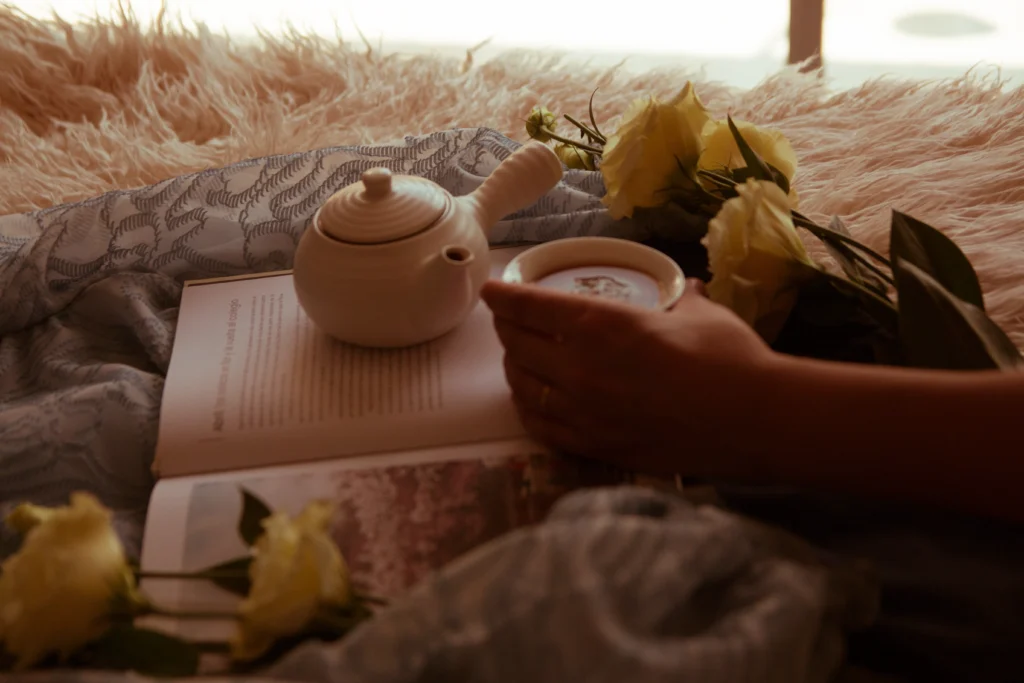
- Improved Mindfulness: You begin to appreciate small moments—whether it’s a cup of tea or a walk outside—instead of rushing past them.
Better Relationships
When you slow down, you can give more time and attention to the people in your life. Relationships thrive when there’s space for real, meaningful connections.
Key Benefits:
- Deeper Conversations: Slowing down allows you to listen more attentively to others and engage in deeper conversations.
- Quality Time: You begin to prioritize the people who matter most, which strengthens your bonds and helps you build more meaningful relationships.
By consciously slowing down, you create more space for the people who truly matter, and in turn, your connections become more enriching.
Physical Health Improvements
The stress that comes from living a rushed life can take a significant toll on your physical health. By adopting a slower pace, you allow your body to rest and heal.
Key Benefits:
- Lower Stress Levels: Stress hormones like cortisol are significantly reduced when you embrace slow living, leading to better physical health.
- Improved Sleep: Mindfulness and slower routines can help regulate your sleep patterns, allowing you to get more restful and rejuvenating sleep.
- Better Digestive Health: Taking the time to eat mindfully, rather than on the go, helps with digestion and overall gut health.
How to Start Practicing Slow Living
Slow living may seem daunting at first, especially if you’ve been living a fast-paced life for years. But don’t worry—starting small is the key. By incorporating a few intentional habits into your daily routine, you can begin your journey toward a simpler, slower life.
1. Evaluate Your Current Lifestyle
Start by reflecting on your current life. Are there areas where you’re overwhelmed or overcommitted? Are there activities that are draining your energy without offering any real value?
Take a week to track your time. How much time are you spending on tasks that don’t align with your values or goals? This will give you the insight needed to begin slowing down.
2. Identify What Truly Matters to You
Think about the things that make you feel fulfilled. Is it time spent with family? A creative hobby? Personal health? Once you identify your priorities, you can begin to allocate more time to these activities and let go of the things that no longer serve you.
3. Learn to Say No
One of the hardest aspects of slow living is learning how to say no. We often feel pressured to take on more tasks or commitments, even when we don’t have the time or energy. Learning to set boundaries and politely decline obligations is a key part of living slowly.
4. Declutter—Mentally and Physically
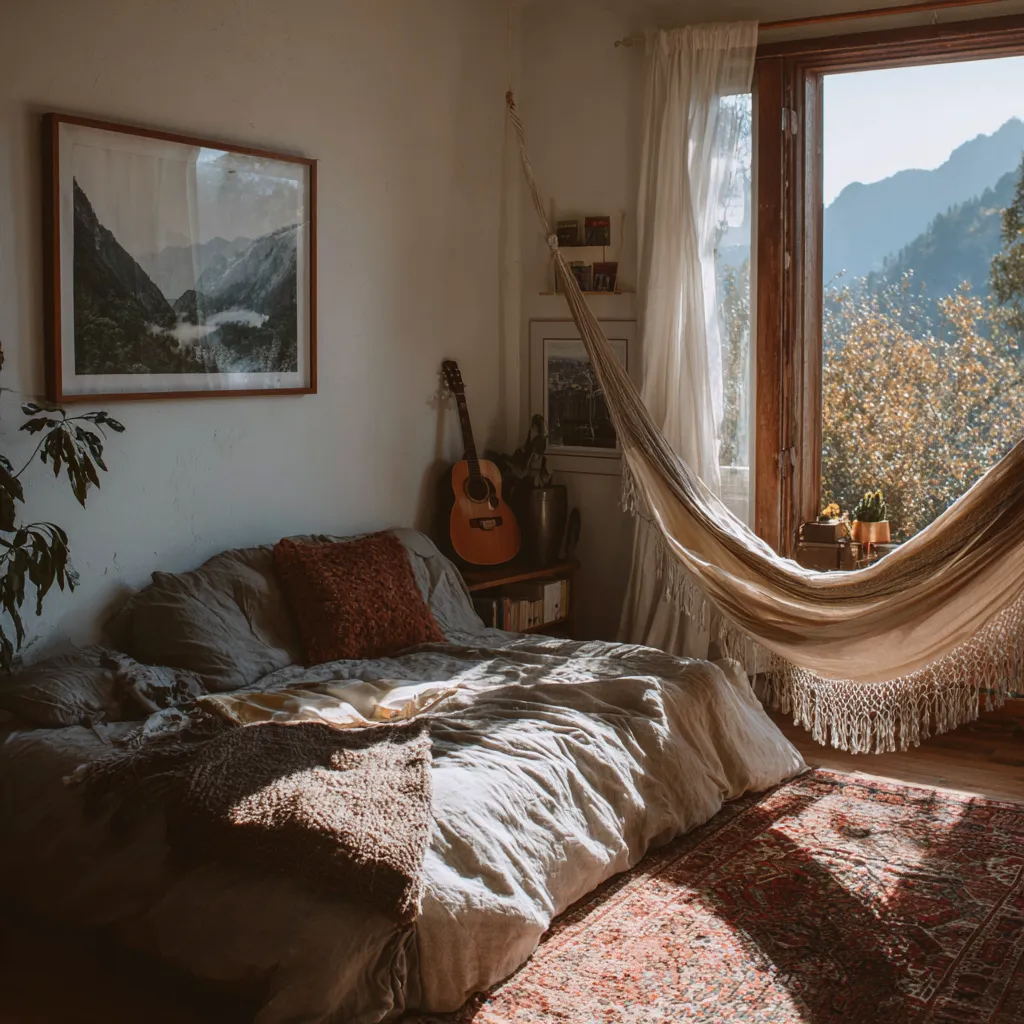
A cluttered environment often leads to a cluttered mind. Start by simplifying your living space—let go of items that no longer bring you joy or serve a purpose. You’ll find that a simpler space can promote a clearer, calmer mindset.
Don’t forget your mental clutter, either. Practice mindfulness and meditation to clear away stress and negative thoughts.
5. Create Slow Rituals
Daily rituals are a powerful way to slow down. Whether it’s a morning coffee routine, a peaceful walk in nature, or an evening relaxation ritual, these moments help you reset and recharge. By carving out intentional moments of calm, you create space for mindfulness in your everyday life.

Incorporating Slow Living Into Different Areas of Life
The beauty of slow living is that it can be practiced in all areas of life. It’s not limited to a specific activity or time of day. You can slow down in every aspect of your routine.
At Home
- Simplify your living space: Create a peaceful, clutter-free home environment.
- Cook slow: Take time to cook meals from scratch, savor the process, and enjoy the fruits of your labor.
At Work
- Prioritize what matters: Identify the tasks that align with your long-term goals and focus on those.
- Take breaks: Incorporate regular breaks into your workday to recharge and prevent burnout.
With Technology
- Limit screen time: Set boundaries on your digital devices to avoid distractions.
- Practice digital detoxing: Designate time periods when you’re entirely disconnected from screens to foster presence and relaxation.
With Relationships
- Engage fully: Put away your phone during meals or conversations to focus entirely on the other person.
- Spend quality time together: Create slow moments with family and friends, like a leisurely walk or a heartfelt conversation.
Challenges of Slow Living (and How to Overcome Them)
While slow living offers numerous benefits, it’s not always easy to implement—especially if you’re used to a fast-paced lifestyle. Here are some common challenges and how to tackle them:
Societal Pressure to Be Busy
In a culture that glorifies busyness, it can be tough to embrace the idea of slowing down. Remind yourself that your worth isn’t tied to how busy you are.
Guilt Around Doing Less
You may feel guilty for choosing rest or saying no to commitments. Remember, saying no to what doesn’t serve you is a form of self-care.
Practical Limitations
It’s not always easy to fully adopt slow living, especially if you have a demanding job or family responsibilities. Start small, and gradually incorporate slow living practices where you can.
Conclusion: Choosing to Live Slowly Is Choosing to Live Fully
Slow living isn’t about being lazy or unproductive; it’s about reclaiming your life from the chaos and living with intention. By embracing the art of slow living, you create space for the things that truly matter—your health, relationships, and happiness.
The journey to a slower, simpler life doesn’t have to be drastic. Start small, one mindful step at a time. Whether it’s spending an extra five minutes on your morning coffee or deciding to take a break from technology at night, every small action adds up to a life that is richer, more fulfilling, and more aligned with your true desires.
Living slowly doesn’t mean you have to give up your ambitions or dreams. It’s about creating balance—focusing on what truly nourishes your mind, body, and soul while letting go of unnecessary distractions. So, take a breath, slow down, and ask yourself: What really matters to me?
The choice to slow down is the choice to live more fully. Make it today, and start embracing the beauty of a simpler, more intentional life.
Frequently Asked Questions (FAQ) About Slow Living
What is slow living in simple terms?
Slow living is a lifestyle choice that prioritizes mindfulness, simplicity, and intentional living. It involves slowing down to focus on what truly matters, whether it’s your health, relationships, or personal fulfillment.
Is slow living realistic in a fast-paced world?
Yes! Slow living doesn’t mean rejecting modern conveniences or stopping everything. Instead, it’s about making conscious decisions to prioritize quality over quantity and creating space for what brings you joy.
How can I start slow living with a full-time job?
Starting slow living with a busy job involves setting boundaries, practicing mindfulness, and carving out time for yourself. Even small moments of quiet, like a walk on your lunch break or a tech-free evening, can help you reclaim your time and energy.
Does slow living mean doing less?
Not necessarily. Slow living is about focusing on what matters most, which might mean doing more of the things that bring you joy or purpose. It’s not about avoiding productivity but ensuring that your actions align with your values.
Is slow living the same as minimalism?
While minimalism and slow living share similarities, they are distinct. Minimalism focuses on reducing material possessions, whereas slow living is about living intentionally in every aspect of your life. Slow living includes mindfulness in your work, relationships, and health—not just your possessions.
Call to Action: Start Your Journey Today
Are you ready to embrace a simpler, slower life? Start with one small change today, whether it’s taking five minutes to breathe, saying no to an unnecessary commitment, or creating a quiet morning ritual. Every step counts toward a life filled with more peace, intention, and joy.
Don’t wait for tomorrow. Start today and discover the art of slow living for yourself. You deserve a life that feels meaningful, balanced, and connected to what matters most.
Table of Contents
https://www.trendsfocus.com/www-trendsfocus-com-morning-routine-for-succes/