
Spring in the United States is a time of renewal, rebirth, and vibrant color. One of the most remarkable signs of this season is the bloom of wildflowers across the country. From the sun-soaked deserts of California to the rolling hills of Texas, the meadows of the Midwest, and mountain valleys in Colorado, wildflowers transform ordinary landscapes into breathtaking tapestries of color.
These blooms are more than just visually stunning. They are vital to ecosystems, supporting pollinators, preventing soil erosion, and sustaining wildlife. They also provide cultural, recreational, and emotional benefits, offering inspiration for photographers, hikers, and nature lovers alike. This spring, 2026, is proving to be an exceptional season for wildflowers, with early blooms and expansive displays captivating audiences nationwide.
In this article, we’ll explore why wildflowers matter, the types found across the USA, regional highlights, ecological significance, and ways to enjoy and preserve them responsibly.
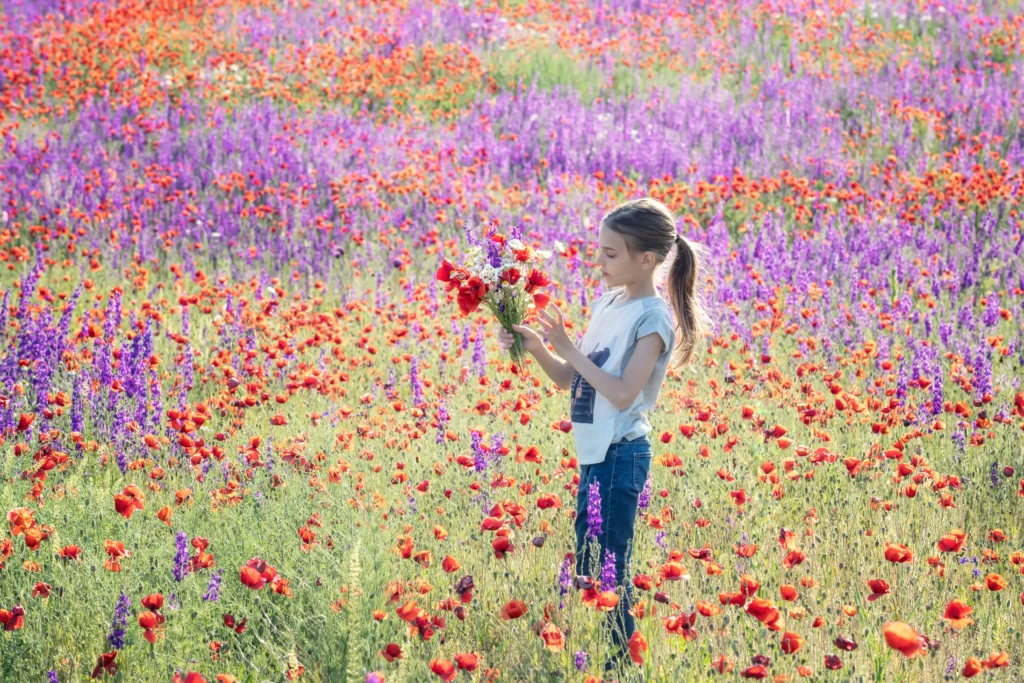
Why Wildflowers Are Important in the USA
Wildflowers are native plants that grow naturally without human intervention. They play an essential role in maintaining ecological balance. One of their most critical functions is supporting pollinators. Bees, butterflies, hummingbirds, and other pollinating animals rely on wildflowers for nectar and pollen. These pollinators are essential for the reproduction of plants and the health of entire ecosystems.
Wildflowers also prevent soil erosion through their root systems. In deserts, prairies, and hilly regions, wildflower roots stabilize the soil, retain water, and maintain soil fertility. This function is especially important in areas prone to erosion or drought. Wildflowers also increase biodiversity, creating habitats for a variety of wildlife, including insects, birds, and small mammals.
Beyond ecology, wildflowers contribute to cultural and recreational activities. Festivals celebrating blooms, photography trips, and hiking trails bring communities together and attract tourists. In regions like Texas Hill Country and California deserts, wildflower displays are national attractions, promoting environmental appreciation and outdoor engagement.
Top Wildflower Destinations
The United States is home to diverse climates and landscapes, each supporting unique wildflower species. Here are some of the most notable regions:
1. California Superblooms
California is famous for its “superblooms,” when rainfall triggers dormant seeds in deserts and hillsides to sprout in extraordinary numbers. Locations like Death Valley and Antelope Valley showcase vibrant carpets of poppies, sand verbena, and desert lilies. These superblooms can turn barren landscapes into a sea of color, attracting visitors nationwide and providing photographers with unforgettable scenes.
2. Texas Hill Country
Central Texas becomes a blue-and-red paradise in spring. Bluebonnets, Indian paintbrushes, and Indian blankets cover the rolling hills, creating some of the most iconic wildflower landscapes in the USA. Towns celebrate the blooms with festivals and events, and roadside drives are a favorite way for visitors to experience the beauty.
3. Colorado Mountain Meadows
Colorado’s alpine meadows and mountain trails burst with wildflowers during late spring and early summer. Lupines, columbines, glacier lilies, and paintbrushes provide stunning colors against rugged peaks. Hiking these meadows allows visitors to experience wildflowers in high-altitude ecosystems where they play a vital role in soil stabilization and pollinator support.
4. Midwest Prairies
States such as Kansas, Missouri, and Oklahoma feature native prairie wildflowers like black-eyed Susans, coneflowers, and wild indigo. These prairies support diverse wildlife while offering vast, colorful landscapes. Seasonal walks and prairie preserves are excellent ways to appreciate these blooms while learning about the ecological importance of prairie habitats.
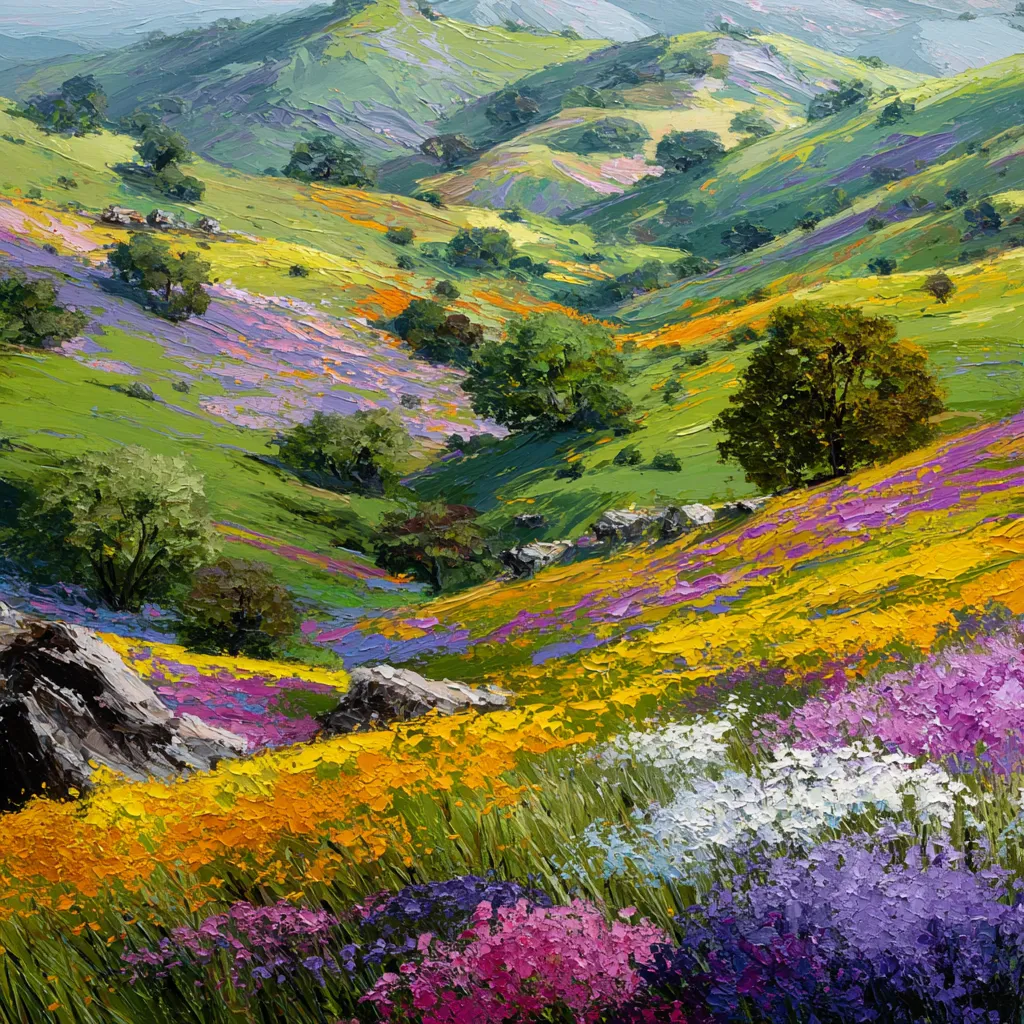
Types of Wildflowers
The diversity of wildflowers in the USA reflects the country’s wide range of climates and ecosystems. Some of the most prominent species include:
- California Poppy: Bright orange blooms that thrive in deserts and hillsides, symbolizing resilience and beauty.
- Bluebonnet: Texas’ state flower, creating striking blue carpets across meadows and roadsides.
- Indian Paintbrush: Red, spiky blooms often growing alongside bluebonnets for a dramatic contrast.
- Black-Eyed Susan: Yellow petals with dark centers, common in prairies and gardens.
- Columbine: Elegant flowers with unique shapes, often found in mountain meadows and forests.
- Desert Marigold: Hardy yellow flowers that withstand arid conditions, blooming across southwestern deserts.
- Coneflowers: Purple and pink blooms that attract butterflies and support pollinators in diverse habitats.
Each wildflower species has adapted to its environment, providing food for wildlife, preventing soil erosion, and adding to the aesthetic beauty of the region. The diversity ensures that there is always something blooming somewhere in the USA, making wildflowers a year-round attraction in various climates.
Ecological and Cultural Significance
Wildflowers are integral to both the environment and cultural experiences in the USA. Their ecological roles include:
- Pollinator Support: Many species rely on wildflowers for nectar, ensuring healthy ecosystems and food production.
- Soil Stabilization: Roots help prevent erosion, retain water, and improve soil health.
- Biodiversity: Wildflowers provide habitats for insects, birds, and mammals, supporting overall ecological balance.
Culturally, wildflowers inspire art, photography, and tourism. Regions hosting superblooms or seasonal displays often see an influx of visitors, which boosts local economies and encourages outdoor recreation. Native American tribes historically used wildflowers for medicine, dye, and ceremonial purposes, and today, wildflower festivals celebrate both ecological and cultural heritage.
Wildflowers also contribute to mental and emotional well-being. Spending time among colorful blooms can reduce stress, improve mood, and enhance creativity. For many Americans, spring walks through wildflower meadows are an annual tradition that fosters connection with nature.
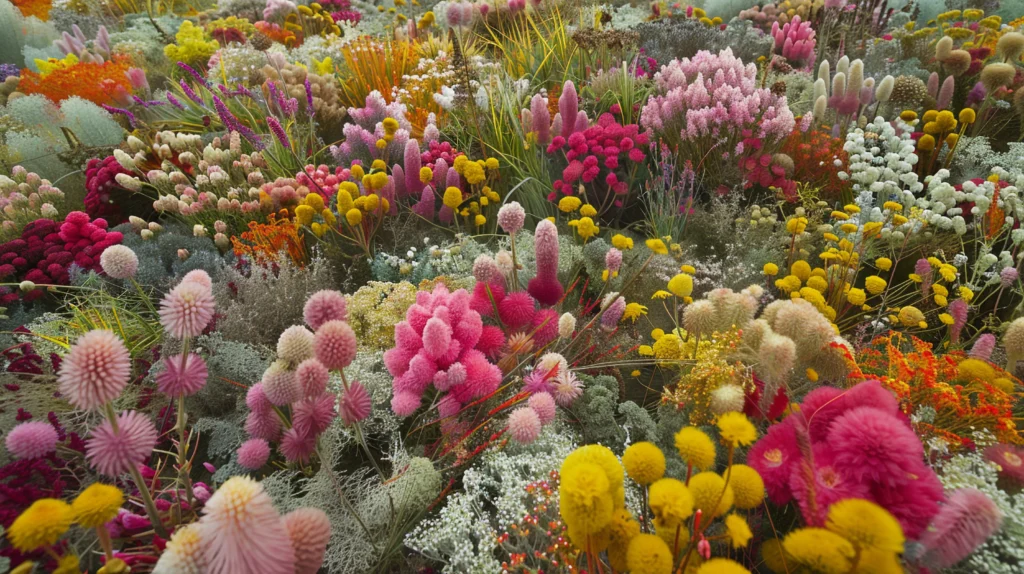
How to Enjoy and Protect Wildflowers
Experiencing wildflowers responsibly ensures they continue to thrive for future generations. Here are practical tips:
- Stay on Trails: Protect fragile plants by avoiding walking through wildflower beds.
- Do Not Pick Flowers: Removing blooms prevents seed development and harms pollinators.
- Plan Visits for Peak Bloom: Bloom times vary by region, so check local conditions to catch flowers at their best.
- Plant Native Wildflowers: Encourage local pollinators by planting native species in gardens or community spaces.
- Support Conservation Efforts: Volunteer, donate, or educate others about preserving wildflower habitats.
- Capture Memories Without Impact: Photography is a great way to enjoy wildflowers while leaving them intact.
By following these practices, visitors can enjoy wildflowers while protecting ecosystems, supporting pollinators, and preserving the beauty of natural landscapes.
Conclusion
Wildflowers across the USA are a vivid reminder of nature’s resilience, beauty, and ecological importance. From California’s deserts to Texas Hill Country, Colorado mountain meadows, and Midwest prairies, wildflowers provide color, inspiration, and environmental support.
Spring 2026 promises an exceptional season, with early blooms and expansive displays captivating nature lovers nationwide. Whether you hike, photograph, or simply admire these flowers from a distance, wildflowers connect us to the environment, remind us of life’s fleeting beauty, and highlight the importance of protecting our natural landscapes.
Take time this spring to explore wildflower trails, capture their colors, and leave them intact for pollinators and future visitors to enjoy. With responsible enjoyment and conservation, wildflowers will continue to thrive as one of the USA’s most cherished natural treasures.
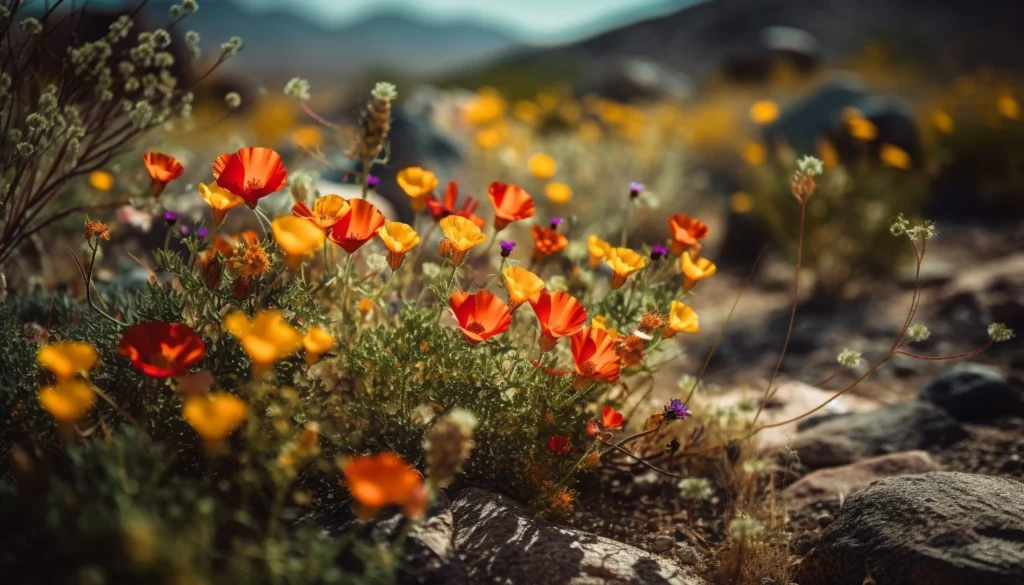
Table of Contents
The best wildflower hiking destinations in the United States | National Geographic
TSA Wait Times Surge at Atlanta Airport for Travelers – trendsfocus