
The world of driving is rapidly changing, and at the forefront of this transformation is Tesla Autopilot. Once considered a futuristic concept, self-driving technology is now becoming a reality for everyday drivers. Tesla’s Autopilot system has evolved from basic driver-assistance features to a sophisticated suite of tools that enhance safety, convenience, and efficiency on the road.
For Tesla owners, these updates are more than just tech upgrades—they represent a glimpse into the future of transportation. From city streets to highways, Autopilot is changing how we experience driving. In this article, we’ll explore what Tesla Autopilot is, its latest features, and why it’s poised to reshape the automotive landscape.

Understanding Tesla Autopilot
Tesla Autopilot is a semi-autonomous driving system that assists drivers with everyday tasks, such as steering, accelerating, and braking. It’s designed to make driving safer and less stressful, particularly in heavy traffic or long-distance travel.
Unlike traditional cruise control, Autopilot continuously monitors the environment around the car, using cameras, radar, and ultrasonic sensors. This allows the system to detect other vehicles, lane markings, pedestrians, and obstacles. By combining this data with advanced software, Tesla can provide a driving experience that feels natural, yet significantly safer than manual driving alone.
Autopilot is also a stepping stone toward Tesla’s ultimate goal: Full Self-Driving (FSD). While drivers must remain alert and ready to take control, Autopilot showcases the possibilities of autonomous transportation, reducing human error and fatigue while increasing overall road safety.
Key Features of Tesla Autopilot
Tesla Autopilot has evolved far beyond its early iterations. Today, it offers a range of features designed to enhance convenience, safety, and efficiency:
Adaptive Cruise Control
Unlike traditional cruise control, Tesla’s adaptive system automatically adjusts the car’s speed based on surrounding traffic. Whether you’re in stop-and-go traffic or cruising on the highway, Autopilot maintains a safe following distance and reacts to changes in speed from vehicles ahead.
Lane Keeping and Autosteer
Autopilot can keep the car centered within its lane and perform smooth steering adjustments when needed. Combined with traffic-aware cruise control, this feature reduces the mental load on drivers during long trips.
Smart Summon
Tesla’s Smart Summon allows drivers to call their car to them from a parking spot. This is especially useful in crowded parking lots, letting your car navigate small obstacles autonomously while you remain nearby.
Navigate on Autopilot
This advanced feature guides the car from highway on-ramps to off-ramps, automatically suggesting lane changes to optimize speed and safety. It also considers upcoming exits and traffic patterns, making highway driving more efficient.
These features are constantly improving thanks to Tesla’s over-the-air software updates, which enhance functionality without requiring a physical visit to a service center.
Safety Benefits of Autopilot
One of the most compelling reasons to adopt Tesla Autopilot is its potential to reduce accidents and save lives. Human error accounts for over 90% of traffic accidents, and Autopilot aims to address this by providing consistent, data-driven decision-making on the road.
Reduced Driver Fatigue
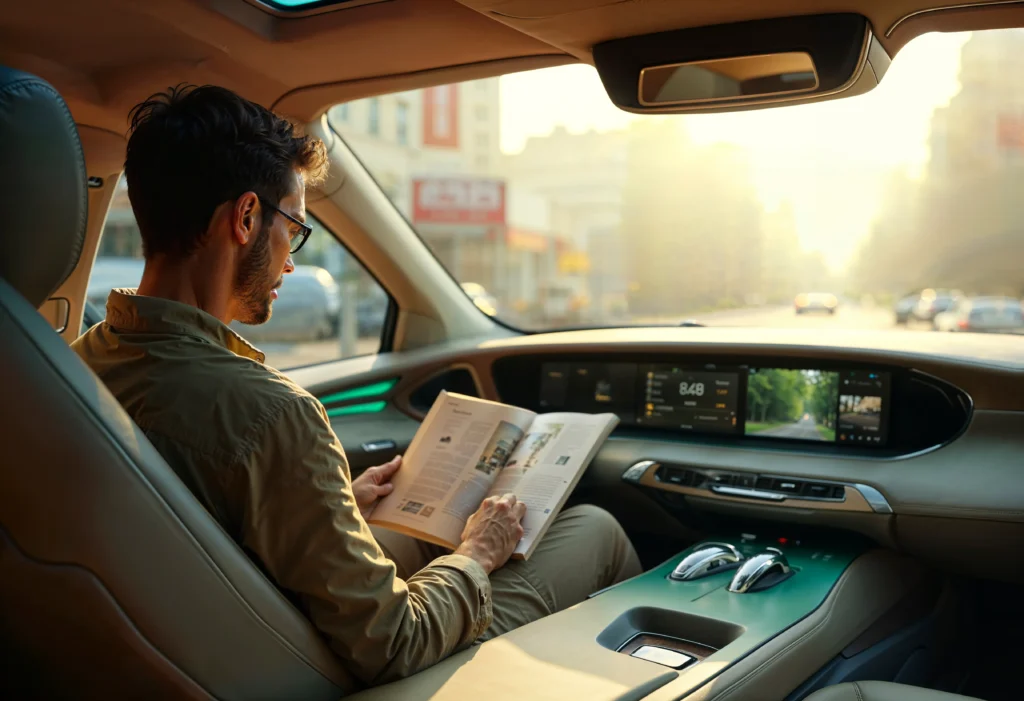
Long drives can be exhausting, leading to slower reaction times and lapses in attention. Autopilot helps alleviate fatigue by taking over steering and speed management, allowing drivers to focus more on the road ahead.
Enhanced Awareness
Autopilot continuously monitors the environment using cameras and sensors, detecting potential hazards that a human driver might miss. From sudden lane changes by other vehicles to pedestrians stepping onto the road, the system acts as an additional set of eyes.
Collision Avoidance
Tesla’s Autopilot can automatically apply brakes or adjust steering to avoid collisions. These split-second interventions can prevent accidents or reduce their severity, which is especially important in urban traffic conditions.
By combining these safety features, Autopilot not only makes driving easier but also significantly reduces the risk of accidents.
How Autopilot Is Shaping the Future of Transportation
Tesla Autopilot is more than just a convenience—it’s a glimpse into the future of autonomous transportation. As the technology improves, it could fundamentally change the way we approach driving and vehicle ownership.
Toward Full Self-Driving
While Autopilot is currently semi-autonomous, Tesla’s long-term goal is Full Self-Driving (FSD). Once fully realized, cars could navigate complex urban environments, handle traffic, and make safe decisions without human intervention.
Impact on Traffic and Urban Planning
Widespread adoption of autonomous driving could reduce traffic congestion, improve fuel efficiency, and optimize parking solutions in cities. Cars equipped with Autopilot can communicate with each other to maintain smooth traffic flow, potentially reducing the chaos of rush-hour traffic.
Environmental Benefits
Smarter driving leads to lower energy consumption, which is particularly important for electric vehicles like Tesla. Optimized acceleration, braking, and route planning can extend battery life and reduce electricity usage, contributing to a greener future.
The Challenges and Considerations
Despite its many advantages, Tesla Autopilot is not without challenges. Drivers must remain vigilant and understand the system’s limitations.
Driver Responsibility
Autopilot is a driver-assistance system, not a fully autonomous vehicle. Users must keep hands on the wheel and pay attention to road conditions, as the system can still be confused by complex or unexpected situations.
Legal and Regulatory Hurdles
Autonomous driving technology is still under scrutiny by regulators around the world. Laws governing the use of semi-autonomous systems vary by country and state, which can affect how and where Autopilot is used.
Public Perception
Some drivers are skeptical about the safety of semi-autonomous systems, and high-profile incidents have raised concerns. Tesla continues to educate users and release updates to improve safety and reliability.
Despite these challenges, the overall trend is clear: Tesla Autopilot is pushing the automotive industry toward a safer, smarter, and more autonomous future.
Conclusion
Tesla Autopilot represents a significant leap forward in driving technology. By combining adaptive cruise control, lane-keeping, smart navigation, and safety features, it makes driving more convenient and safer than ever.
While full self-driving is still on the horizon, every software update brings Tesla closer to this vision, and the impact on traffic safety, urban mobility, and the environment could be profound.
For drivers and car enthusiasts alike, Tesla Autopilot is not just an option—it’s a glimpse into the future of transportation, where cars are smarter, roads are safer, and the driving experience is redefined.
Table of Contents
Electric Cars, Solar & Clean Energy | Tesla
Meta Trial Verdict: Social Media Accountability Turn – trendsfocus