
Skiing offers a thrilling way to enjoy the winter season, but as with any adventure sport, safety is a key consideration. Whether you’re new to the slopes or a seasoned skier, understanding how to ski in safety can make all the difference between a fun, memorable experience and a dangerous one. In this article, we’ll provide you with essential tips to help you stay safe while enjoying your time on the slopes. With proper preparation, knowledge, and a few precautionary measures, you can confidently enjoy the thrill of skiing while minimizing the risks.
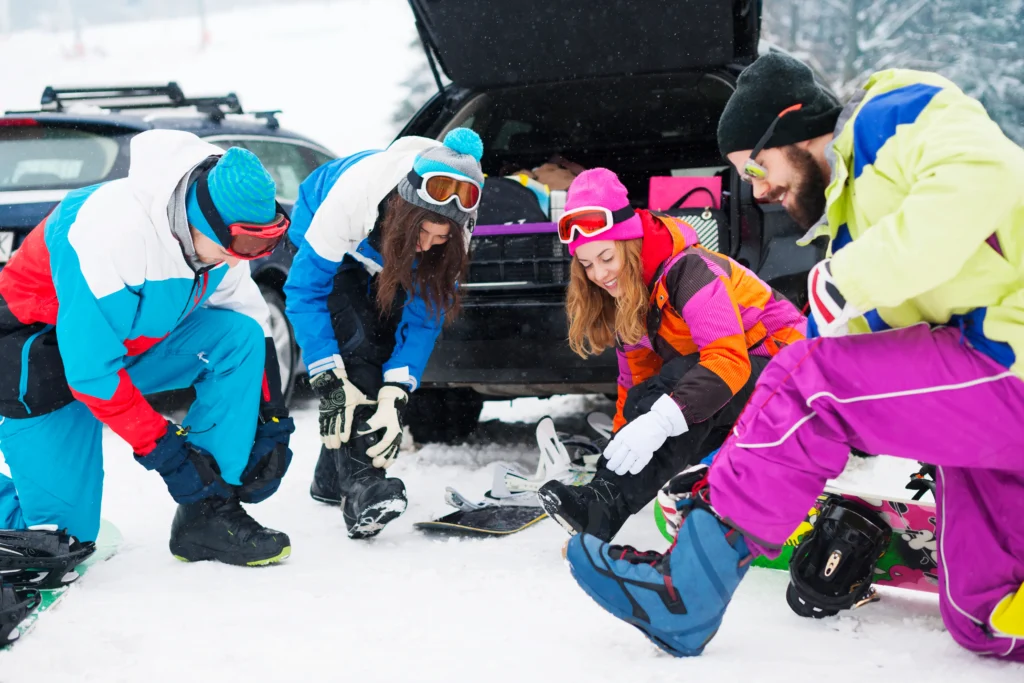
Why Skiing Safety Matters
Before we dive into the specifics of how to ski safely, it’s essential to understand why ski safety should be a priority. Every year, thousands of skiers and snowboarders are injured while on the slopes, with the most common injuries being fractures, sprains, and head trauma. While skiing can be fun, it’s important to acknowledge that skiing accidents do happen—and often, they are preventable.
In fact, according to the National Ski Areas Association (NSAA), there are approximately 44 injuries per million skier visits in the United States. Most of these injuries occur due to loss of control, collisions, or failure to follow ski etiquette. This is why learning to ski in safety and preparing for potential hazards is key to keeping your skiing experience both enjoyable and risk-free.
Proper Gear: The Foundation of Ski Safety
Skiing safety starts with the right equipment. While it may be tempting to rent gear or use older equipment, investing in high-quality, properly fitted gear can significantly reduce your risk of injury. Here’s a rundown of the essentials:
1. Helmets: A Must for Every Skier
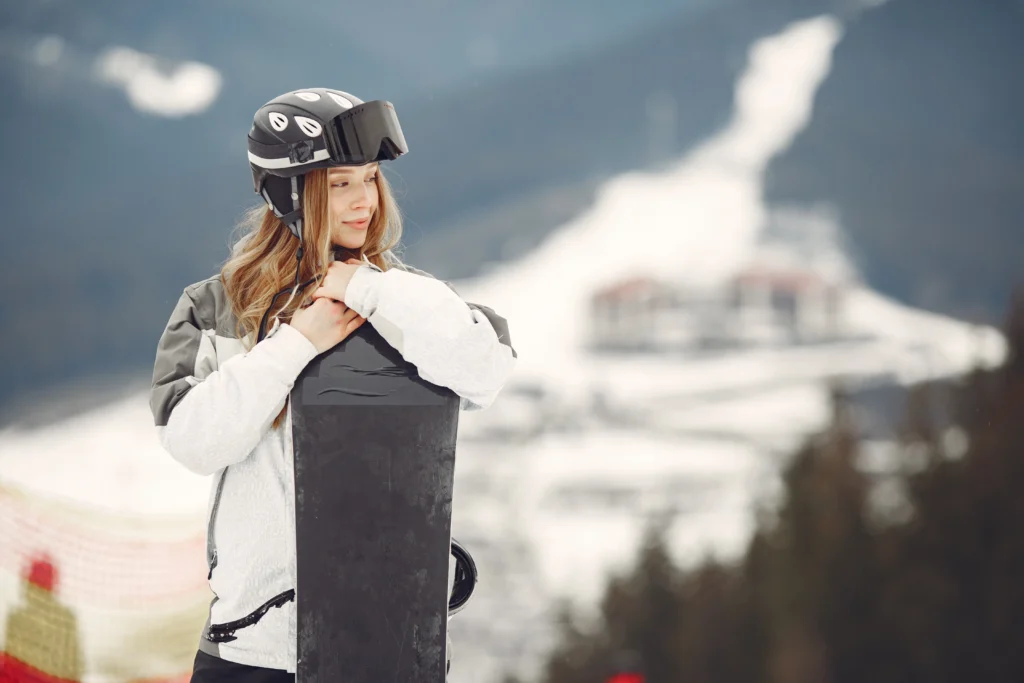
A helmet is one of the most important pieces of gear you can wear when skiing. While some skiers may opt to ski without one, wearing a helmet dramatically reduces the risk of serious head injuries. Ski helmets are designed to protect you from impact in case of a fall or collision. It’s important to ensure your helmet fits properly—one that’s too loose or too tight won’t offer optimal protection.
2. Ski Boots: A Perfect Fit is Key
Your ski boots are your primary connection to the skis, so comfort and fit are crucial. Ill-fitting boots can cause discomfort, fatigue, and loss of control, all of which increase your likelihood of injury. Be sure to get boots that are snug but not too tight, and make sure they’re adjusted correctly to your skiing level and size.
3. Ski Bindings: Adjust Them to Your Skill Level
Ski bindings are responsible for attaching your boots to your skis. They should be adjusted based on your weight, height, and skill level. If you’re unsure how to adjust your bindings, consult with a professional at a ski shop or resort. Properly adjusted bindings can help prevent injuries by releasing your skis in the event of a fall.
4. Goggles: Protect Your Eyes from the Elements
Goggles are essential for protecting your eyes from the sun’s harmful UV rays and snow glare. The mountain environment can be harsh on your eyes, with bright reflections bouncing off the snow. Opt for goggles with anti-fog capabilities and lenses that offer clear visibility, especially in low-light conditions.
5. Layered Clothing: Stay Warm and Dry
Layering your clothing is a smart way to stay comfortable while skiing. A moisture-wicking base layer, followed by an insulating mid-layer, and a waterproof outer layer will keep you dry and warm throughout the day. Be sure to include gloves, socks, and a neck gaiter or scarf to protect your extremities from the cold.
Skiing Etiquette: Respecting Others on the Slopes
Skiing isn’t just about your safety—it’s also about being aware of others around you. The slopes are shared by people of all skill levels, and a bit of courtesy can go a long way in preventing accidents. Here’s what you need to know about ski etiquette:
1. Yield to Skiers Below You
One of the most important rules on the slopes is that skiers below you have the right of way. This means that if you’re above someone else on the hill, it’s your responsibility to avoid them. Always make sure to check the area below before starting your descent.
2. Ski at a Safe Speed
While the rush of speeding down the mountain is part of the fun, skiing too fast can quickly lead to accidents. You should always ski at a speed where you feel in control and can stop easily at any moment. If you’re feeling tired or out of control, slow down or take a break.
3. Be Mindful When Passing Others
If you need to pass another skier or snowboarder, be sure to do so with plenty of space. Pass on the left and signal your intentions early to avoid startling other skiers. Always pass with caution, particularly in crowded areas or on narrow runs.
4. Use Designated Trails and Areas
Resorts will have marked trails for different skill levels—make sure you stick to the trails that match your ability. Avoid straying onto more advanced runs if you’re a beginner, as this could put you at risk of serious injury.
Know Your Limits: Skiing Within Your Skill Level
One of the most important aspects of skiing safely is understanding your limits. It’s easy to feel pressured to ski like the experts around you, but pushing yourself beyond your ability can lead to accidents. Here are some tips for staying safe:
1. Stick to Runs That Match Your Skill Level
Beginners should stick to green and blue runs, while more advanced skiers can challenge themselves with black diamonds. Know your limits and be honest about your skill level to avoid taking risks on runs that may be too difficult for you.
2. Don’t Overdo It
Skiing can be physically demanding, especially if you’re not used to the high altitudes or intense physical activity. Take regular breaks to rest and rehydrate. Skiing while tired increases your chances of making mistakes and suffering from injuries.
3. Know When to Call It a Day
If you’re feeling fatigued or experiencing discomfort, don’t push yourself to finish the day. It’s better to call it a day early than risk injuring yourself by skiing when you’re exhausted.
Be Weather-Wise: Understand Conditions Before You Go
Weather conditions play a significant role in skiing safety. Ski resorts will provide weather updates, but it’s essential to stay informed about conditions that could affect your skiing experience. Here’s what to consider:
1. Check the Weather Forecast
Before heading to the slopes, check the weather forecast for the area. Pay attention to factors like temperature, wind, and snow conditions. A sudden snowstorm or heavy winds can quickly reduce visibility and make skiing dangerous.
2. Watch for Avalanches
Skiing in off-piste areas can be risky if there is a threat of avalanches. If you’re planning to ski in backcountry areas, always check avalanche reports and consider carrying avalanche safety equipment, such as a beacon, probe, and shovel. It’s also advisable to take an avalanche safety course if you plan to ski in areas prone to avalanches.
3. Know the Risks of Extreme Cold
When temperatures dip below freezing, frostbite becomes a real risk. Always cover exposed skin, wear insulated gloves and socks, and take frequent breaks to warm up. Avoid skiing in extreme cold if you’re not prepared for it.
Emergencies: What to Do If Something Goes Wrong
Even with all the right precautions, emergencies can still occur. Knowing how to respond in these situations can save lives and reduce injury severity. Here are a few steps to take if something goes wrong on the slopes:
1. Know Ski Patrol Contact Information
Every ski resort has a ski patrol team ready to assist in case of an emergency. Familiarize yourself with the resort’s emergency contact numbers and locations of ski patrol stations. If you witness or are involved in an accident, immediately call for help.
2. Carry a First-Aid Kit
A small first-aid kit is a smart addition to your gear. While ski patrol can provide help, having basic medical supplies on hand can assist in managing minor injuries before help arrives. Your first-aid kit should include bandages, pain relievers, and an emergency whistle.
3. Know Basic First Aid
If you or someone else is injured, knowing basic first aid can make a big difference. Learn how to treat common ski injuries such as sprains, fractures, and concussions. If you suspect a head injury, neck injury, or broken bones, avoid moving the person and wait for medical professionals.
Conclusion: Ski in Safety for a Thrilling and Safe Experience
Skiing is an incredible sport that allows you to connect with nature while challenging yourself physically. However, it’s essential to ski in safety to make sure that your experience is both thrilling and free from accidents. By using the right gear, following ski etiquette, knowing your limits, and understanding weather conditions, you can significantly reduce the risks associated with skiing.
So, before you hit the slopes this season, remember these essential tips to ski safely and enjoy every moment. The mountain is waiting—but only if you’re prepared to tackle it responsibly.
Call to Action: If you’re ready to hit the slopes, be sure to check your gear, familiarize yourself with the ski resort’s rules, and share these safety tips with your skiing buddies. And most importantly, enjoy your time on the mountain with the confidence that you’re skiing in safety!
Table of Contents
What protective equipment do you need? – Ski-Pro Blog
Lake Tahoe Avalanche: Skiers Missing, Rescues Underway – trendsfocus