
When you think of the political figures who shaped the landscape of U.S. politics in the 21st century, it’s hard to ignore Dick Cheney. For many, his name stirs a mix of admiration and controversy. Known as the “shadow president” during his time as Vice President under George W. Bush, Cheney wielded a level of influence that went far beyond the typical role of the second-in-command. His ability to pull strings from behind the scenes, particularly in matters of national security and foreign policy, marked him as one of the most powerful and polarizing figures in modern American politics.
But why is Cheney’s legacy still so relevant today? What can we learn from his approach to power, strategy, and decision-making? Let’s dive into the life of Dick Cheney, a man whose influence stretched far beyond the vice presidency, and explore his lasting impact on the United States and its policies.
Who Was Dick Cheney? The Rise of a Political Powerhouse
Born into Politics
Dick Cheney’s journey into the heart of American politics wasn’t the result of mere happenstance. Born in 1941 in Lincoln, Nebraska, Cheney’s early life was marked by a sense of ambition and a deep-seated interest in public service. Raised in a politically engaged family, Cheney was drawn to the world of politics from an early age. His education at the University of Wyoming set the stage for his eventual rise to national prominence.
You may not know this, but Cheney’s first significant entry into public service was as an intern for Republican congressman William A. Steiger of Wisconsin. This position opened the doors to a career that would eventually see him become the most powerful Vice President in U.S. history. His experience working for Steiger provided Cheney with a front-row seat to the machinations of Washington, D.C., and it laid the groundwork for his strategic approach to politics.
The First Key Political Positions
Before he became Vice President, Cheney held several key positions that would pave the way for his future. His most prominent role came when he served as the U.S. Secretary of Defense under President George H.W. Bush during the Gulf War. Cheney’s tenure as Secretary of Defense demonstrated his ability to manage large-scale operations and command respect within the military.
It was during this period that Cheney’s views on national security began to take shape. He became known for his pragmatic, sometimes aggressive stance on military intervention. Cheney’s support for the Gulf War solidified his reputation as a figure who would not shy away from using military force to advance U.S. interests.
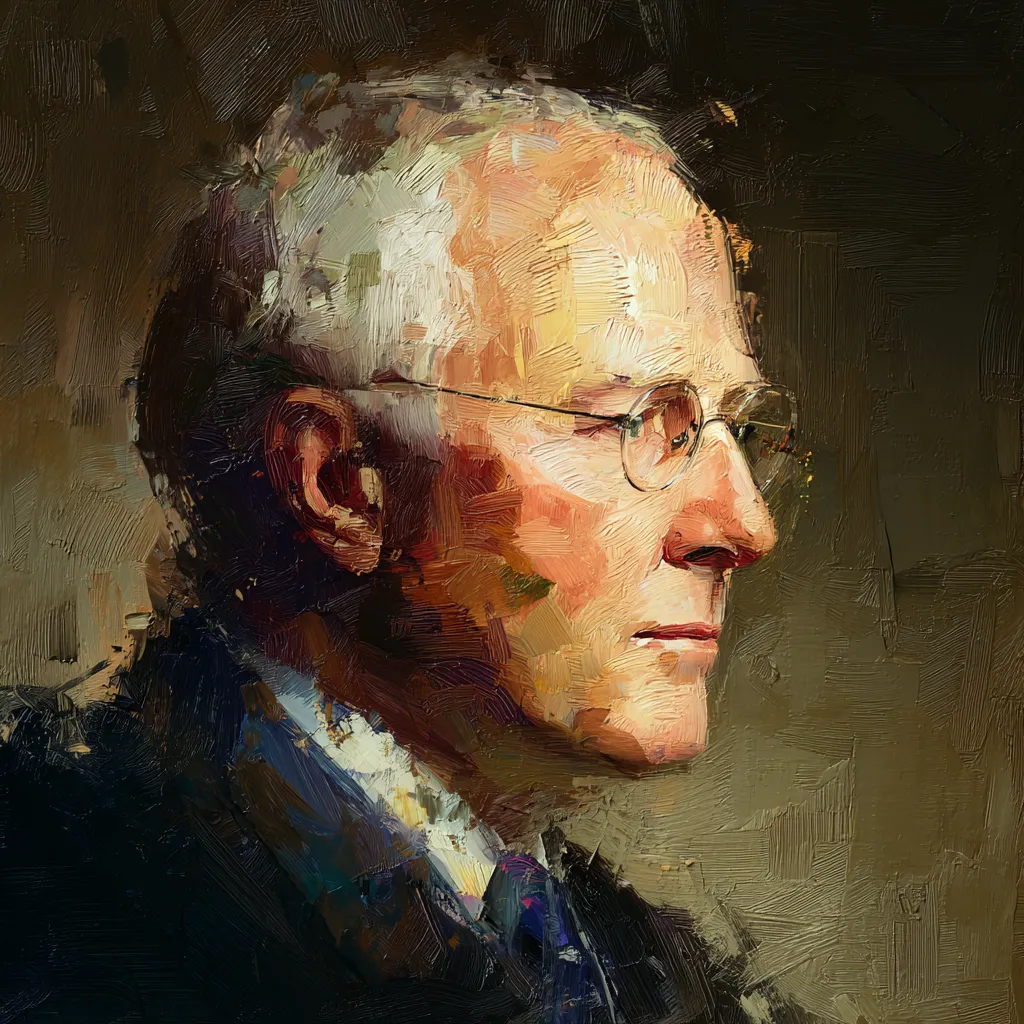
Cheney’s Time as Vice President: The Shadow President
The Vice Presidency Redefined
When Cheney was selected as Vice President by George W. Bush in 2000, few could have anticipated how much power he would actually wield. Traditionally, the role of Vice President was seen as ceremonial, with little influence on national policy. But Cheney redefined this perception. He was more than just a figurehead; he was a key advisor and strategist.
One of Cheney’s most notable contributions to the Bush administration was his role in shaping the country’s response to the September 11, 2001 terrorist attacks. Cheney’s expertise in defense and security matters positioned him as a trusted figure in crafting the nation’s security policies. From surveillance programs to military interventions, Cheney played a pivotal role in ensuring that the U.S. responded decisively to the threat of terrorism.
A Master of Strategy
Cheney was known for his ability to make decisions behind the scenes, with a keen focus on long-term objectives. His strategic approach was evident in the run-up to the Iraq War. While public opinion on the invasion was divided, Cheney was a staunch advocate for action, arguing that Saddam Hussein’s regime posed a direct threat to U.S. interests due to its alleged weapons of mass destruction.
What set Cheney apart was his ability to push his agenda through, even when it faced strong opposition. His use of intelligence, along with his connections to key figures within the military and intelligence agencies, allowed him to craft policies that aligned with his vision of U.S. power projection. You might say Cheney was a master of political maneuvering, always working behind the scenes to ensure that his strategic priorities were carried out.
Cheney’s Legacy in U.S. Politics: Triumphs and Controversies
The Legacy of Power
As Vice President, Cheney’s influence extended far beyond the White House. His legacy is intertwined with the expansion of executive powers and the reshaping of U.S. foreign policy. Under Cheney’s guidance, the Bush administration implemented policies that granted the president significant authority in areas such as surveillance, military intervention, and national security.
One of the most enduring aspects of Cheney’s legacy is his role in strengthening the executive branch of government. His leadership in areas like national security, defense, and counterterrorism led to a centralization of power in the White House. Many political analysts agree that Cheney’s tenure marked a shift in the balance of power between the executive and legislative branches of government.
Controversies and Criticism
While Cheney’s legacy includes significant achievements, it’s also marred by controversies. Perhaps the most significant of these is his role in the Iraq War. The decision to invade Iraq in 2003 was met with fierce criticism, both domestically and internationally. Cheney’s staunch advocacy for military action, based on the belief that Saddam Hussein had weapons of mass destruction, has been heavily scrutinized in the years following the invasion.
Additionally, Cheney’s support for controversial policies like enhanced interrogation techniques (often referred to as “torture”) and warrantless surveillance sparked outrage among human rights organizations and civil liberties groups. These policies, though defended by Cheney as necessary for national security, led to a polarized debate about the limits of executive power and the rights of individuals.
Despite these controversies, Cheney’s actions undeniably shaped the course of U.S. history, particularly in the post-9/11 era.
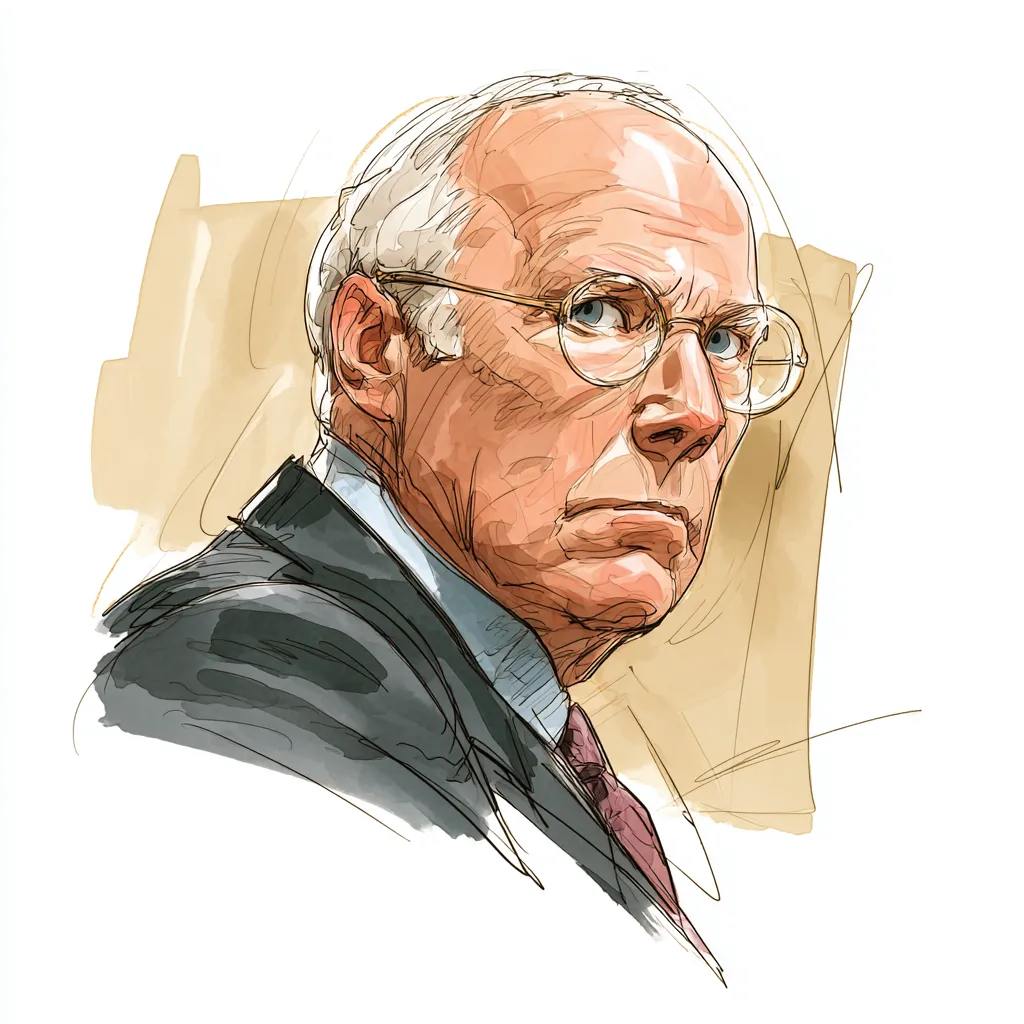
Cheney’s Political Philosophy: The Shadow Strategist’s Worldview
Realpolitik and Power Politics
Cheney’s approach to politics can be summed up by his embrace of realpolitik—a pragmatic, no-nonsense approach to international relations and domestic governance. Cheney believed that the U.S. should act from a position of strength, using its military and diplomatic power to shape global events.
His philosophy was clear: the U.S. should never shy away from using its influence to advance its interests. This mindset informed much of Cheney’s policy decisions, from his unwavering support for the Iraq War to his strong stance on counterterrorism measures.
Cheney’s brand of realpolitik also meant that he was willing to make tough, sometimes unpopular decisions. For Cheney, the end justified the means. This made him both a revered and a reviled figure in American politics.
Influence Over Time
Even after his time in office, Cheney’s influence on the Republican Party remained significant. His policies, particularly in defense and national security, set the tone for the party for years to come. The GOP’s stance on issues like military intervention, surveillance, and executive power can be traced back to Cheney’s leadership.
Moreover, Cheney’s presence in the Republican Party solidified the party’s alignment with hawkish, interventionist policies. His influence was felt not just in Washington, but in the broader political landscape, as he helped shape the party’s approach to governance and its priorities on the world stage.
The Impact of Cheney’s Shadow: Lessons from His Strategy
The Power of Quiet Influence
Dick Cheney’s career offers an essential lesson in the power of quiet influence. While he was not often in the public eye, Cheney was undeniably the architect of many critical decisions that shaped U.S. policy in the early 21st century. Unlike many politicians who seek the spotlight, Cheney was a master of maneuvering behind the scenes, pulling the strings and ensuring his vision was carried out without the need for widespread public recognition.
One of Cheney’s most effective strategies was his ability to influence policy discussions without directly leading them. By working closely with key figures in the military, intelligence, and legislative branches, he built a network of allies that reinforced his vision. His role in shaping national security policy, particularly after 9/11, highlighted his understanding that power could be wielded as much in private meetings and classified briefings as in the public eye.
For those interested in leadership and influence, Cheney’s career illustrates the importance of understanding when to lead publicly and when to influence behind the scenes. It’s a crucial lesson for anyone aiming to be a strategic leader. Sometimes, true power is not about being seen but about ensuring the right decisions are made—quietly, but effectively.
Legacy of Polarization
Another key lesson from Cheney’s time in power is the lasting effect of his policies on political polarization in the U.S. Cheney’s approach to national security, his role in the Iraq War, and his stance on civil liberties contributed to a growing divide between the left and right. For many, Cheney represented the embodiment of a more aggressive, interventionist foreign policy and the expansion of executive powers—ideas that were highly divisive.
While Cheney’s supporters saw his actions as necessary for safeguarding the nation, critics argue that his policies overstepped critical boundaries and created lasting damage. The Iraq War, in particular, has been cited as a pivotal moment in American history, one that shifted the global balance of power and introduced a new era of military engagement. Cheney’s insistence on military intervention, coupled with his dismissal of international opposition, was a move that many believed further entrenched divisions within the United States.
The ongoing debates over Cheney’s policies serve as a reminder of the long-term consequences that major decisions can have on national unity. Whether viewed as an indispensable patriot or a political architect of division, Cheney’s legacy underscores the importance of considering both the immediate and lasting impacts of one’s actions.
Frequently Asked Questions About Dick Cheney
Why Was Dick Cheney Called the “Shadow President”?
Dick Cheney’s nickname, “shadow president,” stemmed from his extensive influence over major decisions during the George W. Bush administration. Although he was Vice President, Cheney was often the dominant force behind foreign policy, military strategy, and national security issues. His deep involvement in crafting post-9/11 policies and the Iraq War made him seem like the true power behind the presidency.
What Was Dick Cheney’s Role in the Iraq War?
Cheney was a central figure in advocating for the invasion of Iraq in 2003. He played a pivotal role in pushing the narrative that Saddam Hussein possessed weapons of mass destruction (WMDs), a key justification for the war. Despite the lack of evidence supporting this claim, Cheney remained a staunch defender of the invasion, believing that removing Hussein was essential for national security and regional stability. His leadership in this decision has remained one of the most controversial aspects of his legacy.
What Are Some of Dick Cheney’s Most Controversial Decisions?
Cheney’s tenure as Vice President is marked by several highly controversial decisions. Key among them was his support for enhanced interrogation techniques (widely considered torture), the warrantless surveillance program, and his role in shaping the Iraq War. These policies have been criticized for their disregard of civil liberties and human rights, as well as their long-term impact on U.S. foreign relations.
Did Dick Cheney Influence the Republican Party?
Yes, Cheney had a significant influence on the Republican Party, particularly in shaping its approach to national security and foreign policy. His hawkish stance on military intervention, as well as his emphasis on executive power, became key pillars of the Republican platform in the years following the 9/11 attacks. Cheney’s brand of conservatism, which prioritized military strength and a robust foreign policy, helped define the party’s direction during and after his time in office.
What Is Cheney’s Legacy in U.S. Politics?
Dick Cheney’s legacy is complex and deeply polarized. On one hand, he is credited with playing a crucial role in safeguarding U.S. interests during the post-9/11 era and shaping the country’s approach to national security. On the other hand, his actions, particularly surrounding the Iraq War and his controversial policies on surveillance and interrogation, have left a lasting stain on his reputation. Whether seen as a political architect of the modern conservative movement or a figure who overstepped the bounds of power, Cheney’s impact on U.S. politics is undeniable.
Conclusion: Reflecting on Dick Cheney’s Legacy
Dick Cheney’s legacy is one that cannot be easily categorized. His strategic brilliance, particularly in matters of national security, and his ability to shape U.S. policy from behind the scenes marked him as one of the most powerful figures in modern American politics. Whether you view him as a visionary leader or a controversial figure who pushed the boundaries of executive power, his influence on U.S. politics is profound and enduring.
Cheney’s time in office was defined by his unflinching belief in the need for decisive action, even if those actions came with significant risk. His legacy, then, serves as both a cautionary tale and a model for strategic political maneuvering. As we reflect on his time in power, it’s clear that Cheney’s approach to governance—both its triumphs and its failures—continues to influence the way we view power, leadership, and the role of the U.S. in the global arena.
Call to Action
Now that you’ve learned more about the man behind the “shadow presidency,” it’s your turn to weigh in. What do you think of Cheney’s legacy? Did his actions help secure the nation, or did they push the boundaries of executive power too far? Share your thoughts in the comments below, and let’s continue the conversation about one of the most influential—and controversial—politicians in modern U.S. history.
Table of Contents
https://fr.wikipedia.org/wiki/Dick_Cheney
https://www.trendsfocus.com/man-struck-by-lightning-7-times-roy-sullivans/