
When Technology Started Living on Your Skin
Think about the last time your phone reminded you to stand up, breathe deeply, or go to bed earlier. Now think about how often that reminder came from something you were wearing, not holding. That quiet vibration on your wrist, that subtle glow on a ring, or that gentle alert during sleep didn’t feel like technology demanding attention—it felt like support.
This is where Wearable Tech has quietly reshaped daily life.
What once started as a simple step counter has evolved into something far more personal. Today, wearable devices don’t just track movement; they listen to your body, learn your habits, and respond to your needs. You’re no longer checking numbers for curiosity—you’re making decisions based on real-time insight about your health, focus, and well-being.
And this transformation goes far beyond fitness trackers.
What Is Wearable Tech? A Clear, Modern Definition
Understanding Wearable Tech Today
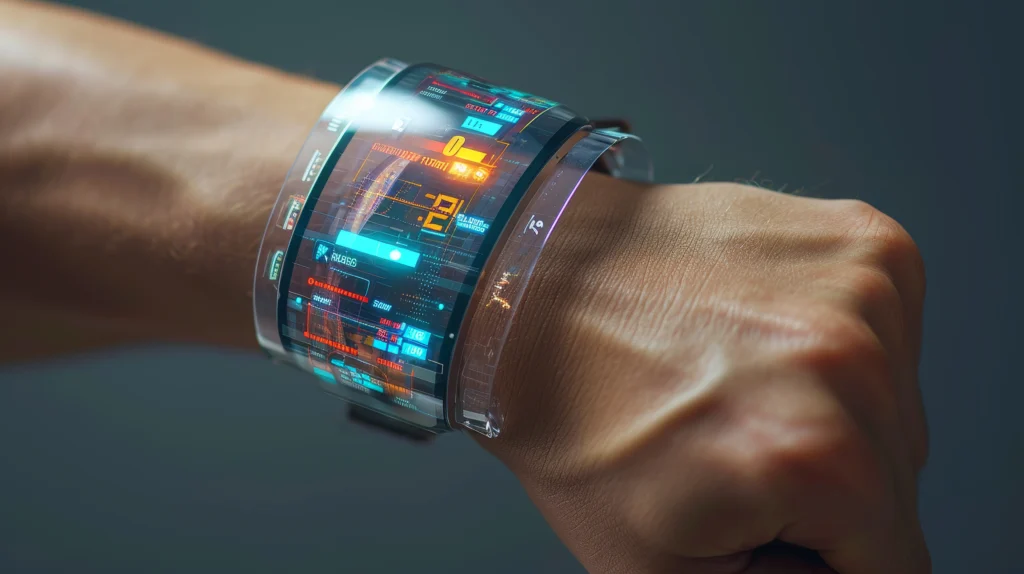
Wearable Tech refers to electronic devices designed to be worn on the body as part of daily life. Unlike smartphones or laptops, these devices stay with you constantly, collecting data passively and responding in real time.
What makes modern Wearable Tech different is not just portability—it’s context awareness. These devices don’t wait for input. They observe, analyze, and gently guide.
Common Types of Wearable Tech You See Today
Wearable technology now spans multiple categories:
- Smartwatches – health tracking, communication, payments
- Smart rings – sleep, recovery, stress monitoring
- Medical wearables – glucose monitors, ECG sensors
- AR/VR headsets – immersive work and learning tools
- Smart clothing – posture correction, muscle activity tracking
Each of these serves a role beyond counting steps, shifting Wearable Tech into everyday utility.
The Evolution of Wearable Tech: From Steps to Self-Awareness
The First Phase: Fitness Tracking
The earliest wave of Wearable Tech focused on activity:
- Steps taken
- Calories burned
- Distance covered
These devices created awareness, but the interaction was limited. You checked results after the fact.
The Second Phase: Health Intelligence
Modern Wearable Tech flipped that model. Instead of reporting past behavior, it interprets your present condition:
- Heart rhythm irregularities
- Sleep quality and cycles
- Stress response through heart rate variability
- Blood oxygen saturation
You’re no longer reacting—you’re anticipating.
This shift made Wearable Tech relevant to people who never cared about gyms or workouts.
Wearable Tech Beyond Fitness Trackers: Where the Real Change Happens
Wearable Tech in Healthcare
One of the most powerful applications of Wearable Tech is healthcare support.
You can now:
- Monitor chronic conditions from home
- Detect early warning signs before symptoms appear
- Share continuous data with healthcare providers
For many people, wearable devices have become an early alert system rather than a medical replacement—bridging the gap between appointments.
Wearable Tech and Mental Well-Being
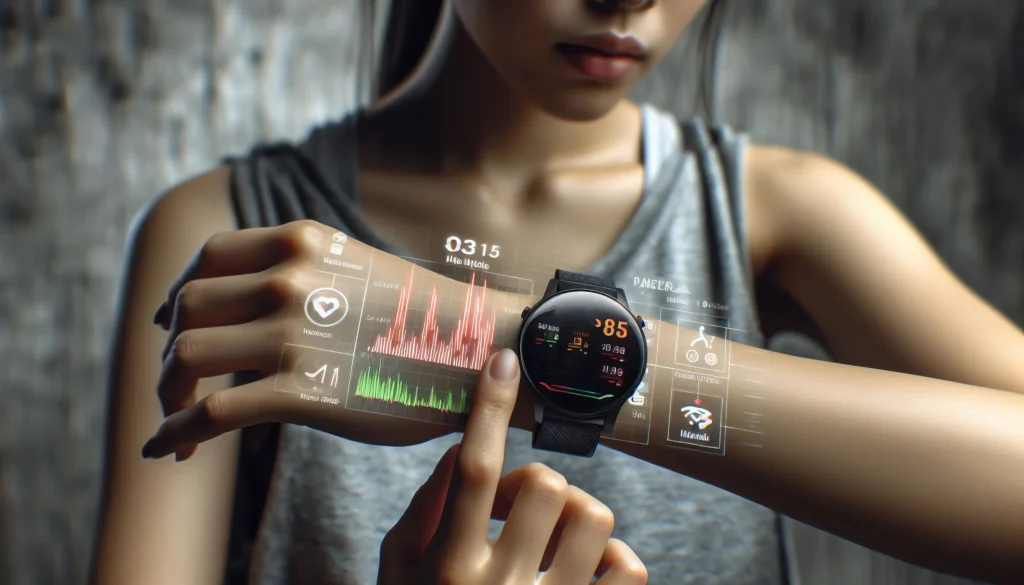
Your mental state leaves physical traces. Wearable Tech reads those signals.
Modern devices track:
- Stress patterns
- Recovery time
- Sleep consistency
- Nervous system balance
When your body signals overload, your device prompts rest, breathing, or disconnection—often before burnout hits.
Wearable Tech at Work
In professional environments, Wearable Tech supports productivity without disruption:
- Fatigue alerts in physically demanding jobs
- Focus reminders for desk workers
- Safety alerts in hazardous settings
Instead of pushing you harder, these tools help you work smarter and safer.
How Wearable Tech Fits Into Your Daily Lifestyle
When Fashion Meets Wearable Tech
Early wearables looked clinical. Today, design matters.
You’ll find Wearable Tech embedded in:
- Minimalist rings
- Elegant watches
- Discreet clothing materials
This shift allows you to benefit from technology without broadcasting it.
Payments, Communication, and Convenience
Wearable Tech also reduces friction in daily routines:
- Tap-to-pay without reaching for your phone
- Quick replies from your wrist
- Voice assistance while your hands stay free
Small conveniences add up to meaningful time savings.
Why Wearable Tech Adoption Is Growing So Fast
Key Benefits of Wearable Tech
You benefit from Wearable Tech because it works in the background:
- Real-time insights instead of delayed feedback
- Personalized data based on your body, not averages
- Preventive awareness rather than reactive fixes
- Seamless integration into daily habits
It supports consistency without demanding effort.
Why Trust in Wearable Tech Is Increasing
Improved sensors, better algorithms, and stronger data validation have changed perception. Wearable Tech is no longer viewed as a novelty—it’s becoming a reliable companion.
Challenges You Should Know About Wearable Tech
Data Privacy and Ownership
Your wearable collects sensitive information. Understanding how that data is stored and shared matters.
Before choosing a device, you should review:
- Data encryption policies
- User control over sharing
- Long-term storage practices
Accuracy and Interpretation
Wearable Tech provides insight, not diagnosis. Context still matters. Learning how to interpret trends rather than obsess over single readings ensures healthier use.
Accessibility and Cost
Advanced Wearable Tech can be expensive. As adoption grows, affordability and inclusivity remain key challenges for the industry.
The Future of Wearable Tech
AI-Driven Wearable Tech
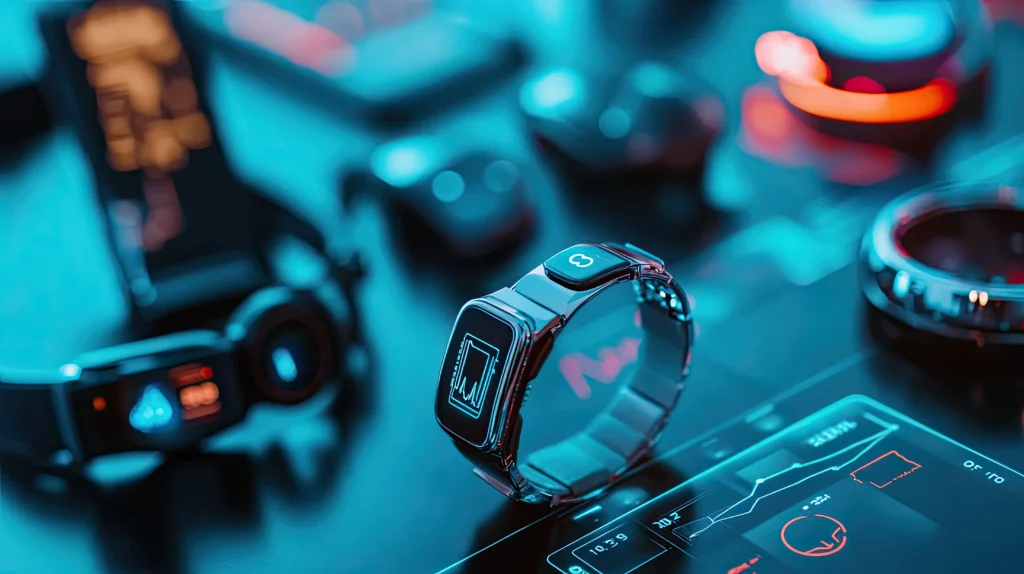
Artificial intelligence is pushing Wearable Tech into predictive territory:
- Forecasting illness risk
- Suggesting behavior adjustments
- Adapting recommendations dynamically
Your device becomes less of a tracker and more of a guide.
Connected Ecosystems
Wearable Tech is increasingly connected to:
- Smart homes
- Digital health platforms
- Workplace systems
This integration creates a seamless feedback loop across your environment.
Beyond Wearables
The next frontier includes:
- Skin-based sensors
- Non-invasive internal monitoring
- Neural interfaces
The goal isn’t more data—it’s deeper understanding.
How Wearable Tech Is Changing Human Behavior
From Reaction to Prevention
Wearable Tech nudges you toward better decisions before problems escalate. You sleep earlier. You rest when needed. You notice patterns you once ignored.
Your Emotional Relationship With Wearable Tech
Over time, you may trust your wearable more than your instincts—and that balance matters. The healthiest relationship is one where technology informs but doesn’t replace self-awareness.
FAQ: Wearable Tech Explained Clearly
What is wearable tech and how does it work?
Wearable Tech uses sensors to collect real-time data from your body and environment, then translates it into meaningful insights.
Is wearable tech accurate for health monitoring?
It’s accurate for trends and alerts, but it doesn’t replace medical diagnosis.
Can wearable tech replace doctors?
No. It supports awareness and monitoring, not professional care.
Is wearable tech safe for long-term use?
Current research shows no harm when used as intended.
What is the future of wearable tech beyond fitness trackers?
Predictive health, mental well-being support, and deeper integration into daily life.
Conclusion: Wearable Tech Is Becoming Part of You
Wearable Tech isn’t about gadgets anymore. It’s about awareness, balance, and prevention. It listens when you’re too busy to notice. It reminds you when you forget yourself.
As this technology evolves, the question isn’t whether you’ll use Wearable Tech—it’s how consciously you’ll integrate it into your life.
Your Next Step
If you’re considering Wearable Tech, start by asking what you want to understand about yourself—sleep, stress, focus, or health. Choose a device that supports that goal, not one that overwhelms you.
👉 Explore Wearable Tech intentionally, and let technology work for you—not the other way around.