
Publix Blueberry Recall
A routine trip to the grocery store can quickly become a food-safety concern when a product sitting in the freezer is suddenly recalled. That is the situation facing Publix shoppers after the U.S. Food and Drug Administration (FDA) upgraded the recall of certain GreenWise frozen blueberries and mixed berries to a Class I recall, the agency’s most serious recall classification.
The recall involves GreenWise Organic Whole Blueberries and Whole Mixed Berries that may be contaminated with E. coli O145, a strain of Shiga toxin-producing E. coli. The products were sold through Publix stores in eight states, and federal health officials are investigating an outbreak connected to frozen organic blueberries. As of the latest available information, 12 illnesses and four hospitalizations have been associated with the outbreak, with no deaths reported.
For consumers, the most important message is straightforward: do not eat the recalled berries. Anyone who has these products at home should check the packaging, discard the recalled items or return them to Publix, and clean surfaces and containers that may have come into contact with the berries.

What Led to the Publix Blueberry Recall?
The recall developed in stages rather than appearing all at once. On July 3, 2026, Frutas y Hortalizas del Sur S.A., a food company based in San Carlos, Chile, recalled a specific lot of frozen GreenWise organic blueberries after concerns about possible E. coli contamination. That initial recall involved 10-ounce packages with lot code 60401 and a best-by date of February 9, 2028.
The situation expanded later in July.
On July 29, Publix announced that it was recalling all lots of GreenWise Organic Whole Blueberries and Whole Mixed Berries because of potential contamination with E. coli O145. The move followed product traceback and epidemiological information gathered by public health officials during the investigation.
The FDA says it also conducted a remote regulatory assessment of the Chilean supplier and reviewed records concerning the company’s procedures and food-safety controls. Based on those findings, the agency had concerns about at least one additional lot of blueberries used in other GreenWise frozen products. Publix subsequently broadened its action to include all lots of the affected blueberry and mixed-berry products.
The FDA later elevated the recall to Class I, making the warning even more significant. A Class I recall means there is a reasonable probability that using or being exposed to the recalled product could cause serious adverse health consequences or death. It is the highest level in the FDA’s recall classification system.
That classification does not mean every package is contaminated or that everyone who consumes the product will become seriously ill. However, it does mean consumers should take the recall seriously and follow the government’s recommendation not to eat the affected products.
Publix has already removed the recalled products from sale. The company conducted an internal stop-sale action, and the affected products remain unavailable for purchase.
Which GreenWise Blueberries and Mixed Berries Are Recalled?
One of the most important questions for shoppers is which products are affected.
The current recall covers all lots of four GreenWise frozen products:
- GreenWise Organic Whole Blueberries, 10-ounce packages — UPC 41415-06453
- GreenWise Organic Whole Blueberries, 48-ounce packages — UPC 41415-12053
- GreenWise Organic Whole Mixed Berries, 10-ounce packages — UPC 41415-06753
- GreenWise Organic Whole Mixed Berries, 48-ounce packages — UPC 41415-12153
The recalled products were shipped to Publix stores in Alabama, Florida, Georgia, Kentucky, North Carolina, South Carolina, Tennessee and Virginia.
Consumers should pay particular attention to frozen fruit that may have been purchased some time ago. Because these products are frozen, they may still be sitting in the back of a freezer even though they are no longer available on store shelves.
The FDA recommends checking freezers for the recalled products rather than assuming that the absence of the items from current store shelves means there is no risk. If you purchased one of the affected products, do not rely on its appearance, smell or taste to determine whether it is safe. Contaminated food may not look or smell unusual.
The FDA also advises consumers who removed the berries from their original packaging and can no longer determine whether the product is part of the recall to throw it away. This is particularly important for frozen fruit that may have been transferred into another freezer bag or container.
The products were distributed across eight states, so shoppers who live in those areas should be especially aware of the recall. However, consumers should always check the latest FDA information because food recalls and outbreak investigations can change as officials gather additional information.
For consumers who purchased affected berries, Publix says the recalled products can be discarded or returned to the store for a full refund.
What Are the E. coli Risks and Symptoms?
The reason this recall has attracted so much attention is the potential presence of E. coli O145, a Shiga toxin-producing strain of E. coli.
E. coli infections can cause a range of symptoms, but common symptoms include severe stomach cramps, diarrhea, nausea, vomiting and fever. Some people develop bloody diarrhea. According to the CDC, symptoms from Shiga toxin-producing E. coli commonly begin several days after exposure, although the timing can vary.
Most people recover from an E. coli infection, but some infections can become much more serious. One of the most concerning complications is hemolytic uremic syndrome (HUS), a condition that can damage the kidneys and may require hospitalization. Young children, older adults and people with weakened immune systems can be particularly vulnerable to serious complications.
The current outbreak investigation has identified 12 people who became ill and four who were hospitalized. The CDC and FDA continue to investigate the outbreak, and no deaths have been reported in connection with it according to the latest available reports.
Consumers who ate recalled berries should monitor themselves for symptoms. The CDC recommends contacting a healthcare provider for severe symptoms, including bloody diarrhea, diarrhea lasting more than three days, a high fever, significant vomiting that prevents keeping liquids down, or signs of dehydration.
It is also important not to panic. A recall is a precautionary public-health measure designed to remove potentially dangerous products from the food supply. The best response is to check your freezer, follow the recall instructions and seek medical advice if symptoms develop.
Another important step is cleaning. If recalled berries were stored or prepared in a container, on a cutting board or on another surface, wash and sanitize those items carefully. The CDC recommends washing items and surfaces that may have touched the recalled berries with hot, soapy water or using a dishwasher when appropriate.
What Should Publix Shoppers Do Now?
If you have GreenWise Organic Whole Blueberries or Whole Mixed Berries in your freezer, the safest approach is simple: stop and check the package before eating them.
If the product matches one of the recalled items, do not taste it to see whether it is safe. Instead, throw it away or return it to Publix for a refund. Consumers should also clean and sanitize areas, containers and utensils that may have come into contact with the berries.
If the berries were removed from their original package and you cannot determine whether they are included in the recall, the FDA recommends disposing of them rather than taking a chance.
This recall is also a useful reminder that frozen foods should not be overlooked when checking for food-safety alerts. People often assume that frozen products are automatically safe because they remain in a freezer for long periods. Freezing can preserve food, but it does not make contaminated food safe to eat.
Consumers should also be cautious about sharing or serving recalled products to other people. The FDA specifically tells consumers, restaurants, retailers and food-service businesses not to eat, sell or serve the recalled berries. Businesses that may have handled the products should clean and sanitize surfaces and containers that came into contact with them.
For questions about the Publix recall, the company’s recall notice lists Publix Customer Care at 800-242-1227, available Monday through Friday from 8:30 a.m. to 5 p.m. Eastern Time. Consumers can also follow updates from the FDA and CDC as the investigation continues.
The biggest takeaway for shoppers is not to ignore the warning simply because the berries may have been purchased weeks ago. Frozen fruit can remain in a household freezer for a long time, meaning a recalled package could still be there today.
If you shop at Publix in Alabama, Florida, Georgia, Kentucky, North Carolina, South Carolina, Tennessee or Virginia, take a few minutes to check your freezer for the recalled GreenWise frozen berries. If you find them, don’t eat them—discard them or return them to Publix.
The FDA’s investigation remains ongoing, and consumers should continue checking official recall information for updates.
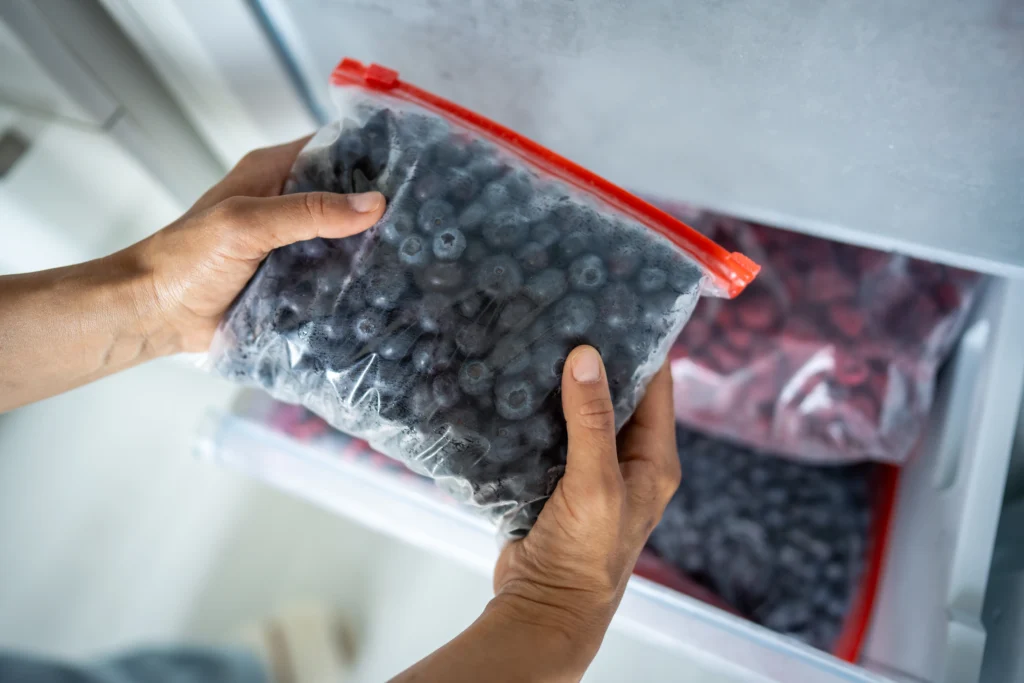
Table of Contents
FDA upgrades recall of frozen blueberries sold at Publix to highest health risk level – CBS News
Navy Debates Renaming USS Doris Miller Aircraft Carrier – trendsfocus
1 thought on “Publix Blueberry Recall: GreenWise Frozen Berries Linked to E. coli Risk”
Comments are closed.