
Palm Sunday is one of the most meaningful days in the Christian calendar, marking the start of Holy Week and commemorating Jesus’ triumphal entry into Jerusalem. Across the world, believers gather to celebrate, pray, and reflect on the significance of this sacred day. For many, it is a time to embrace hope, renewal, and the teachings of faith. Whether through church services, processions, or quiet personal reflection, Palm Sunday connects millions of people to a tradition that has lasted for centuries.
In this article, we explore the history, symbolism, and contemporary celebrations of Palm Sunday, helping you understand its meaning and how you can observe it in your own life.
The History and Significance of Palm Sunday
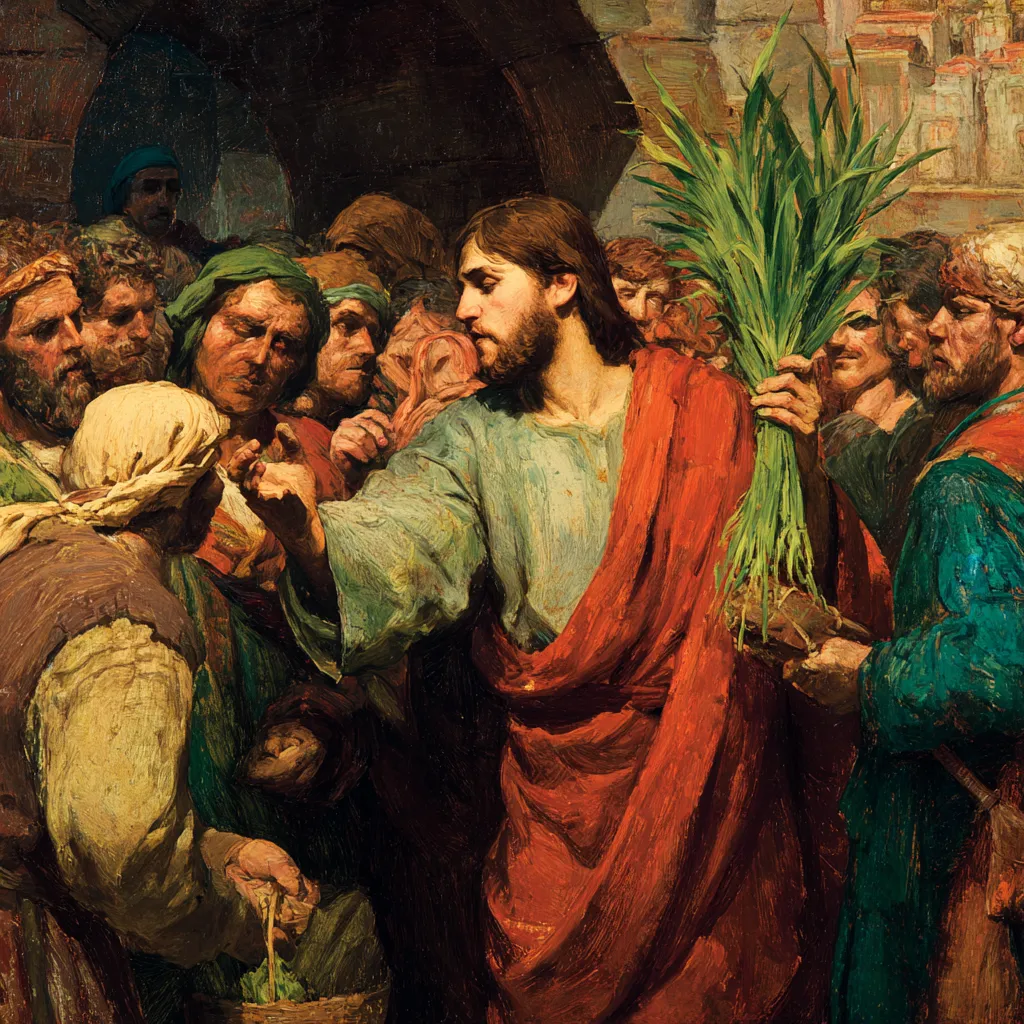
Palm Sunday traces back over two thousand years to the triumphal entry of Jesus into Jerusalem, an event described in the Gospels. As Jesus rode into the city on a humble donkey, crowds greeted Him by waving palm branches and shouting “Hosanna!” This moment symbolized joy, honor, and recognition of Jesus as the Messiah.
The use of palm branches has deep symbolism. In ancient times, palms represented victory, triumph, and eternal life. By carrying palms, the people of Jerusalem celebrated not just a historical event, but the spiritual hope that Jesus brought into their lives.
Today, Palm Sunday is recognized as the beginning of Holy Week, leading to Good Friday and Easter Sunday. It serves as a reminder to believers of Jesus’ path of sacrifice and the promise of redemption. Observing Palm Sunday allows us to reflect on humility, service, and the values of faith in our daily lives.
Traditional Practices and Observances
Palm Sunday is marked by a variety of rituals and customs that differ across cultures, yet share the same central meaning of faith and celebration.
- Church Services: Many communities hold special Palm Sunday services, where priests bless palm leaves and recount the story of Jesus’ entry into Jerusalem. These services often include reading the Passion narrative, connecting worshippers to the events of Holy Week.
- Processions: In many countries, processions are a key part of Palm Sunday. Participants carry palms, crosses, or branches, walking through streets or church grounds to reenact the journey of Jesus into Jerusalem.
- Palm Decorations: Blessed palms are often kept at home as symbols of protection and devotion. Some families weave palms into crosses or display them near windows to commemorate the day.
- Community Gatherings: Beyond religious rituals, Palm Sunday can be a time for community meals, reflection, and shared prayers, fostering a sense of connection and spiritual growth.
These practices help believers connect personally and collectively with the spiritual meaning of the day, blending tradition with reflection.
The Spiritual Meaning of Palm Sunday
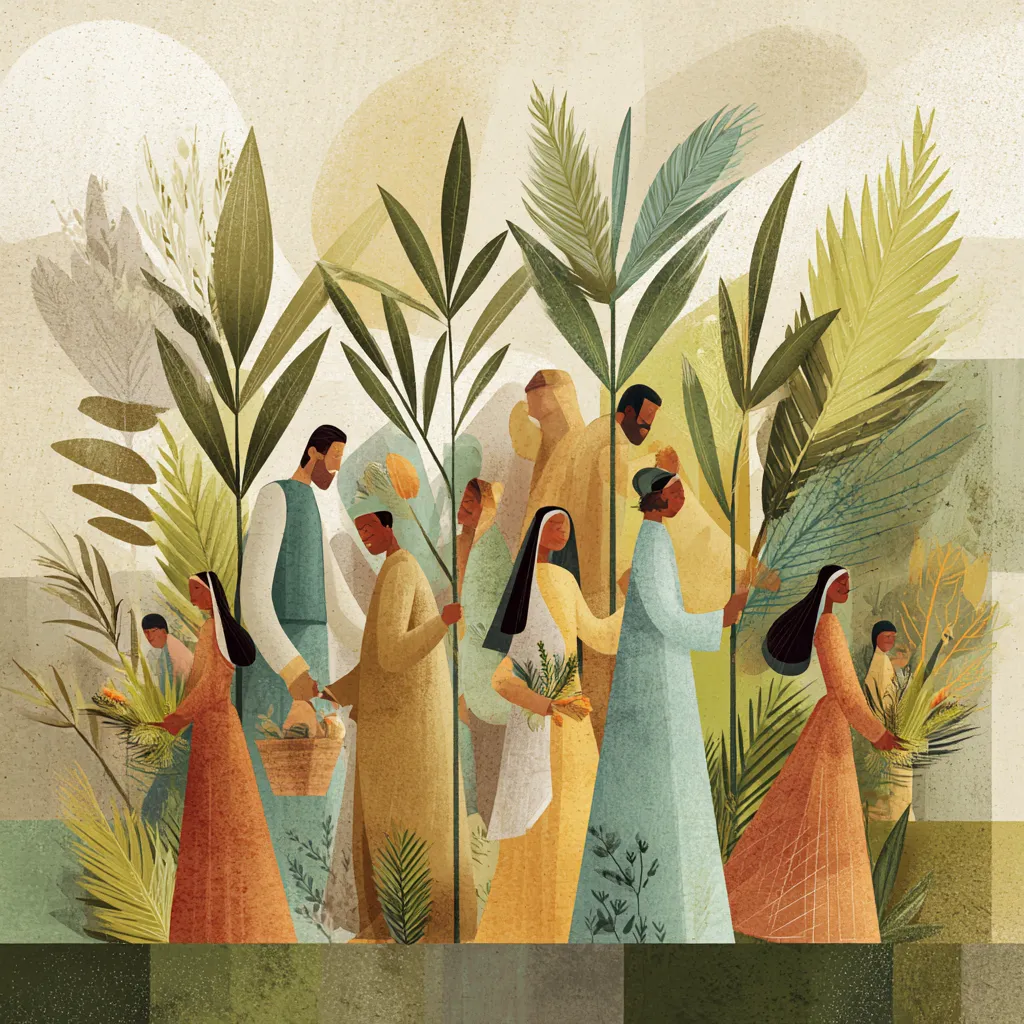
At its core, Palm Sunday is a day of hope, renewal, and reflection. While it celebrates Jesus’ entry into Jerusalem, it also prompts us to consider our own journeys of faith.
- Humility and Service: Jesus entered the city humbly on a donkey, reminding us that true leadership and influence come through service and compassion, not power or wealth.
- Joy and Celebration: The crowd’s excitement shows the importance of acknowledging and celebrating spiritual milestones in our own lives.
- Preparation for Sacrifice: Palm Sunday also foreshadows the events of Good Friday, teaching us about sacrifice, resilience, and faith in difficult times.
- Hope and Renewal: The waving of palms represents not just triumph, but the promise of new beginnings and spiritual renewal.
By reflecting on these lessons, Palm Sunday becomes more than a historical commemoration; it is an opportunity for personal growth and spiritual connection.
How to Observe Palm Sunday Today
Even if you cannot attend a church service, there are meaningful ways to observe Palm Sunday in your own life:
- Attend a Local Service or Watch Online: Many churches broadcast Palm Sunday services, allowing you to participate from home.
- Reflect and Pray: Take time for personal meditation or prayer, reflecting on the themes of humility, service, and hope.
- Create Your Own Palm Tradition: Use greenery or small palm branches to decorate your home, or craft simple crosses as reminders of the day.
- Engage with Community: Share the meaning of Palm Sunday with friends, family, or neighbors, fostering connection and reflection.
- Practice Acts of Kindness: Honor the spirit of the day by performing small acts of compassion or service, embodying the values that Jesus taught.
Observing Palm Sunday in these ways allows you to bring its spiritual lessons into everyday life, making the day meaningful regardless of location or circumstance.

Conclusion
Palm Sunday is more than a date on the calendar—it is a moment to celebrate faith, embrace hope, and reflect on spiritual growth. From ancient traditions to modern observances, it reminds us of the importance of humility, joy, and service in our lives.
By understanding its history, participating in rituals, and reflecting on its spiritual lessons, you can make Palm Sunday a day of connection, renewal, and inspiration. This Holy Week, take a moment to honor the journey of Jesus and explore how his example can shape your own path of faith.
🌿 How will you celebrate Palm Sunday this year? Share your reflections and traditions in the comments! 🌿
Table of Contents
LaGuardia Airport News: A Wake-Up Call for Aviation Safety – trendsfocus