
ODU Shooting
The campus of Old Dominion University (ODU) in Norfolk, Virginia, experienced a shocking and frightening event recently when shots were fired inside one of its main academic buildings. The incident immediately sent the university community into lockdown, forcing students and staff to confront the reality of violence on a college campus. While the situation was resolved in a matter of hours, it left a lasting impression on the campus and raised serious questions about emergency preparedness, campus security, and how students cope in such traumatic moments.
This blog post takes a closer look at what happened during the ODU shooting, how authorities and the campus community responded, the impact on students and staff, and the lessons that can be drawn about safety and prevention in the future.
What Happened During the Shooting
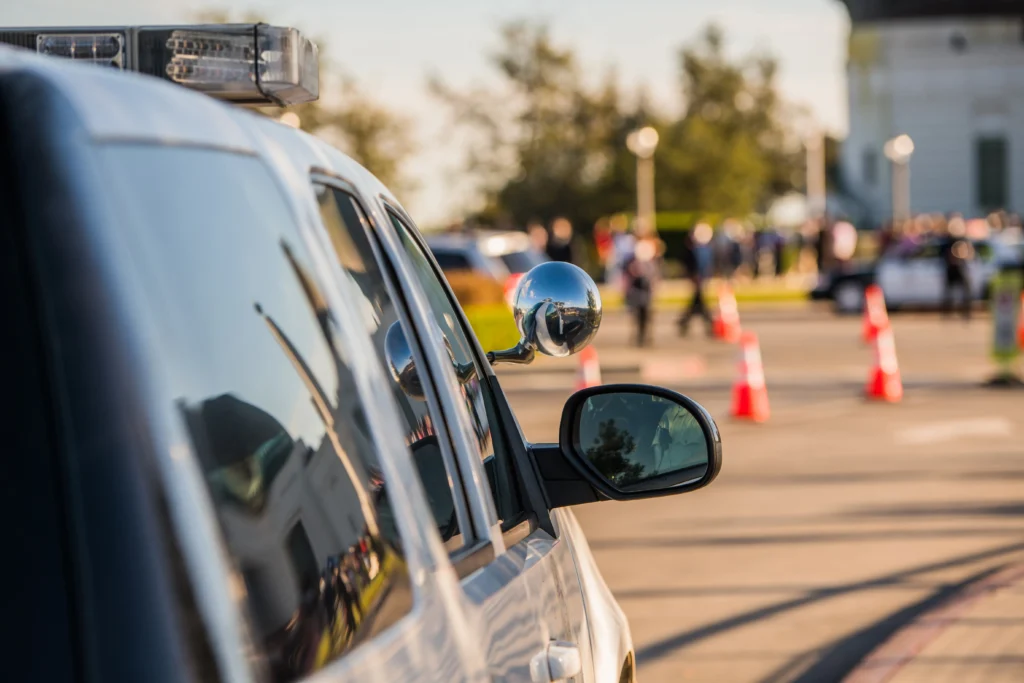
Shortly before 11 a.m., a gunman opened fire in Constant Hall, a central building on ODU’s campus that houses the College of Business. The sound of gunfire immediately prompted a campus-wide emergency alert, warning students, faculty, and staff of an active threat. Students were instructed to shelter in place, lock doors, and stay away from windows while authorities responded.
The university’s police and local law enforcement arrived within minutes. The shooter was ultimately killed during the response, and two individuals were injured and transported to the hospital for treatment. Authorities later confirmed that there was no further threat to the campus after the all-clear was issued.
While the situation was contained relatively quickly, the event highlighted how unpredictable and dangerous such incidents can be, even on campuses considered safe and well-monitored. For many students, the moments between the alert and the all-clear were tense and terrifying, leaving lasting impressions on those who experienced them firsthand.
Immediate Campus Response
The university’s emergency alert system played a crucial role in ensuring student and staff safety. Notifications were sent across email, text messages, and campus apps, instructing people to stay inside secure rooms and avoid common areas. The prompt communication helped limit exposure to the threat and allowed first responders to take control of the situation more efficiently.
Security personnel and law enforcement worked together to evacuate affected areas while keeping students in lockdown as needed. Classrooms were converted into temporary safe zones, and faculty members took active roles in calming students and helping them follow emergency procedures.
In addition to the physical response, the university canceled all classes and campus operations for the remainder of the day. This decision allowed investigators to secure the building, gather evidence, and review the sequence of events leading up to the shooting. The cancellation also provided students and staff the space to process the trauma and begin recovery in a controlled environment.
The rapid and coordinated response demonstrated the importance of preparedness and the effectiveness of emergency communication systems in mitigating risk during campus crises.

Impact on Students and Staff
Even after the immediate threat was neutralized, the shooting left a deep emotional impact on the ODU community. Students and staff described moments of chaos, fear, and uncertainty as they navigated the lockdown. Some recounted hearing gunfire from multiple locations and seeing law enforcement vehicles swarm the campus, heightening the stress of the situation.
Faculty and administrators worked to support their students through the ordeal, emphasizing calm, following safety instructions, and providing reassurance. Mental health resources, including counseling and crisis support, were made readily available to help individuals cope with the emotional aftermath.
The shooting also prompted wider conversations about campus safety. Students questioned whether security measures were adequate and how such incidents could be prevented in the future. Staff and faculty reflected on the importance of preparedness and discussed how to better train both personnel and students for emergencies.
These reactions highlight the complex and ongoing effects of campus shootings, which extend beyond physical injuries to emotional and psychological well-being. It underscores the need for universities to balance immediate safety measures with long-term support systems to help the community heal.
Looking Ahead: Safety and Prevention
As investigations into the ODU shooting continue, authorities are examining the shooter’s motives, actions, and how the incident was allowed to unfold. This review will be critical in identifying gaps in security and preventing similar events in the future.
The university has indicated plans to review emergency procedures, access control, surveillance systems, and campus security staffing. This review aims to make ODU safer and ensure that students and staff feel protected on campus. Lessons from this incident may also be applied to broader college and university safety practices across the country.
In the meantime, students, faculty, and families are encouraged to stay informed through official university communications. Following alerts, attending safety trainings, and participating in preparedness drills can all contribute to a safer campus environment.
The ODU shooting serves as a stark reminder of the importance of vigilance, preparedness, and community support in responding to campus emergencies. While the immediate threat was neutralized, the long-term effects on the campus community will require attention, dialogue, and resources to help students and staff move forward.
Conclusion
The shooting at Old Dominion University was a tragic and frightening event that shook the campus community. Thanks to rapid emergency response and effective communication, further harm was prevented, and the situation was contained. However, the incident highlights the ongoing need for campus safety measures, mental health support, and preparedness training.
As investigations continue and lessons are learned, the ODU community faces the challenge of healing while remaining vigilant about safety. Students, faculty, and families are encouraged to support one another, stay informed, and engage with resources that promote resilience and preparedness. The hope is that by learning from this incident, the campus can emerge stronger, safer, and more united than ever.
Table of Contents
2 injured and gunman dead after shooting at Old Dominion University in Virginia, school says | CNN
Is Russell Brand Dead? The Truth Behind the Viral Rumor – trendsfocus