
The global economy is experiencing a period of transformation, and one of the most significant changes is the introduction of new global tariffs set at 10%. This shift has far-reaching implications for international trade, businesses, and consumers alike. The tariffs, which impact a wide range of products, are poised to reshape supply chains, affect pricing structures, and alter market dynamics across the world.
For businesses that rely on international trade, these changes present both challenges and opportunities. Multinational corporations and small businesses alike will need to navigate the complexities of higher import costs, shifting trade policies, and consumer behavior. Meanwhile, consumers may feel the impact in the form of higher prices on everyday goods.
In this article, we will examine the implications of these 10% global tariffs, how they affect international trade, and what businesses should do to prepare for this new reality. Whether you’re a business owner or a consumer, understanding the economic landscape in the wake of these changes is critical.
What Are the New Global Tariffs and Why Are They Introduced?
Tariffs are taxes or duties placed on goods and services imported from other countries. These taxes are often used by governments to protect local industries from foreign competition or to raise revenue. However, they also have a significant impact on international trade, influencing the cost of products, the flow of goods, and the relationships between trading countries.
The new 10% global tariff affects a wide range of imports, including agricultural products, machinery, electronics, chemicals, and other goods. The introduction of these tariffs comes amid ongoing efforts by several governments to address trade imbalances and promote domestic production. Countries argue that such tariffs can protect local industries by making foreign goods more expensive, thereby encouraging consumers to purchase domestically produced products instead.
However, while tariffs may provide short-term relief for some domestic businesses, they also come with long-term risks, particularly for industries that rely on global supply chains. The increased cost of imports can lead to higher prices for consumers and disruptions in established trade relationships. Countries that are heavily reliant on exports or have deep trade ties with one another may also experience economic strain as a result of the new tariffs.
Economists point out that while protectionist measures like tariffs can help specific industries, they often lead to reduced global trade, which may ultimately hurt global economic growth. With this in mind, the introduction of these tariffs should be viewed not just as a trade policy decision but as part of a broader shift toward nationalism in global economics.
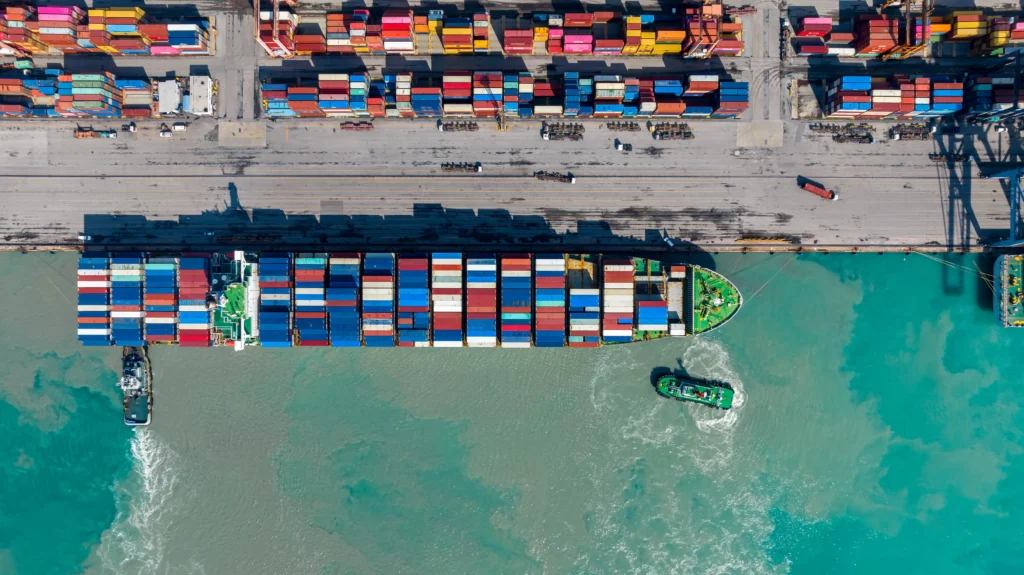
How Will Businesses Be Affected by the 10% Tariffs?
For businesses engaged in international trade, the introduction of 10% global tariffs will likely present a significant challenge. Companies that import goods from countries affected by these tariffs will face higher costs, which can have both direct and indirect effects on their operations. Let’s explore how businesses across various sectors will be impacted:
Higher Import Costs for Companies
Many businesses, particularly those in the manufacturing and technology sectors, depend on the import of raw materials, components, and finished goods from foreign countries. With the introduction of these new tariffs, businesses will be forced to absorb the additional costs of importing goods. These higher costs can lead to reduced profit margins and force companies to raise prices on their products and services.
For example, manufacturers that rely on imported components such as semiconductors, machinery parts, or raw materials like steel or aluminum may face increased costs. Companies that produce electronics, automobiles, or consumer goods might find it more expensive to import the necessary parts to assemble their products, leading to price hikes for end consumers.
Supply Chain Disruptions
Another significant impact of the new tariffs will be supply chain disruptions. Many companies have global supply chains, with production and assembly spread across different countries to take advantage of lower costs and specialized expertise. The introduction of tariffs at a global scale forces businesses to reconsider their supply chain strategies.
Companies may need to restructure their supply chains by seeking new suppliers or reshoring certain aspects of production. For instance, a company that previously sourced its raw materials from China or Mexico may find it more cost-effective to look for suppliers in countries that are less affected by tariffs or closer to home. This may involve relocating production facilities or adjusting procurement strategies, which could be both costly and time-consuming.
As global supply chains become more fragmented due to tariffs, companies may also face delays and uncertainty in their ability to fulfill orders. This could disrupt inventory levels, increase lead times, and complicate the management of products across borders.
Effects on Small and Medium Enterprises (SMEs)
While large multinational corporations have the resources to absorb the costs associated with tariffs or shift their operations to mitigate the impact, small and medium-sized enterprises (SMEs) are likely to feel the pain much more acutely. SMEs, which often have limited access to capital and fewer alternatives for sourcing goods, may find it harder to weather the storm created by the 10% tariffs.
For SMEs, this means higher costs and potentially decreased competitiveness in the market. Smaller businesses may also face cash flow issues if they are forced to pay higher tariffs on imported goods upfront, with delayed returns on investment.
Impact on Consumers: Higher Prices and Limited Choice
Consumers are likely to feel the effects of these new global tariffs directly in their wallets. As businesses pass on the higher costs of imports to consumers, products will likely become more expensive. Whether it’s an increase in the price of electronics, automobiles, food, or clothing, everyday items will see a price bump due to the tariffs.
Higher Consumer Prices
Increased tariffs on products from foreign countries will raise the cost of goods, particularly those that are heavily reliant on imports. Consumer goods like smartphones, laptops, cars, and household appliances may experience significant price increases. Additionally, food prices could rise if tariffs are imposed on agricultural products such as grains, meat, or fruits and vegetables.
These price hikes could have a disproportionate impact on lower-income consumers, who are more likely to spend a higher percentage of their income on everyday goods. With the cost of living rising and wages remaining stagnant in many places, higher prices could place additional stress on household budgets and reduce disposable income.
Limited Consumer Choice
In addition to higher prices, consumers may also experience a reduction in product variety. If businesses face increased costs from foreign suppliers, they may choose to limit the range of products they offer or discontinue certain imported items altogether. In some cases, products that were previously imported from countries with lower production costs may be replaced with more expensive domestic alternatives.
The reduction in product diversity could impact consumers’ purchasing choices, as they may find fewer imported goods available at a competitive price. This may particularly affect consumers who prefer specific international brands or high-quality products that are not produced domestically.
Slower Economic Growth
In the long term, the cumulative effects of higher tariffs could slow economic growth. As businesses face higher costs and reduced profit margins, they may be less likely to invest in expansion, hiring, or innovation. Lower consumer spending, combined with reduced business investment, could result in a stagnant economy and lower overall demand for goods and services.
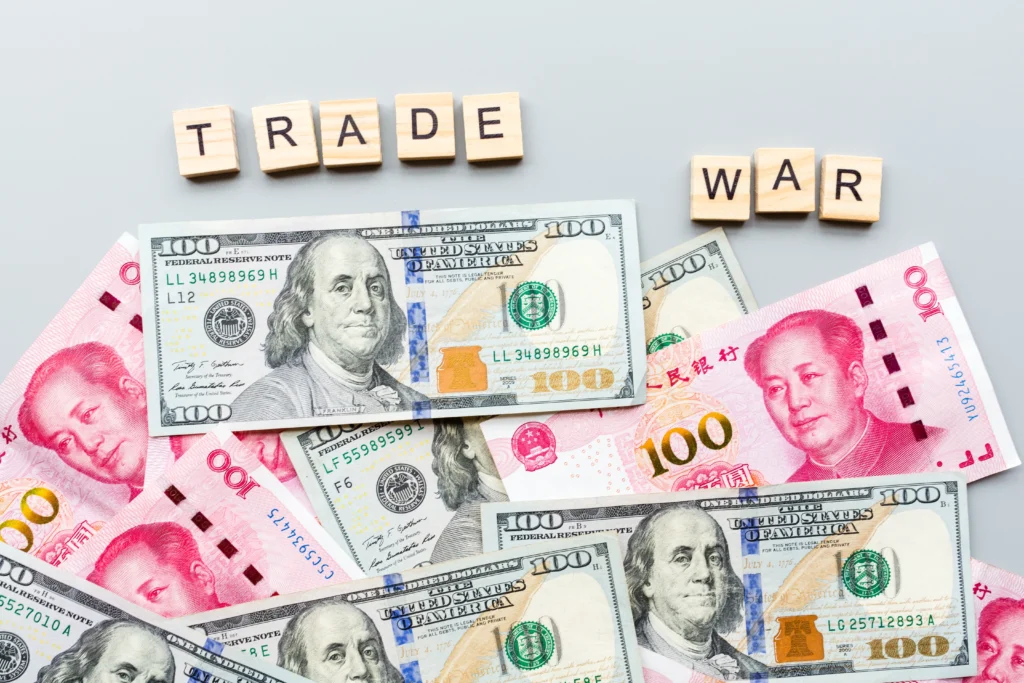
What Should Businesses Do to Prepare for the Tariffs?
With the introduction of the 10% global tariffs, businesses must take proactive steps to mitigate the potential impact and position themselves for success in an increasingly protectionist world. Here are some key strategies that companies can use to prepare for the new tariff landscape:
1. Reevaluate Your Supply Chain Strategy
Businesses should begin by assessing the potential vulnerabilities in their supply chains. Diversifying suppliers and exploring domestic alternatives for critical components can help reduce dependency on foreign suppliers that may be impacted by tariffs. Companies should also assess their current inventory levels and forecast potential price increases, ensuring they have the flexibility to adjust quickly.
For example, a company that imports electronics from Asia might consider sourcing components from suppliers in countries with lower tariffs or building closer relationships with domestic manufacturers to reduce reliance on global supply chains.
2. Adjust Pricing and Product Strategies
With higher input costs and supply chain disruptions likely on the horizon, businesses will need to adjust their pricing strategies. Raising prices on products might be inevitable, but businesses should be strategic in how they communicate these increases to consumers. Offering value-added services, bundling products, or offering tiered pricing could help businesses mitigate the effects of price hikes and maintain customer loyalty.
Additionally, companies might need to reconsider their product offerings. For example, businesses might focus on domestic production or shift toward products that are less affected by tariffs to maintain profitability while catering to consumer preferences.
3. Stay Agile and Monitor the Global Economy
Finally, businesses must remain agile in their approach to an ever-changing trade environment. They should keep a close eye on any shifts in global trade policies, including the introduction of new tariffs, the negotiation of trade agreements, or the possibility of trade wars. Staying informed will allow companies to pivot quickly if new opportunities or risks arise.
By having a proactive strategy in place, businesses can better navigate the complexities of a world where tariffs and trade policies may change on short notice.
Conclusion: A New Era of Global Trade and Protectionism
The introduction of 10% global tariffs marks a significant turning point in international trade and global economics. While these tariffs may benefit domestic industries in the short term, they also pose substantial risks, including higher costs for consumers, supply chain disruptions, and increased business uncertainty.
As businesses and consumers adjust to this new reality, it is crucial to understand the long-term implications of protectionist trade policies. The key to thriving in this evolving landscape will be flexibility, innovation, and the ability to adapt quickly to shifting economic conditions.
For businesses, staying informed, adjusting strategies, and managing costs will be essential to surviving the challenges posed by these tariffs. For consumers, understanding the causes and effects of tariff policies will help navigate the higher prices and reduced choices that may arise.
As global trade continues to evolve, it remains to be seen whether tariffs will foster stronger domestic industries or lead to increased global tensions. However, businesses and consumers must be prepared for a new era of trade where protectionism may continue to shape the way goods and services flow across borders.
Table of Contents
Trump raises global tariffs to 15%, day after Supreme Court ruling – BBC News
Market Volatility After New Tariffs: A Guide for Investors in 2026 – trendsfocus