
Minnesota Classic Car
Classic cars have always represented more than just vehicles. They are symbols of history, craftsmanship, nostalgia, and personal passion. For many enthusiasts, owning a vintage car is like preserving a piece of living heritage. However, a recent legislative proposal in Minnesota has sparked intense debate across the United States and beyond, as it could significantly change how classic and collector vehicles are used on public roads.
The proposed measure, known in discussions as HF 3865, aims to redefine the rules governing the operation of collector vehicles. While supporters argue that it brings clarity and safety improvements, critics believe it could severely restrict the freedom of car collectors and potentially harm an entire automotive culture.
This article explores the proposed law, its motivations, its potential consequences, and the wider debate surrounding classic car regulation.
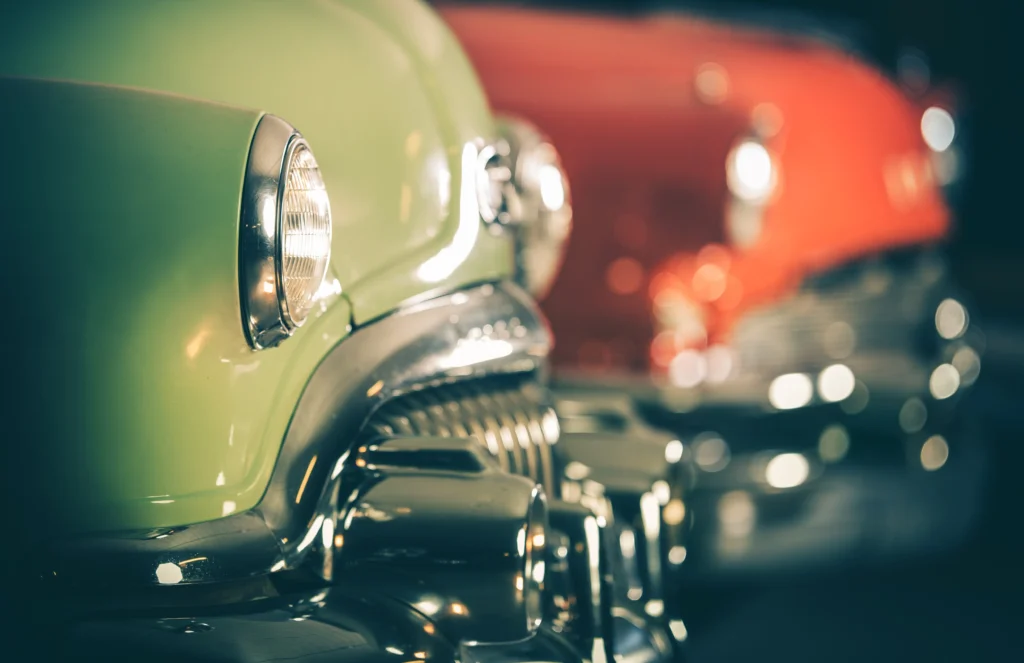
Minnesota’s Proposed Classic Car Law and Why It Matters
The Minnesota proposal has drawn attention because it does not simply adjust minor technical regulations—it potentially reshapes the everyday use of classic vehicles.
At the core of the proposal is the idea that collector cars should primarily be used for limited purposes rather than regular transportation. Under the suggested framework, classic vehicles would be encouraged—or in some interpretations, restricted—to operate mainly in controlled environments such as exhibitions, parades, or organized events.
In addition, discussions around the bill include the possibility of limiting driving to weekends or daylight hours, as well as reducing or eliminating weekday use for general personal transportation.
While the law is still under debate and subject to revisions, its symbolic importance is already clear: it represents a growing tension between regulation and cultural preservation.
Classic cars are not just mechanical objects; they are part of a global community. Any legal shift affecting them tends to resonate far beyond state borders, influencing discussions in other U.S. states and even internationally.
What the Proposed Restrictions Would Change for Owners
If the proposed legislation were implemented in its strictest form, it would significantly alter the daily reality of classic car ownership.
Currently, many owners of vintage vehicles enjoy a relatively flexible system. Depending on local registration categories, they can drive their cars for leisure, maintenance, events, and sometimes even limited commuting. This flexibility allows collectors to fully enjoy their vehicles while still preserving them.
The proposed changes would introduce more structured limitations. Classic cars could be:
- Restricted primarily to car-related events such as exhibitions, rallies, or parades
- Limited to weekend use only for personal driving
- Subject to daytime-only operation rules
- Discouraged or restricted from weekday commuting or regular road use
For collectors, this would mean a major shift in how they interact with their vehicles. A classic car would transition from being a semi-usable passion vehicle to something closer to a regulated hobby item, used only under specific conditions.
This raises practical concerns. Many enthusiasts maintain their vehicles carefully through regular use. Reducing driving opportunities could lead to mechanical issues, as long periods of inactivity are not always beneficial for older engines and components.
Furthermore, owners who live in rural or suburban areas often rely on flexible usage to justify maintenance costs, insurance, and restoration investments.
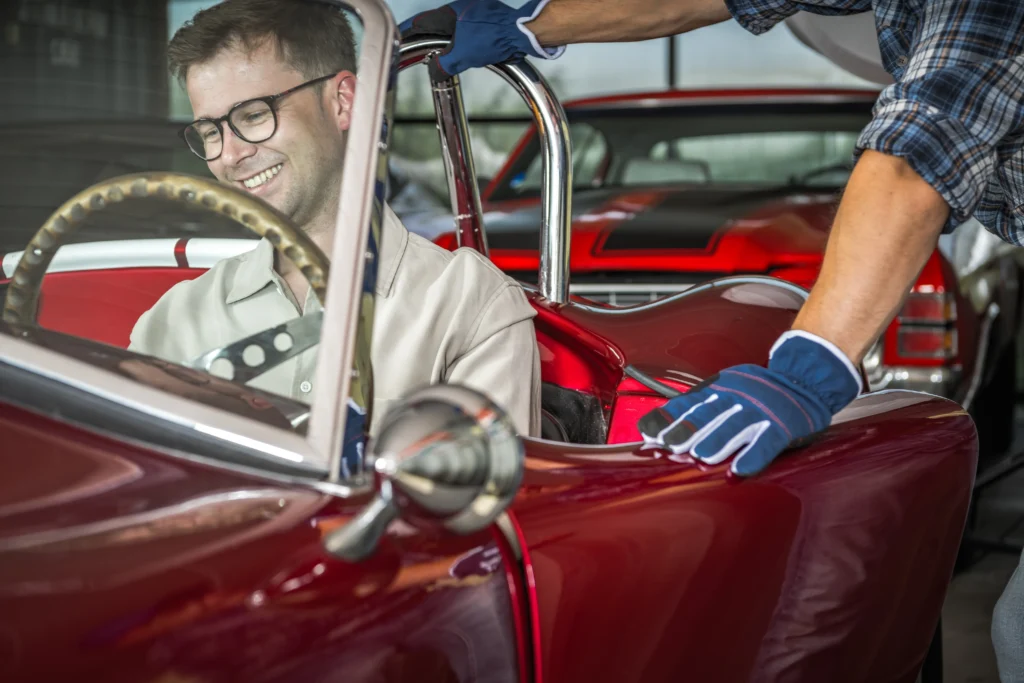
Supporters’ Perspective: Safety, Regulation, and Road Management
Supporters of the proposed restrictions argue that clearer regulation is necessary to improve road safety and reduce ambiguity in existing rules.
One of the key arguments is that classic vehicles, while cherished, may not always meet modern safety or environmental standards. Older braking systems, lighting, emissions, and structural designs differ significantly from contemporary vehicles. From a regulatory standpoint, limiting their exposure to daily traffic could reduce potential risks.
Another point raised by supporters is consistency. In some cases, the rules governing collector vehicles vary or are interpreted differently, creating confusion for both owners and law enforcement. A more structured framework could help standardize expectations and reduce legal uncertainty.
Additionally, proponents argue that classic cars are not intended for daily commuting. They are considered cultural or historical assets rather than functional transport tools. By limiting their use to special occasions, the law would reinforce their status as preserved heritage items rather than regular vehicles.
Some also suggest that reduced road usage could decrease traffic congestion and emissions, even if the overall environmental impact of classic cars is relatively small compared to modern transportation systems.
From this perspective, the proposal is not about restricting passion but about defining clearer boundaries for a specific category of vehicles.
Critics’ Concerns: Culture, Freedom, and Economic Impact
Opposition to the proposed restrictions is strong and emotionally driven, particularly among car enthusiasts and restoration communities.
One of the most common criticisms is that classic cars represent personal freedom and cultural heritage. For many owners, these vehicles are deeply tied to identity, history, and craftsmanship. Limiting their use to controlled events could diminish the joy and authenticity of ownership.
Collectors also argue that regular driving is part of preserving a classic car. Mechanical systems benefit from movement, and long periods of inactivity can actually increase maintenance issues. From this perspective, restrictions could unintentionally harm the very vehicles they aim to regulate.
Another concern is economic impact. The classic car industry supports a wide ecosystem of businesses, including restoration workshops, specialty parts suppliers, mechanics, event organizers, and tourism-related activities. Reduced usage could potentially affect demand and activity within this sector.
There is also a broader philosophical concern about regulation. Critics worry that such policies could set a precedent for further restrictions on hobbies and personal interests in the future. The fear is not only about cars, but about the gradual narrowing of personal freedoms in the name of regulation.
In addition, many enthusiasts emphasize that classic car communities already practice responsible ownership. Events, clubs, and informal rules often encourage safe and respectful usage without requiring strict government intervention.
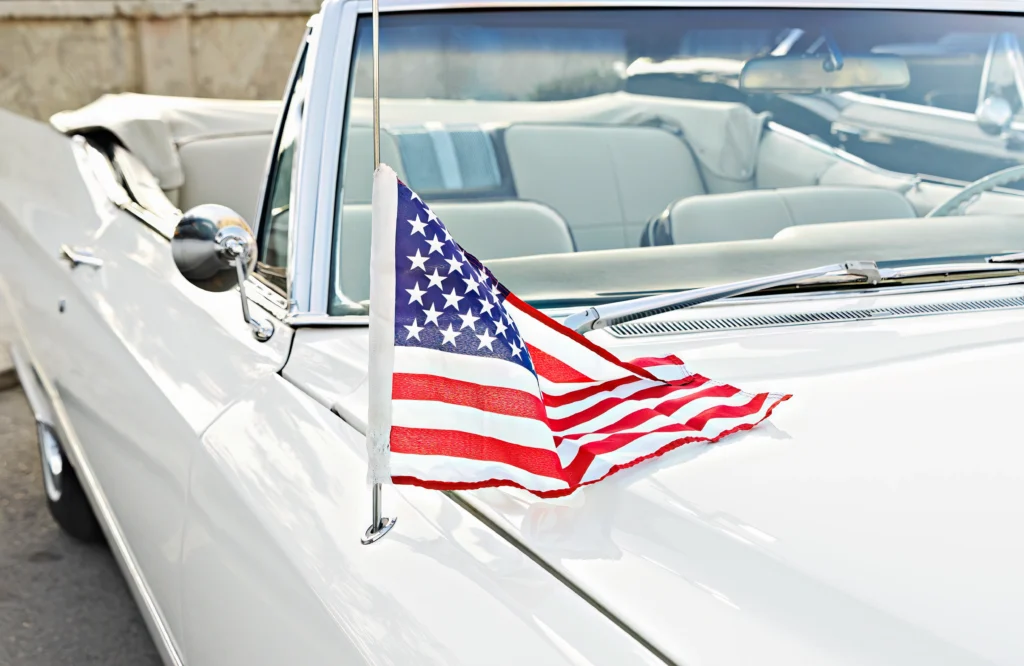
The Future of Classic Cars and Regulatory Trends
The debate in Minnesota reflects a broader global conversation about how governments should manage heritage vehicles in a modern world. As cities become more focused on sustainability, emissions reduction, and traffic control, older vehicles naturally come under greater scrutiny.
However, at the same time, classic cars are increasingly recognized as cultural artifacts. Many countries treat them as protected heritage items, offering special registration categories, tax benefits, and exemptions to encourage preservation.
The challenge lies in finding a balance between preservation and regulation. Too many restrictions could discourage ownership and lead to the gradual disappearance of automotive history from public roads. On the other hand, too little regulation may create inconsistencies in safety and environmental policy.
In the future, technology may also influence this debate. Some experts suggest that synthetic fuels, electric conversions, or limited-use digital permits could provide compromise solutions that preserve classic cars while aligning with modern standards.
Ultimately, the outcome of the Minnesota discussion could serve as a reference point for other regions considering similar policies. Whether it becomes a model or a warning example will depend on how lawmakers balance safety, culture, and personal freedom.
Conclusion
The proposed classic car legislation in Minnesota has opened a significant debate that goes far beyond one state or one country. It touches on deeper questions about regulation, cultural preservation, and individual freedom.
For supporters, it is about clarity, safety, and modernization. For critics, it is about protecting a beloved hobby and preserving a living piece of history.
As discussions continue, one thing remains clear: classic cars are more than machines—they are emotional, cultural, and historical symbols. Any decision affecting them will inevitably spark strong reactions and long-lasting consequences.
The future of classic car ownership may depend on how well policymakers can balance these competing interests in the years ahead.
Table of Contents
Minnesota bill sparks debate over classic car driving limits
US Military Draft 2026: Automatic Registration Explained – trendsfocus