
In recent days, Mexican influencer Maria Julissa has become a viral sensation and the center of worldwide attention after her name appeared in connection with the death of infamous cartel leader Nemesio Oseguera Cervantes, also known as El Mencho. The sudden surge of rumors, online speculation, and AI-generated images has sparked an intense discussion across social media, drawing curiosity, skepticism, and controversy.
Maria Julissa, previously known primarily for her lifestyle, fashion, and social media content, is now facing an unprecedented wave of global attention. While much of the information circulating online remains unverified, the story highlights the enormous impact of social media, how quickly rumors can spread, and the challenges public figures face when viral content takes on a life of its own.
Who Is Maria Julissa?
Maria Julissa is a Mexican social media influencer who has built a significant following by sharing content about her daily life, fashion, travel, and lifestyle. Her rise to prominence came through platforms where visual storytelling and personal branding play a major role, allowing her to connect with thousands of followers who admire her style and personality.
Before the recent controversy, Maria Julissa had largely stayed out of political or criminal news. Her public image was that of a vibrant content creator with an engaging personality, earning her opportunities to collaborate with brands and gain recognition in influencer circles.
Despite her relatively low involvement in major news stories, her growing popularity made her a target for speculation once rumors about El Mencho’s death began circulating. Social media users quickly latched onto her name, fueled by curiosity and sensationalist posts.
The Viral Rumors Connecting Her to El Mencho
The controversy began shortly after reports emerged about a major operation in Mexico that resulted in the death of cartel leader El Mencho. Almost immediately, Maria Julissa’s name appeared in online discussions, claiming that she had some connection to the events. Some posts suggested that she had provided information or helped authorities locate the notorious cartel figure, while others implied a more personal connection.
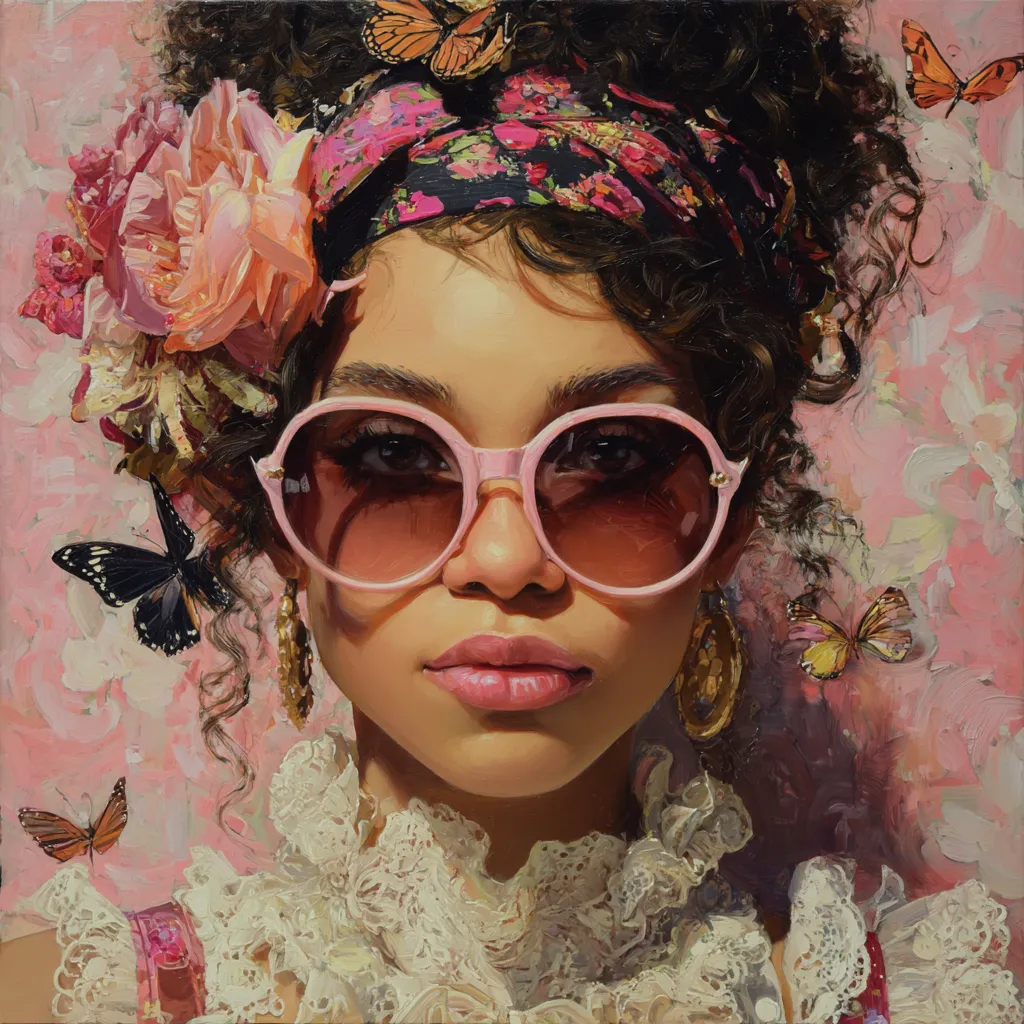
Adding to the confusion, AI-generated images depicting Maria Julissa in scenarios related to the operation began circulating on social media. These manipulated visuals amplified speculation and gave false credibility to the rumors, causing the story to spread at an unprecedented pace.
Within hours, her name became a trending topic not only in Mexico but internationally, with thousands of people sharing, commenting, and debating her alleged involvement. The situation demonstrates how quickly online narratives can spiral, even when there is no verified evidence to support them.
Maria Julissa’s Denial and Statement
In response to the rapidly spreading rumors, Maria Julissa publicly denied any involvement in the operation or connection to El Mencho. She stated clearly that the claims circulating on social media were false and part of a wave of misinformation that had escalated beyond control.
Her statement also served to address the safety concerns that arose from viral speculation. Public figures like Maria Julissa are often vulnerable when misinformation spreads, and the rapid virality of these rumors can have real-life consequences, from harassment to threats and reputational damage.
Maria Julissa emphasized that her work and personal life are unrelated to any criminal activity. She urged her followers and the general public not to believe everything that circulates online without verified evidence. Her response highlights the challenges influencers face when viral rumors misrepresent their image and put them under intense scrutiny.
Impact on Social Media and Public Perception
The controversy surrounding Maria Julissa has become a case study in how social media can amplify rumors and shape public perception. Even without any verified evidence, viral posts, manipulated images, and speculation caused her to enter international headlines.
This situation reflects the growing influence of online content and the speed at which unverified claims can reach millions of users. Public perception can be shaped not by facts but by what is shared, liked, and amplified across networks. For influencers and public figures, the stakes are high: a viral rumor can damage a career, alter public trust, and even impact personal safety.
Experts have noted that this incident underscores the importance of media literacy and critical thinking. While social media platforms provide a powerful space for connection and creativity, they also carry risks when misinformation spreads unchecked. Maria Julissa’s experience shows the human impact of online rumors and the responsibility audiences have to verify information before sharing or believing it.

What This Means Moving Forward
As the story continues to unfold, it remains unclear whether any verified information will emerge that changes the narrative. For now, Maria Julissa remains at the center of a global conversation, navigating a complex mix of curiosity, speculation, and media attention.
The case also serves as a reminder for other influencers and public figures to remain vigilant in the digital age. Protecting one’s reputation, addressing false claims promptly, and maintaining transparency with audiences are critical strategies when navigating viral controversies.
For the general public, the story emphasizes caution in consuming and sharing content online. Viral stories may feel urgent and credible, but without verification, they can perpetuate false narratives and create unnecessary harm.
Ultimately, Maria Julissa’s experience is likely to be remembered as a moment when social media, AI-generated content, and public speculation collided, demonstrating both the power and the risks of the digital landscape. As observers continue to watch developments closely, the story is a vivid example of how quickly an influencer can move from everyday recognition to international headlines, all due to the viral nature of online platforms.
Conclusion:
The Maria Julissa controversy highlights the enormous power of social media and the rapid spread of rumors in today’s digital world. Despite her denials and lack of verified connection to El Mencho or any operation, she has become a focal point for discussions on misinformation, online speculation, and public perception.
As social media continues to evolve, the case underscores the need for careful verification, responsible sharing, and awareness of how quickly viral content can affect real people. For Maria Julissa, the coming days will likely be crucial in managing her public image, while the broader story serves as a reminder of the challenges influencers face in the age of instant information.
Table of Contents
Cartel Leader Killed in Mexico — Violence Spreads Across the Country – trendsfocus