
The Middle East is once again at the center of global attention after a dramatic claim by the Islamic Revolutionary Guard Corps (IRGC) that it launched missiles targeting a major American aircraft carrier. The statement quickly spread across international media and social platforms, fueling debate, concern, and speculation about a possible escalation between global powers.
According to Iranian officials, the operation was meant to demonstrate military capability and respond to growing tensions in the region. However, US military leaders have strongly rejected the claim, insisting that the aircraft carrier was never hit and continues its operations without damage.
This situation highlights not only the fragile geopolitical balance in the Middle East but also the information battle that often accompanies modern conflicts. As governments release conflicting statements, analysts and observers around the world are closely monitoring every development.
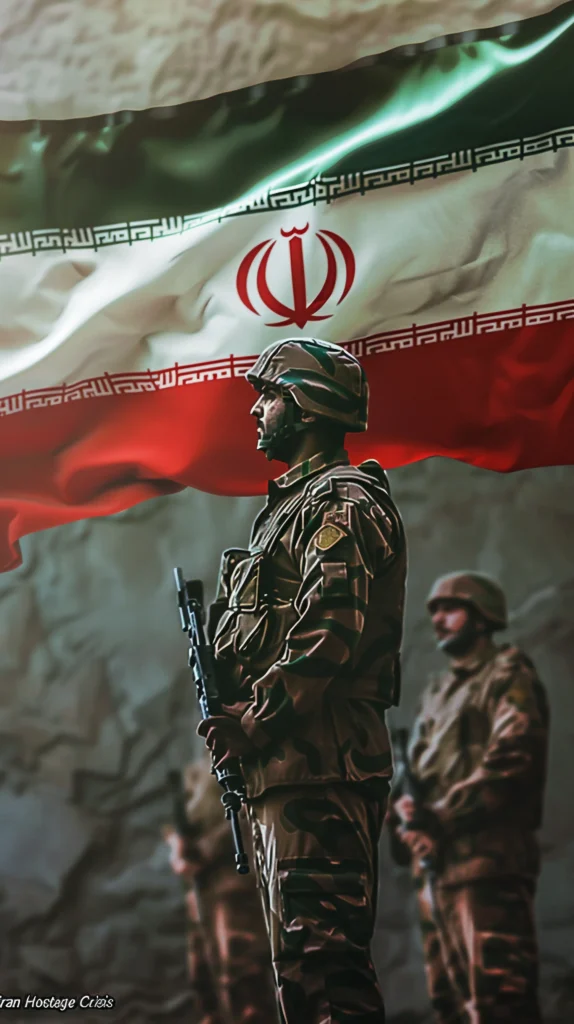
The Announcement from the Islamic Revolutionary Guard Corps
The incident began when the Islamic Revolutionary Guard Corps announced that it had launched ballistic missiles targeting the US aircraft carrier USS Abraham Lincoln in the Gulf region. Officials in Iran said the attack was part of a wider military response linked to recent confrontations involving American forces and regional allies.
According to statements released through Iranian media channels, several missiles were fired toward the carrier during what was described as a strategic operation. The IRGC claimed that the strike demonstrated Iran’s growing missile capabilities and its readiness to defend its interests against foreign military presence.
The announcement immediately attracted worldwide attention. Military analysts noted that aircraft carriers represent some of the most powerful assets in modern naval warfare, capable of projecting force across vast regions through fighter jets, surveillance systems, and advanced defense technology.
For Iran, claiming to strike such a target carries both strategic and symbolic significance. Even the announcement itself can influence regional perceptions of power and deterrence, regardless of whether physical damage occurred.
This claim also reflects the broader messaging strategy used during geopolitical conflicts. Governments often seek to shape the narrative, especially in high-tension situations where public opinion, alliances, and military readiness all play crucial roles.
The United States Response and Denial
Shortly after the announcement, officials from the United States responded firmly, rejecting the claim that the aircraft carrier had been hit. According to US military authorities, the missiles launched by Iran did not strike the vessel and posed no direct threat to the carrier itself.
American defense officials emphasized that the USS Abraham Lincoln remained fully operational and continued its mission in the region. They also stated that US naval forces maintain strong defensive systems designed to detect and intercept missile threats long before they reach their intended targets.
Aircraft carriers are typically protected by an entire strike group, including destroyers, cruisers, and advanced radar systems. These layered defenses make it extremely difficult for hostile missiles to successfully reach the carrier. Because of this, the US military’s quick denial aimed to reassure allies and signal that its forces remain secure and capable.
The response also highlights the importance of strategic communication during times of tension. In modern conflicts, controlling the narrative can be almost as important as the events themselves. By quickly addressing the claim, US officials attempted to prevent misinformation and calm concerns about a potential escalation.
Still, the situation has raised questions about how close the region may be to a broader confrontation between major powers.
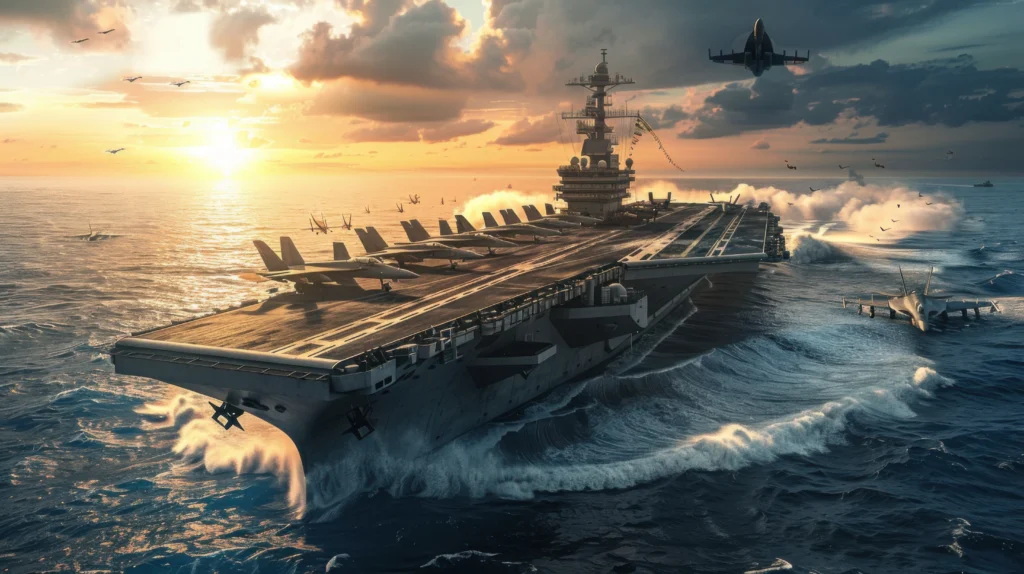
Rising Tensions in the Middle East
The claim and counterclaim come at a time when tensions in the Middle East are already high. Military operations, political disputes, and shifting alliances have created an environment where even a single incident can quickly escalate into a larger crisis.
Over the past months, the region has seen increased military activity involving multiple countries. Naval deployments, missile tests, and security alerts have all contributed to a climate of uncertainty. As a result, the announcement about the alleged strike on the USS Abraham Lincoln added another layer of concern.
Experts warn that the risk of escalation often increases when communication between rival nations becomes limited or strained. Misinterpretations or exaggerated claims can create pressure for retaliation or defensive measures, even when no direct damage has occurred.
In addition, the global importance of the Middle East—particularly in terms of energy supply routes and international shipping lanes—means that any conflict there can have worldwide consequences. Markets, governments, and international organizations all watch developments closely because instability in the region can quickly affect global politics and economics.
The latest claims from Iran and the response from the United States therefore represent more than just a military dispute. They reflect a broader struggle for influence, security, and regional power.
What Could Happen Next
As the situation continues to unfold, many analysts are focusing on what the next steps might be for both sides. In geopolitical crises like this, outcomes often depend on diplomatic responses, military readiness, and international pressure.
One possible scenario is a continuation of strategic messaging, where both sides maintain their positions without taking immediate military action. In this case, statements and demonstrations of strength could continue, but without direct confrontation.
Another possibility is increased military presence in the region. When tensions rise, countries often reinforce their naval or air forces as a precaution. Such moves are intended to deter potential attacks but can also contribute to further tension if interpreted as aggressive.
Diplomatic channels may also play an important role. International partners and global organizations frequently step in during crises to encourage dialogue and prevent escalation. If negotiations occur, they could help reduce tensions and restore stability.
At the same time, the information battle surrounding the incident may continue. In today’s digital world, news spreads rapidly, and conflicting narratives can shape public perception around the globe. Governments and media outlets will likely keep analyzing satellite images, official statements, and military reports to determine exactly what happened.
For now, the world is watching closely. Whether this incident becomes a turning point or simply another chapter in ongoing tensions will depend on how both sides choose to move forward in the coming days and weeks.
Table of Contents
Iran’s Guards say they ‘struck’ US aircraft carrier USS Abraham Lincoln | The Times of Israel
The Death of Ali Khamenei: A Turning Point in Iran – trendsfocus