
When you think of Jackie Chan, your mind might instantly picture the daring acrobat leaping across rooftops or that mischievous grin that lights up every scene. You’ve probably laughed at his clumsy charm in Rush Hour or held your breath during one of his jaw-dropping stunts in Police Story.
But if you look beyond the fight scenes and the laughter, there’s something much more enduring—a legacy that can’t be measured in trophies or ticket sales. Jackie Chan’s greatest achievements often happen off-screen, in quiet lessons, selfless acts, and a deep philosophy that he’s spent a lifetime living out.
This isn’t just the story of a movie star. It’s the story of a man who turned pain into purpose and fame into a platform for good—a man whose invisible legacy still reaches you, even if you’ve never met him.
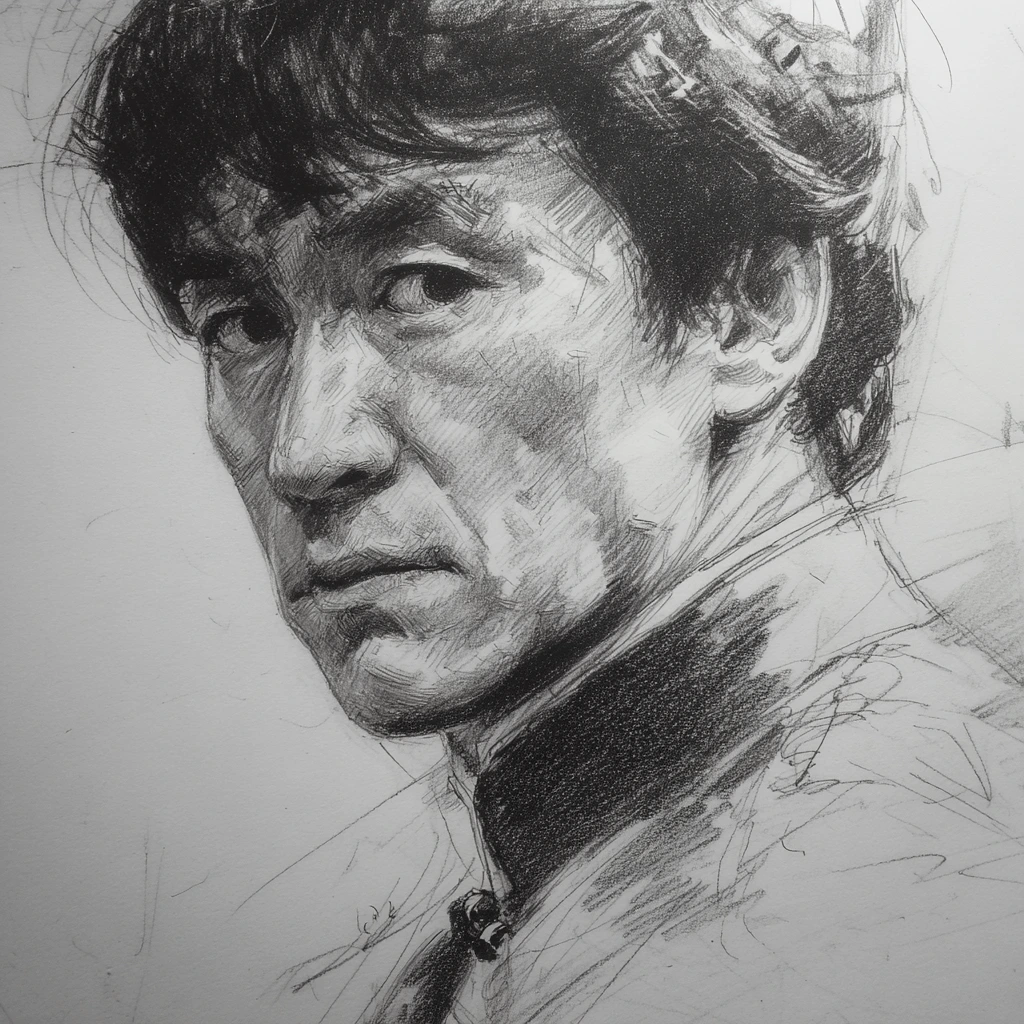
Jackie Chan: From Struggle to Stardom
The Humble Beginning
Imagine being a seven-year-old boy in 1960s Hong Kong, waking up before dawn to train for hours without rest. That was Jackie’s life. Born as Chan Kong-sang (“born in Hong Kong”), he was sent to the China Drama Academy, a strict performing arts school where young students were trained in martial arts, acrobatics, and acting.
You might think of it as an opportunity, but for Jackie, it was grueling. He trained from 5 a.m. to midnight, often punished for mistakes, often hungry. Yet this intense environment built the foundation for his resilience. He later said in interviews, “The things I learned there were not just about performing—they were about life.”
This was where he met Sammo Hung and Yuen Biao, two fellow students who would become lifelong friends and collaborators. Together, they endured pain, failure, and rejection—and built one of the most iconic partnerships in Asian cinema.
The Rise Through Pain
Before Jackie became a superstar, he worked as a stuntman in Bruce Lee’s films Fist of Fury and Enter the Dragon. You can imagine how intimidating that must have been—standing in the shadow of a global legend. But Jackie didn’t try to copy Bruce; he did something bolder—he found his own way.
He once broke his skull filming Armor of God (1986), falling from a tree during a stunt gone wrong. The injury nearly ended his life and left a permanent hole in his skull. Yet months later, he was back on set. Not because he wanted to prove he was invincible, but because he believed in finishing what he started.
That kind of dedication can teach you something: real strength isn’t about not falling—it’s about rising again.
Jackie Chan: Redefining the Art of Action
Comedy Meets Combat
Jackie didn’t just perform stunts—he redefined what action could look like.
His films, from Drunken Master to Project A, transformed martial arts movies by infusing them with humor, vulnerability, and emotion. Instead of a flawless hero, he gave you someone human—who got hurt, who made mistakes, but who always got back up.
He often said, “I’m not Superman. I get hurt, I bleed, but I keep going.”
That simple truth made his movies different from the cold precision of traditional action films. You could see yourself in his struggles.
A Bridge Between East and West
In Rush Hour, Jackie Chan wasn’t just acting alongside Chris Tucker—he was bridging two cultures. While many Asian stars struggled to find acceptance in Hollywood, Jackie broke through by staying authentic.
He refused to play stereotypes or villains, instead bringing his Chinese values of humility and respect to Western audiences. He didn’t change who he was to fit in; he helped Hollywood change around him.
You might not realize it, but Jackie’s success opened doors for other Asian actors like Donnie Yen, Tony Leung, and Michelle Yeoh. His courage didn’t just entertain—it shifted perceptions.
The Philosopher in Motion
Learning Through Failure
If there’s one thing Jackie Chan’s life teaches you, it’s that failure is your best teacher.
Throughout his career, he’s faced rejection, betrayal, and countless injuries. During the 1980s, after a few box-office flops, critics said his career was over. But instead of quitting, Jackie reinvented himself.
He began writing and directing, taking creative control of his own story. That’s how masterpieces like Police Story were born—films that mixed humor, chaos, and heart in a way no one had seen before.
He said in his memoir Never Grow Up, “If I can fall down 100 times and get up 101, I win.”
That’s the spirit that separates Jackie from others—the ability to see every scar as a story, not a setback.
Values that Transcend Fame
When you look closer, Jackie Chan’s life philosophy is deeply rooted in his upbringing:
- Respect: He bows to stuntmen, thanks camera crews, and treats everyone equally on set.
- Loyalty: He’s worked with the same team for decades, ensuring their safety and careers grow alongside his.
- Humility: Despite fame, he often cleans up after shoots himself.
- Compassion: He gives credit to others before taking it himself.
That humility is rare in an industry built on ego. And it’s exactly what makes his influence so powerful—you learn not from what he says, but from how he lives.

Jackie Chan the Mentor and Humanitarian
Building a Family of Fighters
Jackie Chan isn’t just a performer; he’s a teacher. His Jackie Chan Stunt Team, formed in the 1980s, became a training ground for young martial artists and filmmakers.
He mentors them not through lectures, but by example. When shooting Who Am I?, Jackie insisted on performing a stunt that involved sliding down the side of a skyscraper in Rotterdam. Everyone warned him against it. He looked at his team and said, “If I don’t do it, how can I ask you to?” Then he did it—twice.
His leadership philosophy is simple: never ask someone to do what you wouldn’t do yourself. That’s the kind of mentorship that leaves a permanent mark.
Many of his team members went on to become directors, coordinators, and international stunt trainers. They carry his discipline and creativity into new generations of cinema.
Jackie Chan’s Charity Work
You might know Jackie as a film star, but few realize how much he’s given away. Through the Jackie Chan Charitable Foundation (founded in 1988) and the Dragon’s Heart Foundation, he’s donated millions to causes that rarely make headlines.
Some of his real-world contributions include:
- Funding schools in rural China, giving underprivileged children access to education.
- Donating $1 million to UNICEF and organizing disaster relief for the 2008 Sichuan earthquake.
- Supporting wildlife conservation efforts to protect endangered species.
He once said, “When I was young, I wanted to be famous. Now, I just want to be useful.”
That statement captures his invisible legacy perfectly—success isn’t about what you keep; it’s about what you give back.
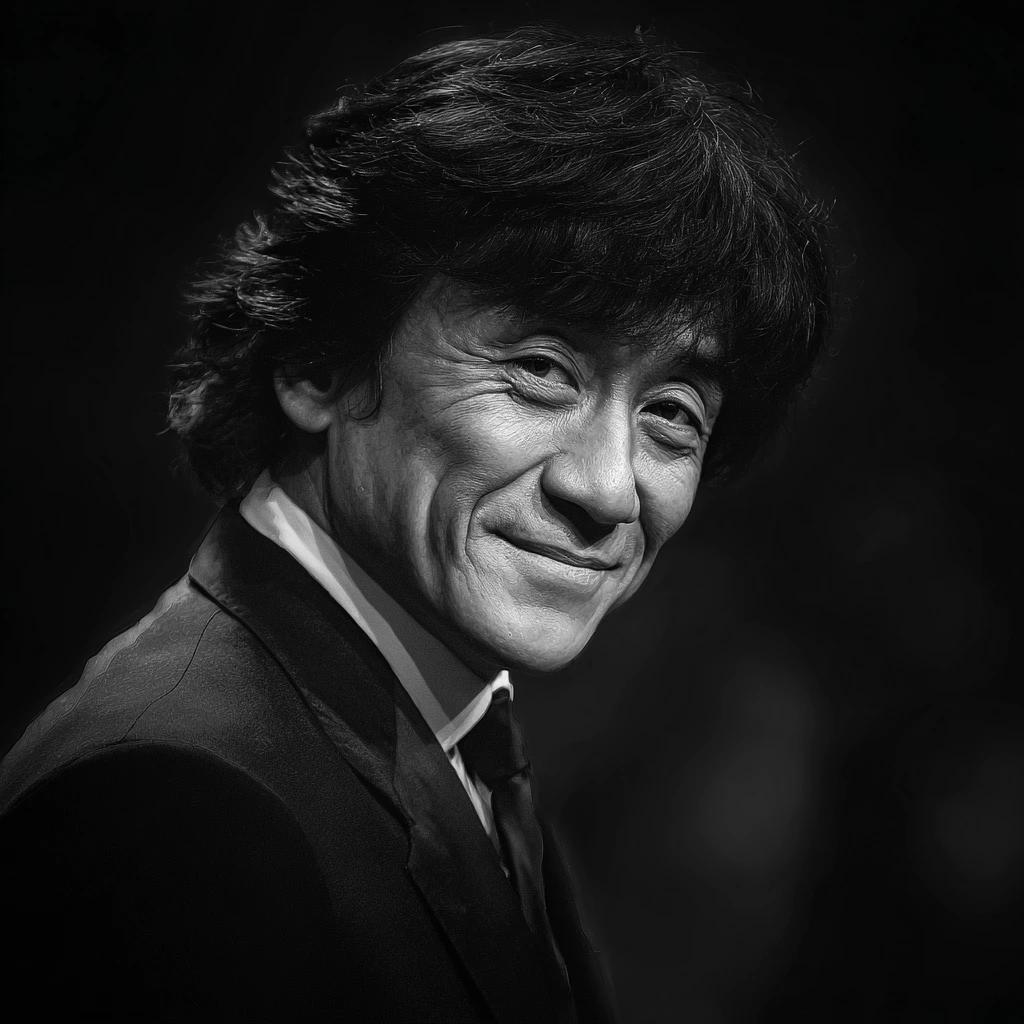
The Invisible Legacy: How Jackie Chan Inspires You
The Global Impact
Jackie’s influence goes far beyond martial arts. His storytelling and philosophy have inspired artists, athletes, and creators around the world.
- In Hollywood: Directors like Edgar Wright (Scott Pilgrim vs. The World) and James Gunn (Guardians of the Galaxy) credit Jackie’s fight choreography as a major influence.
- In Animation: The creators of Kung Fu Panda said Jackie’s persona shaped the balance of humor and discipline in Master Monkey’s character.
- In Gaming: His fight choreography inspired entire genres of video games, including Sleeping Dogs and Sifu.
Even beyond art, his life has become a blueprint for resilience—proving that you can face the world with both strength and kindness.
Why His Legacy Matters to You
Jackie Chan’s invisible legacy isn’t about imitation—it’s about inspiration.
He teaches you to face life’s chaos with humor, to treat failure as fuel, and to use your success to lift others.
You don’t have to be a martial artist to live by his example. You just have to approach your own battles with courage, patience, and a sense of gratitude.
Because like Jackie, you have the power to create your own kind of legacy—one that might be invisible, but deeply felt.
FAQ: Understanding the Wisdom and Legacy of Jackie Chan
You may know Jackie Chan as a stuntman and actor, but his invisible legacy runs much deeper. Here are the most asked questions about his life, philosophy, and impact — answered with real stories and lessons you can use in your own life.
Q1: What makes Jackie Chan’s legacy truly “invisible”?
It’s invisible because it can’t be measured by fame, fortune, or awards. It exists in the people he’s helped, the kindness he’s shown, and the generations he’s inspired to believe that hard work and humility can coexist.
When Jackie’s stunt team suffered injuries, he personally covered their medical bills and even continued paying their salaries during recovery. Those quiet acts of care never make the headlines, but they reveal who he really is.
His invisible legacy isn’t found on a movie poster—it’s etched into the hearts of those he’s lifted up behind the scenes.
Q2: How does Jackie Chan inspire others outside of acting?
Beyond the big screen, Jackie dedicates much of his life to philanthropy and mentorship.
He once auctioned off his own personal belongings—including costumes, watches, and props—to raise millions for children’s charities in China and Africa.
He doesn’t just talk about generosity; he practices it. When the Sichuan earthquake struck in 2008, Jackie was one of the first celebrities on the ground donating time, money, and resources. His team helped build new schools for orphaned children.
His message is clear: If you have more than you need, build longer tables, not taller fences.
Q3: What life lessons can you take from Jackie Chan’s philosophy?
Jackie Chan’s teachings come not from theory, but from a lifetime of trial and perseverance.
Here are lessons you can take with you:
- Resilience Through Pain – After breaking nearly every bone in his body, Jackie reminds you that every scar is a teacher.
- Be Humble in Success – He still thanks every camera operator and stunt double, proving that gratitude is power.
- Laughter is Courage – He uses humor to soften life’s hardest blows.
- Never Stop Learning – Even in his 60s, he trains daily, studying languages, directing, and mentoring.
He’s proof that success isn’t a destination—it’s a lifelong discipline.
Q4: Has Jackie Chan ever failed—and how did he recover?
Yes, and that’s part of his legend.
In the early 1980s, Jackie tried breaking into Hollywood with The Cannonball Run and The Big Brawl. Both flopped. Critics called him a “foreign curiosity,” and American audiences didn’t know how to connect with him.
Instead of giving up, Jackie went back to Hong Kong and doubled down. He produced Police Story, a film so daring that one scene—where he slides down a pole covered in lights—landed him in the hospital. The movie became a defining masterpiece, proving that failure is fuel when you keep your faith in yourself.
Q5: What’s Jackie Chan’s view on mentorship and legacy?
Jackie believes your greatest legacy isn’t what you achieve—it’s who you help along the way.
He once said: “When I leave, I don’t want people to say, ‘He was a great actor.’ I want them to say, ‘He was a good man.’”
That’s why he created the Jackie Chan Stunt Training Center to teach safety, discipline, and teamwork to young performers. He doesn’t just want to be remembered—he wants others to surpass him.
That’s the mark of a true mentor.
Q6: What’s something about Jackie Chan most people don’t know?
Despite being one of the highest-paid actors in Asia, Jackie refuses to leave his fortune to his son. He has publicly stated that he’ll donate most of his wealth to charity. His reasoning?
“If he is capable, he can make his own money. If he is not, he will just waste mine.”
That’s Jackie’s philosophy in one sentence: earn your success, and give your blessings back.
Q7: How does Jackie Chan remain relevant after five decades?
Through reinvention and authenticity. Jackie constantly adapts to new audiences while keeping his values intact.
In films like The Foreigner (2017), he explored darker, more emotional roles that showed his range beyond comedy and action. He’s also embraced social media, using platforms like Weibo and Instagram to connect with fans personally—sharing behind-the-scenes moments and motivational messages.
His secret? Staying curious. He never assumes he’s “arrived.” And that’s something you can apply in your own journey.
Conclusion: Carrying Jackie Chan’s Invisible Legacy
When you look beyond the action scenes, you realize Jackie Chan’s true legacy isn’t in what he’s done—it’s in how he’s done it.
He’s fallen from buildings, shattered bones, faced rejection, and still smiles. Not because it’s easy, but because he believes that laughter, kindness, and discipline are the real armor of life.
Jackie Chan’s invisible legacy is this:
- Live with purpose. Don’t just exist—make every action meaningful.
- Lead by example. Inspire others through what you do, not what you say.
- Stay humble. Success fades, but character endures.
- Give back. The greatest joy comes from lifting others.
When you watch him on screen—bleeding, limping, laughing—you’re not just seeing entertainment. You’re seeing resilience, humility, and the strength of a man who never stopped believing in people.
And maybe that’s why his legacy feels invisible—because it’s not just about him. It’s about you—and how his story becomes a mirror for your own courage, compassion, and persistence.
So next time you stumble or doubt yourself, remember Jackie Chan hanging from a clock tower in Project A—hands slipping, danger closing in, but never giving up.
That’s the kind of hero you can be.
Your Call to Action: Be Part of the Legacy
Jackie Chan once said, “We all start small, but if you keep working, you’ll create something that lasts.”
Now it’s your turn.
- Revisit his films with fresh eyes—look for the life lessons hidden between the punches.
- Share this story with someone who needs a reminder to stay strong.
- Or better yet, take one lesson from Jackie’s philosophy and apply it today: work harder, laugh louder, give more freely.
Because when you do, you become part of the invisible legacy that Jackie Chan built—not with words, but with heart.
Table of Contents
Fortnite x The Simpsons: Welcome to Springfield! – trendsfocus