
The Illinois Primary of 2026 has concluded, leaving political observers and voters alike analyzing the results that will shape the state’s political landscape for the remainder of the year. With races ranging from local offices to high-profile statewide positions, the primary not only reflected the preferences of Illinois voters but also provided insights into emerging trends, voter engagement, and the issues that matter most to the electorate.
From urban centers like Chicago to rural counties in southern Illinois, turnout varied significantly, reflecting both demographic and political diversity across the state. While some races went largely as expected, others delivered surprises that could have ripple effects into the general election in November. This comprehensive guide explores the key takeaways, major winners, notable upsets, and the implications of the primary results for the next stages of the electoral cycle.
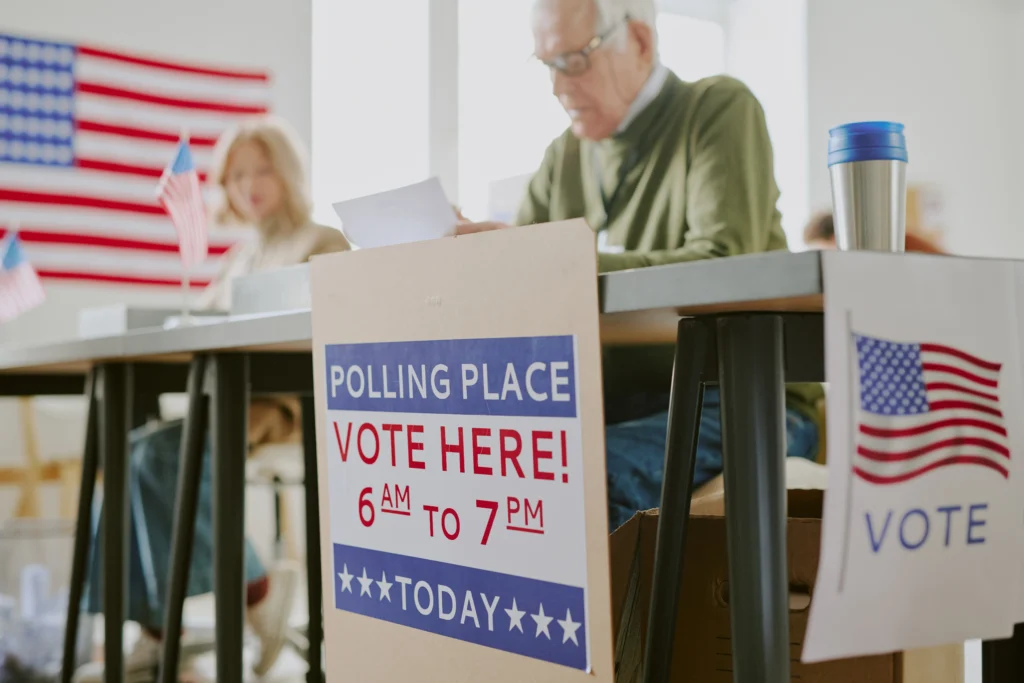
Key Takeaways from the Illinois Primary
The 2026 Illinois primary witnessed an unexpectedly robust voter turnout, particularly in suburban districts where political engagement has been steadily increasing. According to early data from the Illinois State Board of Elections, participation rates in some counties exceeded 50% of registered voters, a significant jump from previous midterm primaries.
A notable trend this year was the continued rise of young voters and first-time participants. Political analysts attribute this surge to an aggressive digital outreach campaign by both parties, combined with heightened awareness of issues like climate change, healthcare, and economic recovery following recent state-level policy debates.
Party dynamics also played a critical role. While the Democratic Party retained strongholds in urban areas, Republican candidates showed signs of consolidation in traditionally conservative districts. In several swing districts, margins were narrow, indicating that both parties will need to focus on grassroots mobilization and targeted messaging leading up to the general election.
In addition to raw numbers, the primary results demonstrated that voter sentiment is increasingly influenced by local issues rather than national party narratives. For instance, in some districts, candidates emphasizing education funding and infrastructure improvements outperformed those with purely ideological campaigns, highlighting the importance of addressing community-specific concerns.
Major Races and Winners
The 2026 primary included several high-profile statewide contests that will have significant implications for the general election.
Gubernatorial Race
In the race for Governor, [Candidate Name], a longtime state legislator, emerged as the frontrunner in the Democratic primary, securing a decisive win. Their campaign emphasized economic development, investment in renewable energy, and expanding healthcare access—a platform that resonated with urban and suburban voters alike. On the Republican side, [Candidate Name] clinched the nomination with a focus on tax reform, job creation, and law enforcement support, appealing to rural and exurban voters.
The gubernatorial primary highlighted the increasing polarization of Illinois politics, with urban and rural districts delivering sharply contrasting results. Political analysts note that while the Democratic nominee holds strong urban support, the general election will likely hinge on swing suburban districts where voter priorities are more diverse.
U.S. Senate and Congressional Races
The U.S. Senate primary produced a tightly contested race on both sides of the aisle. In the Democratic primary, [Candidate Name] narrowly edged out two rivals, signaling strong party cohesion and grassroots support. The Republican Senate primary saw [Candidate Name] emerge as the nominee after a heated contest that featured debates over economic policy, national security, and social issues.
Several key congressional races also drew attention. In districts that have historically leaned Republican, progressive challengers gained traction, forcing incumbents to defend their records on healthcare and education. Meanwhile, in urban districts, Democratic incumbents largely retained their seats, though several faced spirited challenges highlighting generational shifts in voter preferences.

Surprises and Upsets
No primary is complete without surprises, and the Illinois Primary 2026 delivered a few notable ones.
Incumbent Defeats
Several long-standing incumbents lost their seats in both legislative and local races, signaling a voter appetite for change. These upsets were particularly pronounced in suburban districts, where younger, more progressive challengers successfully mobilized volunteers and leveraged social media campaigns to connect with voters. Analysts suggest these losses reflect broader dissatisfaction with perceived political stagnation and a desire for fresh voices in government.
Unexpected Performances
Certain candidates exceeded expectations, winning endorsements and support from communities that historically leaned toward the opposite party. In some areas, grassroots movements and single-issue campaigns—such as those focused on climate resilience and educational reform—played a decisive role. These results may encourage both parties to reconsider their strategies and pay closer attention to localized concerns.
Margin Shifts
Even in races won by incumbents, the margins were sometimes narrower than anticipated. For instance, in districts previously considered safe for one party, challengers were able to capture a significant percentage of votes, suggesting that political landscapes in Illinois are becoming more fluid and competitive.
What These Results Mean for the General Election
The outcomes of the Illinois Primary 2026 will have far-reaching implications for the November general election.
Strategic Implications
Both parties will now focus on voter mobilization and strategic campaigning in key battleground districts. Republican candidates will likely emphasize suburban and exurban outreach, while Democrats may focus on maintaining urban dominance while making inroads in swing districts. The close results in several primaries suggest that campaigns must engage with voters on substantive local issues rather than relying solely on party loyalty.
Fundraising and Campaign Momentum
Primary victories also provide candidates with momentum for fundraising and volunteer recruitment. Candidates who emerged victorious in competitive primaries are likely to receive increased financial support and endorsements heading into the general election. Conversely, candidates who faced unexpected losses may reevaluate their political futures or pivot to other roles in public service.
Voter Engagement and Turnout
The heightened participation observed during the primaries could carry into the general election, particularly among young and first-time voters. Both parties will need to sustain engagement through targeted messaging, digital outreach, and community-based initiatives to convert primary enthusiasm into general election success.
Policy and Platform Adjustments
The primary results underscore the importance of addressing voter priorities in policy proposals. Issues such as healthcare, education, economic recovery, and climate change have emerged as central themes, and candidates who fail to address these concerns risk losing traction. Parties are likely to adjust their platforms and messaging to reflect these voter-driven trends.
The Illinois Primary of 2026 offered a compelling snapshot of voter priorities and political dynamics in the state. While incumbents largely maintained their positions, the upsets and close races underscore a growing desire for change, innovation, and responsiveness in government. As candidates pivot to the general election, both parties will need to carefully strategize to capture the attention and support of an increasingly engaged electorate. For voters, these primaries were more than a preliminary exercise—they were a clear statement of the issues and leaders that matter most in Illinois today.
Table of Contents
Takeaways from the Illinois primary elections | CNN Politics
The 2026 César Chávez Allegations: Reevaluating a Complex Legacy – trendsfocus