
Friendsgiving is a celebration of gratitude, friendship, and, of course, food. It’s a time to gather your closest friends, share a hearty meal, and create lasting memories. Whether this is your first time hosting or you’re a seasoned pro, hosting the perfect Friendsgiving can be a fun and rewarding experience. This guide will take you through each step of hosting a successful Friendsgiving, from setting the right atmosphere to choosing the perfect menu and fun activities.
Let’s dive in and explore how you can host an unforgettable Friendsgiving that everyone will be talking about for years to come.
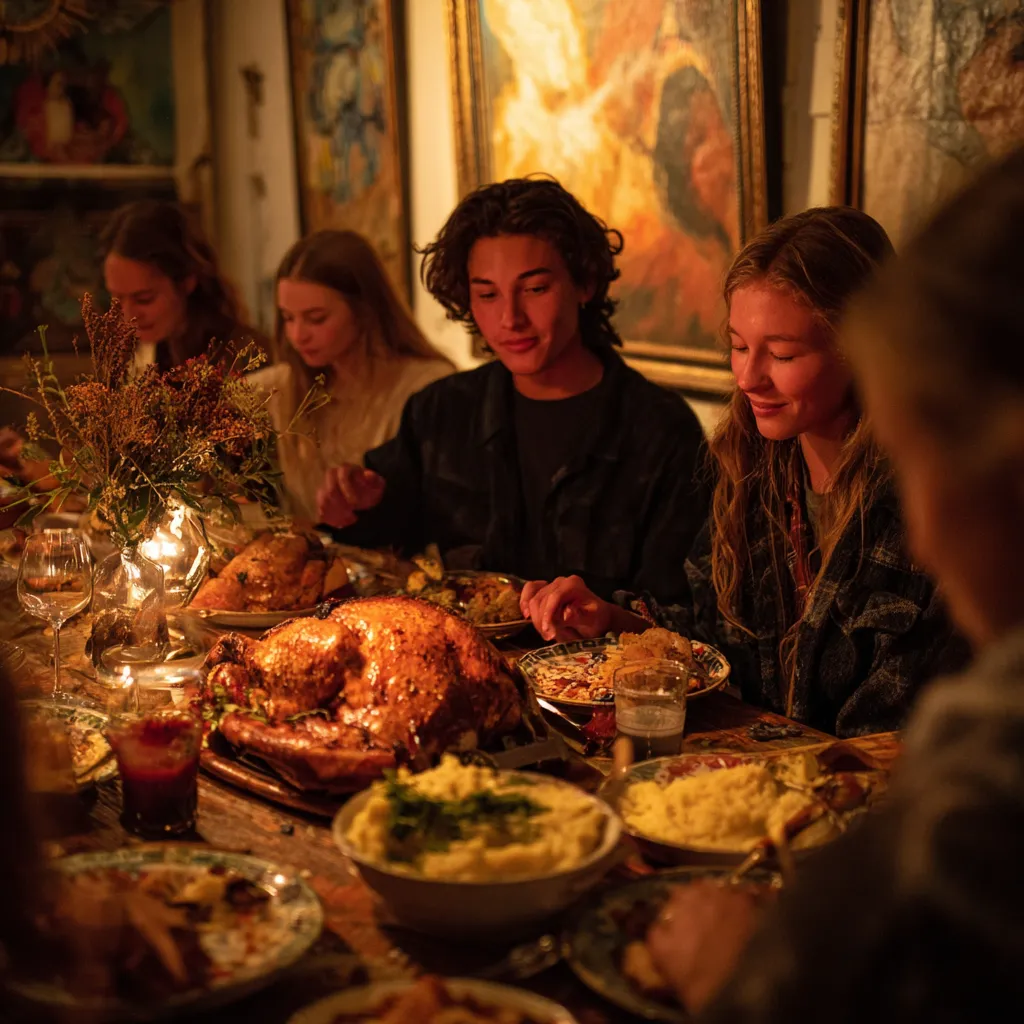
What is Friendsgiving and Why You Should Host One?
Before diving into the specifics, it’s important to understand what makes Friendsgiving so special.
Understanding Friendsgiving
Friendsgiving is a modern twist on Thanksgiving. While the traditional Thanksgiving is all about family gatherings, Friendsgiving shifts the focus to friends. It’s typically celebrated on the weekend before Thanksgiving, but it can be hosted anytime in the fall. Friendsgiving is an opportunity to share a meal, show gratitude, and celebrate the bonds of friendship.
Why Should You Host a Friendsgiving?
Hosting a Friendsgiving allows you to create a new tradition that celebrates your unique friendships. It’s an event where you can express gratitude for the people who bring joy, laughter, and support into your life. Plus, hosting a Friendsgiving gives you the chance to experiment with new recipes, decor, and activities that you wouldn’t normally try at a traditional Thanksgiving dinner.
Here are a few reasons why hosting a Friendsgiving is a great idea:
- Strengthen Bonds: It’s a perfect opportunity to catch up and make memories with your closest friends.
- Make New Traditions: Hosting Friendsgiving can become a tradition that your friends will look forward to every year.
- Creative Freedom: Unlike traditional Thanksgiving, Friendsgiving gives you the flexibility to personalize every detail, from the menu to the theme.
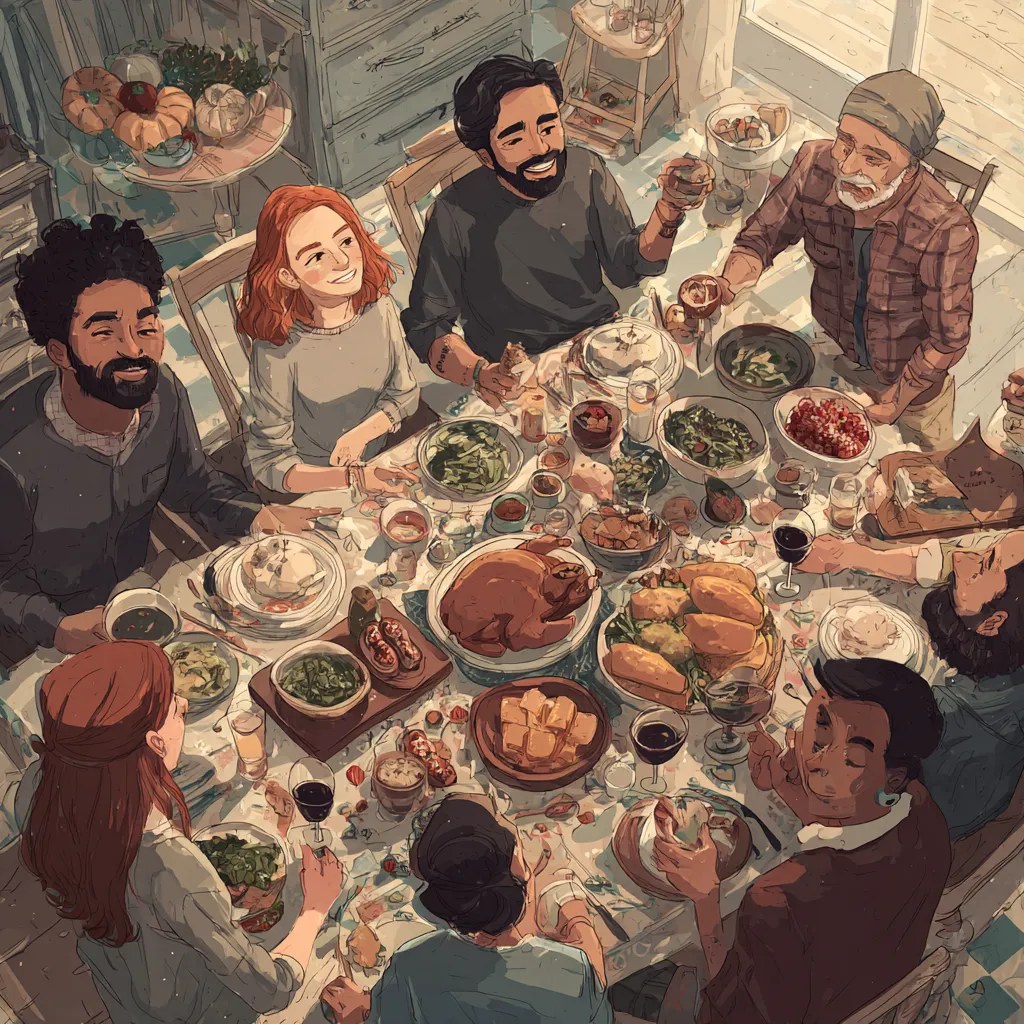
Setting the Scene: How to Create the Perfect Atmosphere for Friendsgiving
The atmosphere sets the tone for your Friendsgiving celebration. Here’s how you can create a warm and inviting environment that will make your guests feel at home.
Decorating for Friendsgiving
Decorations play a huge role in setting the mood for your gathering. Aim for a cozy, festive ambiance that reflects the fall season.
- Theme Ideas: You can go for a classic autumn theme with pumpkins, acorns, and autumn leaves. Alternatively, try a more modern look with sleek tableware and soft lighting.
- Simple Yet Elegant: Use tablecloths, candles, and centerpieces to create a visually appealing setting. Think about incorporating natural elements like pinecones, autumn flowers, and fresh herbs.
- Lighting: Dim lighting adds a cozy feel to the event. String lights or lanterns are a great way to provide soft, flattering lighting that enhances the atmosphere.
Music for the Perfect Vibe
Music can make a big difference in how your guests feel during Friendsgiving. Choose music that suits the atmosphere you want to create. Here are a few suggestions:
- Genres: Soft acoustic or classic fall tunes are perfect for setting a relaxed and comfortable vibe.
- Playlist Ideas: Curate a mix of songs that are not too upbeat, but still fun. If you prefer, you can create a playlist of your favorite songs or even ask your friends for song suggestions in advance.
Planning Your Menu: Delicious Friendsgiving Recipes
The food is the star of any Friendsgiving celebration. Whether you’re going for a traditional spread or putting your own twist on classic dishes, the key is to have a variety of options that everyone will enjoy.
Choosing the Right Menu
Start by deciding what dishes you want to feature. Your menu should include both traditional Thanksgiving fare and some unique dishes to keep things interesting.
- Must-Have Dishes: Some classic dishes you can’t go wrong with include:
- Roasted turkey or chicken
- Mashed potatoes with gravy
- Stuffing or dressing
- Cranberry sauce
- Green beans or Brussels sprouts
- Pumpkin pie
- Unique Additions: While traditional dishes are a must, why not add a few twists to surprise your guests? Here are some ideas:
- Vegan or gluten-free options: Consider offering plant-based dishes like roasted vegetable casseroles, vegan mashed potatoes, or gluten-free stuffing.
- International Dishes: Add some international flair with dishes like Mexican tamales, Italian risotto, or Mediterranean hummus and pita.

Coordinating the Menu with Guests
Friendsgiving is often a potluck-style event, so coordinating your guests’ contributions is key to avoid duplication.
- Potluck Sign-Up: Create a sign-up sheet or use a Google Doc to list the dishes everyone will bring. This ensures a balanced spread and helps you avoid having too many sides or desserts.
- Special Diets: Ask your guests in advance if they have any dietary restrictions (vegetarian, gluten-free, nut allergies, etc.) so that you can plan accordingly.
Make-Ahead Recipes
To minimize stress on the day of the event, choose a few recipes that you can make ahead of time.
- Slow Cooker Dishes: Crockpot mashed potatoes, slow-cooked green beans, or even a turkey breast can save you valuable oven space.
- Desserts: Consider making pies or cakes the day before, so all you need to do is warm them up when guests arrive.
The Logistics of Hosting: Stress-Free Preparation
Hosting a Friendsgiving requires planning and coordination. Here’s how you can manage the logistics to make your day stress-free.
Create a Timeline
To keep things running smoothly, create a timeline for the event. Here’s a simple breakdown:
- Days Before: Plan your menu, purchase your ingredients, and ask your guests to confirm what they’re bringing.
- Day of:
- Early Morning: Set the table, decorate, and prep any make-ahead dishes.
- 3-4 Hours Before: Begin cooking hot dishes like turkey, stuffing, and mashed potatoes.
- 1 Hour Before: Set up a drinks station, heat up the pre-made sides, and do any last-minute touches.
Handling Drinks
Don’t forget to provide an array of beverages to keep your guests refreshed. A drink station is a great way to organize everything.
- Cocktail Ideas: Create a signature Friendsgiving cocktail, such as spiced cider or pumpkin martinis.
- Non-Alcoholic Options: Offer a variety of non-alcoholic options like sparkling water, lemonade, or a cider mocktail.
Seating and Space Management
Whether you’re hosting in a large space or a small apartment, it’s essential to make sure everyone is comfortable.
- Seating Arrangement: Try to arrange the seating so that everyone is included in conversation. A large, round table or an arrangement of smaller tables is ideal.
- Small Space Tips: If you’re short on space, consider buffet-style serving where guests can help themselves, allowing for more flexible seating arrangements.
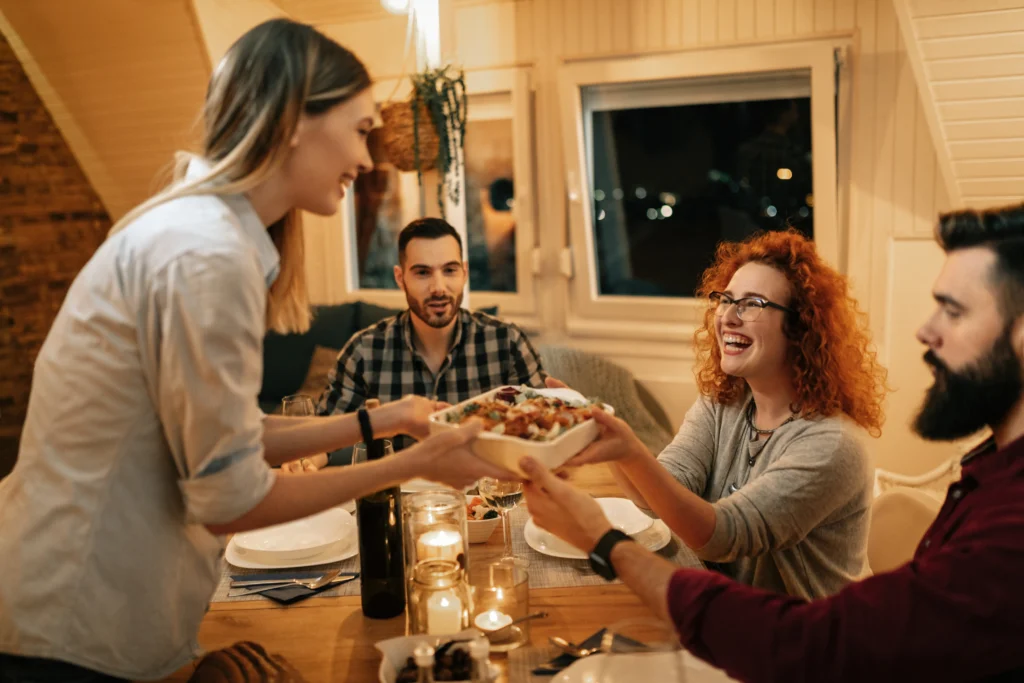
Making It Memorable: Fun Activities for Your Friendsgiving Celebration
Friendsgiving is about more than just food—it’s about creating lasting memories with friends. Here are some fun ideas to make your celebration unforgettable.
Icebreakers and Games
Kick off the evening with a few icebreaker games to get everyone laughing and engaged.
- Thanksgiving Trivia: Prepare a few trivia questions about Thanksgiving history or fun facts about your guests.
- Friendsgiving Bingo: Create bingo cards with common Friendsgiving scenarios (like “someone makes a toast” or “someone talks about their favorite food”).
Creating New Traditions
Every Friendsgiving is a chance to start new traditions. Here are a few ideas:
- Group Photo: At the end of the evening, take a group photo to capture the memories.
- Gratitude Jar: Have each guest write down something they are thankful for and read them aloud during dinner.
- Yearly Recipe Swap: Ask each guest to share a recipe that they’d like to contribute next year.
Navigating the Common Challenges: Friendsgiving Pitfalls to Avoid
Hosting any event comes with its challenges. Here’s how to navigate some common pitfalls that might come your way.
Guest Etiquette
Not everyone will be familiar with Friendsgiving etiquette, so it’s important to guide your guests.
- Food Preferences: Ask your guests if they have any dietary restrictions in advance to ensure there are options for everyone.
- Arriving on Time: Make sure guests know when to arrive so that everything runs smoothly. Consider providing a rough timeline for the evening.
Dealing with Leftovers
One of the best parts of Friendsgiving is the leftovers! However, it’s important to have a plan for storing and distributing them.
- Creative Uses for Leftovers: After the event, encourage guests to take home leftovers, or get creative by making sandwiches, soups, or casseroles with leftover turkey or sides.
Conclusion: Reflecting on the Perfect Friendsgiving Celebration
Friendsgiving is more than just a meal—it’s a celebration of friendship and gratitude. With careful planning, a delicious menu, and a fun atmosphere, you can host the perfect Friendsgiving that will be talked about for years. Remember, it’s not about perfection—it’s about enjoying the time spent with the people you care about.
Call to Action: Ready to host your own Friendsgiving? Start planning now, and make this year’s celebration one to remember!
FAQ Section:
Q1: How early should I start planning for Friendsgiving?
A1: Start planning at least two weeks in advance to give yourself plenty of time to prepare the menu, organize the guest list, and gather supplies.
Q2: Can Friendsgiving be a potluck?
A2: Absolutely! Potluck-style Friendsgiving is a great way to involve everyone and ensure there’s a variety of dishes. Just make sure you coordinate the menu with your guests beforehand.
Q3: What are some fun Friendsgiving games?
A3: Thanksgiving trivia, Friendsgiving Bingo, or a gratitude jar are all great activities that will keep your guests engaged and help create a fun atmosphere.
This comprehensive guide ensures you have all the tools and tips you need to host an unforgettable Friendsgiving. Enjoy the process of planning, and more importantly, enjoy the time spent with friends!