
When Winter Storms Stop Being Just Weather Forecasts
You usually hear about winter storms days in advance. A headline, a warning banner, a quick glance at the forecast. Most of the time, life goes on with minor adjustments. But then there are winters when storms don’t just arrive — they take over. Roads vanish under ice, power lines fail, schools close for days, and simple tasks suddenly feel risky.
This season, winter storms across the United States have crossed that line. They are no longer routine disruptions; they are historic events reshaping how you move, work, stay warm, and stay safe. Knowing what’s happening and how to respond isn’t about curiosity anymore. It’s about protecting yourself, your family, and your home.
This guide explains why these winter storms are different, how they affect daily life, and what you need to do before, during, and after severe winter weather.
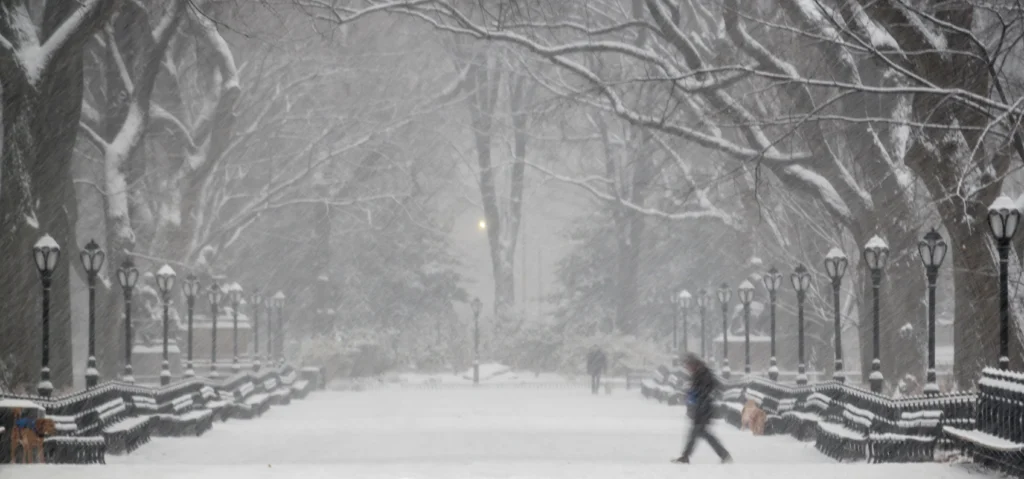
Historic Winter Storms in the U.S.: A National Overview
Winter storms happen every year, but not every year produces storms that rewrite records and strain infrastructure across multiple regions at once.
What Makes These Winter Storms “Historic”?
Historic winter storms stand out because they combine several extreme elements at the same time. Instead of a single challenge, you’re dealing with multiple threats layered together.
These storms are considered historic due to:
- Snowfall totals that exceed long-term regional averages
- Ice accumulation thick enough to collapse power lines and trees
- Wind speeds that create blizzard or near-blizzard conditions
- Cold temperatures that push wind chills into dangerous territory
In many cases, the storms stretch across thousands of miles, affecting states that rarely experience severe winter weather alongside regions that usually handle snow well.
Regions Most Affected by Recent Winter Storms
Recent winter storms have not stayed confined to one corner of the country. Instead, they have spread widely, impacting very different climates at the same time.
Commonly affected areas include:
- Midwest and Great Plains, where blizzards reduce visibility to near zero
- Northeast, facing heavy snow, coastal winds, and icy road conditions
- Southern states, experiencing rare ice storms and freezing rain
- Mountain regions, where heavy snow increases avalanche risk
This wide reach makes response and recovery more complex, especially when emergency resources are stretched across multiple regions.
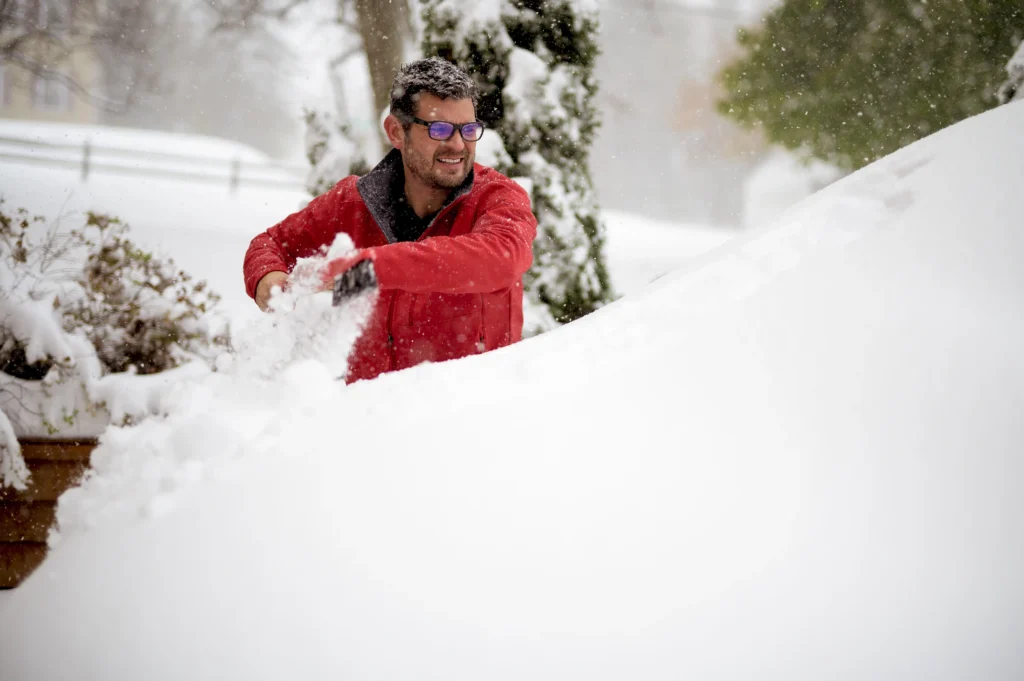
How Winter Storms Impact Daily Life Across the U.S.
When winter storms escalate to historic levels, they don’t just slow life down — they interrupt essential systems.
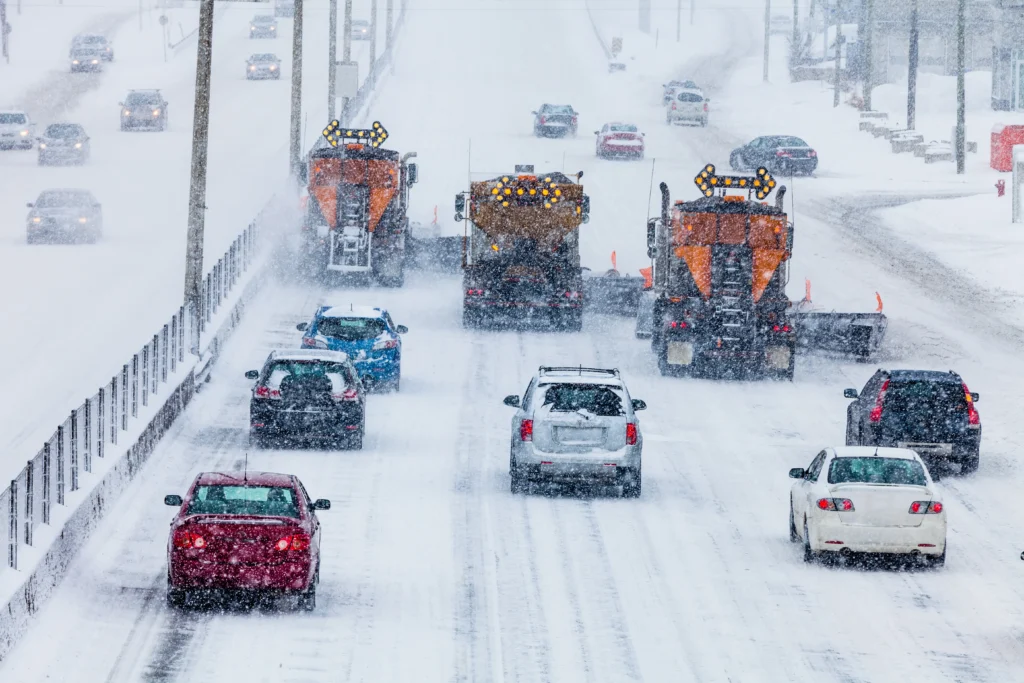
Transportation and Travel Disruptions Caused by Winter Storms
Travel becomes one of the first and most visible casualties of severe winter storms. Even areas used to snow struggle when storms reach extreme levels.
You may experience:
- Highway closures due to snowdrifts or ice
- Multi-day flight cancellations and delays
- Reduced public transportation service
- Increased accident risk from black ice and poor visibility
If you’re planning to travel during winter storms, flexibility isn’t optional. Delays and cancellations are often safer than pushing forward in dangerous conditions.
Power Outages and Infrastructure Strain During Winter Storms
Power systems are especially vulnerable during ice-heavy winter storms. Ice adds weight to lines and trees, while strong winds increase breakage risk.
Common infrastructure challenges include:
- Extended power outages lasting days
- Frozen pipes causing water damage
- Overloaded heating systems
- Slower emergency response times
Losing heat during extreme cold isn’t just inconvenient — it can become dangerous quickly, particularly for children, older adults, and people with medical needs.
What You Need to Know to Stay Safe During Winter Storms
Preparation is the single biggest factor that separates inconvenience from crisis during winter storms.
Essential Winter Storm Safety Tips for You and Your Family
You don’t need to overcomplicate winter storm safety. Clear priorities and simple steps make a real difference.
Focus on these essentials:
- Avoid unnecessary travel once warnings are issued
- Keep at least three days of food and water available
- Charge phones and backup batteries early
- Dress in layers if you must go outside
- Stay informed through official weather alerts
These steps help you stay calm and capable even when conditions worsen unexpectedly.
Home Preparation Before and During Winter Storms
Your home is your first line of defense against winter storms. Small actions taken early can prevent serious damage later.
Before storms arrive, you should:
- Insulate exposed pipes to prevent freezing
- Seal drafts around doors and windows
- Test smoke and carbon monoxide detectors
- Stock safe heating alternatives
If you use a generator, always operate it outdoors and away from windows to avoid carbon monoxide exposure.
Why Winter Storms Are Becoming More Intense and Unpredictable
Many people wonder why winter storms feel stronger and less predictable than they used to. The answer lies in changing climate patterns.
Climate Patterns Behind Severe Winter Storms
Severe winter storms often form when Arctic air interacts with warmer, moisture-rich systems. This contrast fuels heavier snow and ice.
Key factors include:
- Disruptions in the polar vortex allowing cold air to travel south
- Rapid temperature swings that increase ice formation
- Higher atmospheric moisture levels fueling heavier precipitation
These interactions don’t make every winter storm severe, but they increase the likelihood of extreme events.
What This Means for Future Winter Storm Seasons
Looking ahead, winter storms are expected to remain unpredictable rather than simply stronger or weaker.
For you, this means:
- Preparation matters more than past experience
- Regions unused to winter storms must adapt quickly
- Infrastructure upgrades will take time
Winter readiness is no longer a once-a-decade concern. It’s becoming a seasonal expectation.
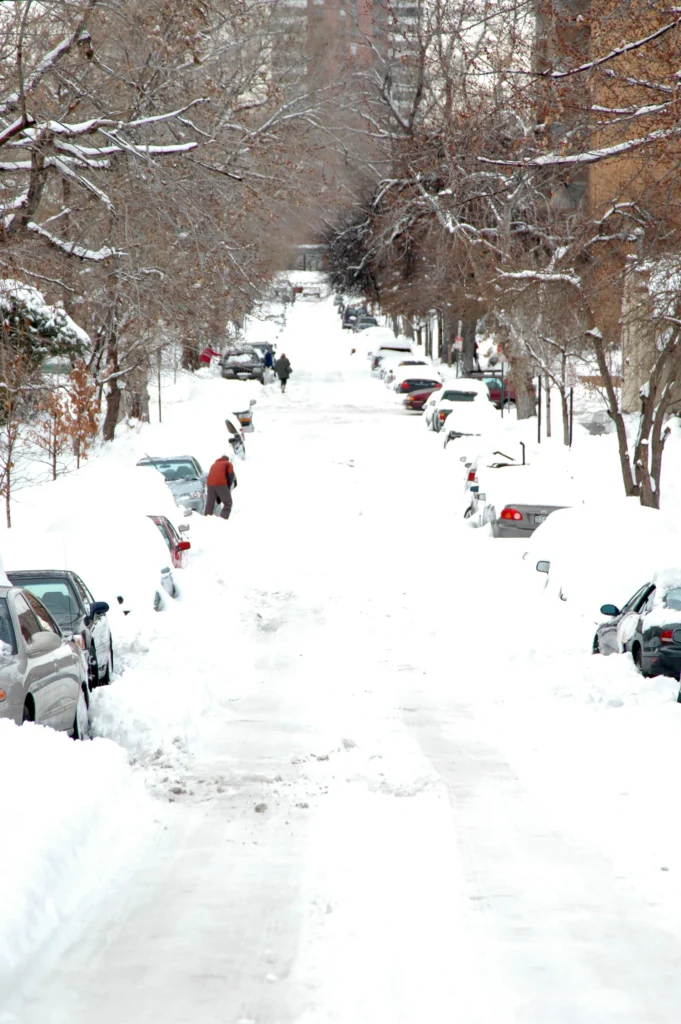
How to Stay Informed During Winter Storms
Accurate information helps you make better decisions during winter storms. Unfortunately, misinformation spreads quickly during emergencies.
Reliable Sources for Winter Storm Updates
When conditions change rapidly, rely on trusted sources rather than rumors or viral posts.
Reliable updates come from:
- National Weather Service alerts
- Local emergency management agencies
- Official government alert systems
- Utility providers for outage information
Checking timestamps is critical. Old warnings can circulate long after conditions change.
Avoiding Misinformation During Severe Winter Storms
Social media can be useful, but it also spreads fear and outdated information.
Protect yourself by:
- Verifying claims through official channels
- Avoiding unconfirmed images or videos
- Ignoring exaggerated or alarmist language
Clear information helps you act calmly and responsibly.
Frequently Asked Questions About Winter Storms
What should you do when winter storms are forecasted?
You should limit travel, prepare emergency supplies, and monitor official weather updates closely.
How dangerous are historic winter storms compared to typical snowstorms?
Historic winter storms combine extreme cold, heavy snow, ice, and wind, increasing risks to power systems, transportation, and personal safety.
How long do winter storm impacts usually last?
Impacts can last from several days to over a week, depending on storm severity and infrastructure damage.
Where can you find real-time winter storm updates?
Official weather services, local emergency agencies, and utility providers offer the most reliable updates.
Conclusion: Staying Prepared When Winter Storms Redefine Normal Life
Historic winter storms remind you how fragile everyday routines can be. A single storm can change travel plans, work schedules, and access to basic services in hours. While you can’t control the weather, you can control how prepared you are.
Staying informed, planning ahead, and responding calmly help you protect what matters most. As winter storms continue to challenge communities across the U.S., readiness becomes a shared responsibility — one that starts with you.
Take Action Now
Don’t wait for the next storm warning to prepare. Review your emergency supplies, check your home’s readiness, and make a clear plan for your household. Share this guide with friends or family who may be at risk, and stay connected to trusted weather updates.
Preparation today can prevent stress tomorrow.
Table of Contents
List of major snow and ice events in the United States – Wikipedia
Arctic Cold Wave: When Will It End? Latest SE US Updates – trendsfocus